
Morning Stretching vs Evening Stretching: When Flexibility Work Pays Off Most
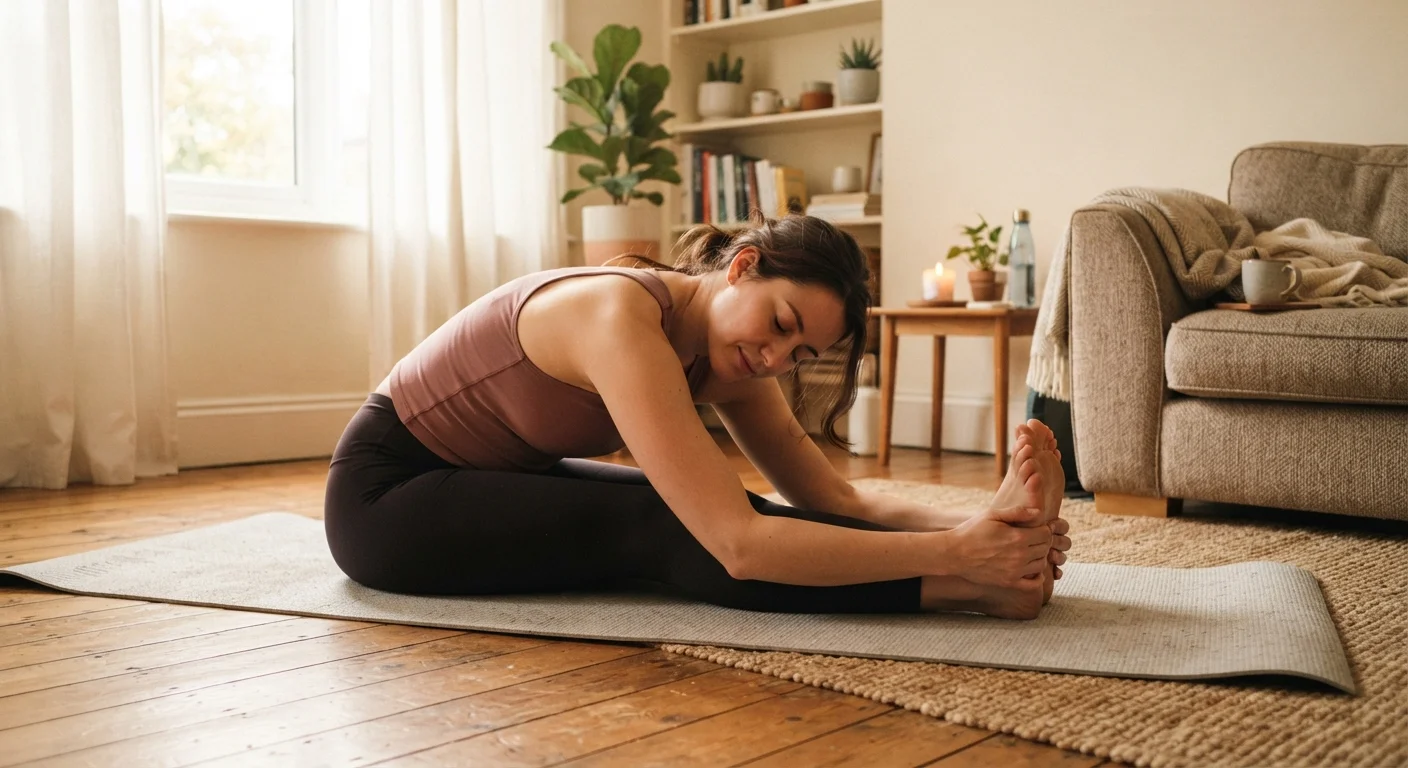
Photo credit: readerspanel.com
In this article
Does it matter when you stretch? Compare the benefits of morning and evening flexibility routines to find what fits your schedule and goals.
Key Takeaways
- Morning stretching can reduce overnight stiffness and help prepare muscles for daily movement.
- Evening stretching may support better sleep by activating the parasympathetic nervous system.
- Body temperature is lower in the morning, so shorter, gentler holds are generally more appropriate.
- Muscles tend to be warmer and more pliable in the evening, which may allow deeper stretching.
- Consistency at any time of day produces more benefit than chasing the "perfect" window.
- People with specific health conditions should consult a healthcare professional before starting a new routine.
What happens to your muscles overnight
While you sleep, your body stays relatively still for hours. Fluid shifts in the spinal discs, muscle temperature drops, and connective tissue loses some of its daytime pliability. Most people notice this as stiffness in the lower back, hips, or shoulders within the first few minutes of getting up.
This is not a sign of damage. It is a normal physiological response to inactivity. The stiffness typically resolves within 20 to 30 minutes of moving around. A short stretching routine can help that process along, though the evidence that it produces lasting flexibility gains is modest compared with what consistent practice over weeks achieves.
Flexibility and mobility are related but distinct concepts, and understanding that difference helps you choose the right type of movement for each time of day.
Morning stretching: what the research suggests
Core body temperature is at its lowest in the early morning, and cooler muscles are less extensible. For this reason, sports medicine guidance generally favors dynamic stretching (controlled movement through a range of motion) over static holds (staying in one position for 20 to 60 seconds) in the morning. Dynamic movements gradually increase blood flow and raise muscle temperature before demanding range of motion.
A 2019 review published in the Journal of Sports Sciences found that dynamic warm-up routines improved subsequent movement performance more than static stretching performed before activity. That does not mean static stretching in the morning is harmful; it means the order and type of stretch matter.
A note on stretching before exercise
If you exercise in the morning, the order of your routine matters. Save static stretching for after your workout, when muscles are warm and cardiovascular demand has passed. Use dynamic movements as your pre-exercise warm-up instead. This applies regardless of what time you train.
For practical purposes, five to ten minutes of gentle leg swings, hip circles, shoulder rolls, and a slow spinal cat-cow sequence is enough to address overnight stiffness without stressing cold tissue. Hold any static stretches briefly (ten to fifteen seconds) rather than pushing into deep holds right after waking.
Evening stretching: what the research suggests
By late afternoon and early evening, core body temperature has peaked and muscles have been used throughout the day. This makes tissue more responsive to longer static holds, which is why many people find they can reach further in an evening yoga class than in a morning one.
The stronger case for evening stretching may be its effect on sleep. A 2020 systematic review in Sleep Medicine Reviews found that mind-body practices, including gentle stretching and yoga performed close to bedtime, were associated with improved sleep quality in adults. Slow stretching activates the parasympathetic nervous system, which governs the body's rest-and-digest state.
| Criterion | Morning stretching | Evening stretching |
|---|---|---|
| Muscle temperature | Lower; tissue less pliable | Higher; tissue more responsive |
| Best stretch type | Dynamic, gentle movement | Static holds, floor-based |
| Primary benefit | Reduces overnight stiffness | Aids recovery and sleep |
| Recommended hold duration | 10 to 15 seconds | 20 to 60 seconds |
| Injury caution | Avoid aggressive static holds | Lower risk with warmed muscles |
| Sleep support | Indirect | Direct (parasympathetic activation) |
Evening routines do not need to be long. Ten minutes of floor-based static stretches targeting the hips, hamstrings, and upper back is enough to feel the effect. Slow, nasal breathing during each hold amplifies the calming response.
Consistency matters more than timing
The honest answer to "which is better" is that neither time of day produces meaningful flexibility gains without regular practice. Flexibility adapts over weeks and months of repeated effort, not from a single optimal session. A person who stretches every morning for three weeks will likely see more progress than someone who stretches perfectly on occasional evenings.
If your schedule allows only one window, use it. If you have five minutes in the morning and ten at night, combining both is reasonable. The body does not require a strict protocol; it responds to accumulated work over time.
For those managing chronic pain, hypermobility, or recovering from injury, the picture is more individual. A physical therapist or physician can give guidance that accounts for your specific situation. General stretching information is not a substitute for that kind of care.
This article is for general informational purposes only and is not a substitute for professional medical advice. If you have a health condition or injury, consult a qualified healthcare professional before starting a new exercise routine.

Author
Health & Wellness Editorial Team
Health & Wellness Editorial Team is the collective byline for our editorial team and contributor network. Articles published under this byline or an editorial pen name are researched, written, and reviewed according to our editorial standards for clarity, consistency, and independence before publication.
View all articles →