
A First-Time Car Owner's Introduction to Keeping a Vehicle Healthy
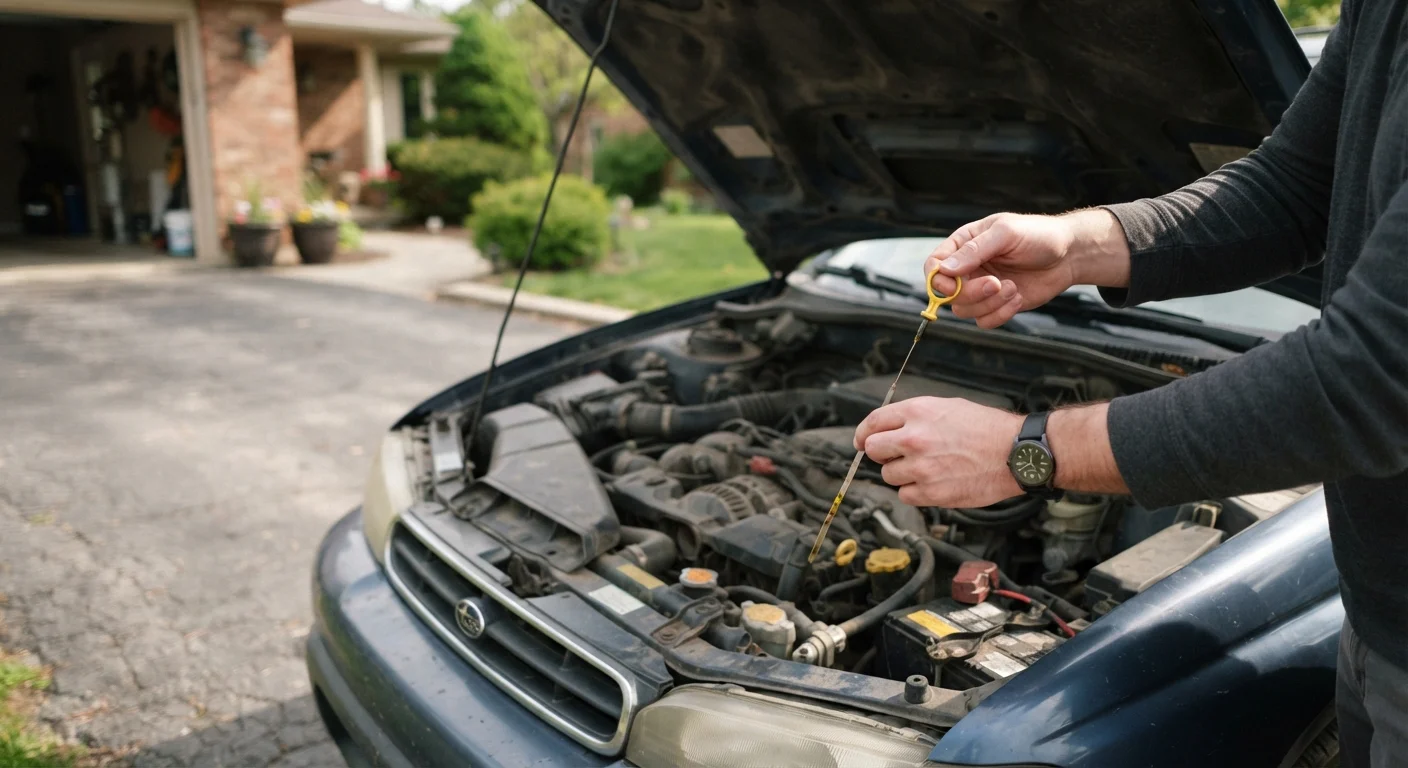
Photo credit: readerspanel.com
In this article
New to owning a car? This beginner-friendly guide covers the core maintenance habits that protect your investment from day one.
Key Takeaways
- Your owner's manual sets the maintenance schedule your car actually needs, not a generic one.
- Checking engine oil, coolant, and tire pressure monthly can prevent most common roadside problems.
- Deferred maintenance compounds: a small neglected issue often becomes a costly repair.
- You do not need mechanical skills to stay on top of the basics; most checks take under five minutes.
- Budgeting for routine upkeep is part of owning a car responsibly.
Why maintenance habits matter from day one
A car is one of the largest purchases most people make, and what happens in the first few months of ownership sets the pattern for the vehicle's long-term condition. Vehicles that receive consistent, timely maintenance tend to last longer, have fewer unexpected breakdowns, and cost less to operate over time. That is not a guarantee of any specific outcome, but the relationship between routine care and reduced repair frequency is well-established in how vehicle engineering works.
Deferred maintenance compounds. Skipping an oil change once is low risk. Making it a habit allows contaminants to build up in the engine oil, which accelerates wear on internal components. The same logic applies to tires, brakes, and fluids: small gaps in attention add up. For first-time owners, the goal is not perfection but consistency.
Understanding the full cost of ownership, including maintenance, helps put this in perspective. See the car ownership costs hub for a broader look at what to budget for.
Your owner's manual is the starting point
Before looking at any generic maintenance schedule, open your owner's manual. Every vehicle has manufacturer-specified intervals for oil changes, tire rotations, spark plug replacement, and fluid flushes. These intervals vary by engine type, oil type, and driving conditions. A turbocharged engine may need more frequent oil changes than a naturally aspirated one. A vehicle driven mostly in stop-and-go city traffic may have different service triggers than the same model driven on highways.
The manual also lists the correct oil viscosity, coolant type, and tire pressure for your specific vehicle. Using the wrong fluid specification can void a warranty or damage components. Reading the maintenance sections of your owner's manual takes less than an hour and pays off for years.
Owner's manual
The booklet from the manufacturer stored in your glove box. It contains your vehicle's specific maintenance schedule, fluid specifications, and tire pressure recommendations.
Tire pressure (PSI)
Pounds per square inch: the unit used to measure how much air is in a tire. Your correct PSI is listed on a sticker inside the driver's door jamb, not on the tire sidewall.
Coolant
A liquid that circulates through the engine and radiator to regulate temperature. Also called antifreeze. Low coolant can cause an engine to overheat.
Air filter (engine)
A replaceable filter that keeps dust and debris out of the engine. A clogged filter reduces fuel efficiency and engine performance over time.
Brake pads
Friction material that presses against the brake rotor to slow the vehicle. They wear down gradually and need replacement before they wear through to the metal backing.
The fluids you need to know
Five fluids require periodic attention in most passenger vehicles.
- Engine oil lubricates moving parts and carries heat away from the engine. Check it monthly with the dipstick: the level should fall between the minimum and maximum marks, and the oil should not look black and gritty.
- Coolant (antifreeze) keeps the engine from overheating. Check the reservoir level when the engine is cold, never when it is hot, since the system is pressurized.
- Brake fluid transfers force from your pedal to the brakes. It absorbs moisture over time, which lowers its boiling point. Most manufacturers recommend a flush every two years or per the interval in your manual.
- Power steering fluid (on vehicles without electric power steering) should be checked if the steering feels stiff or makes noise.
- Windshield washer fluid has no mechanical consequence if low, but running out in winter or on a dirty highway is a visibility hazard.
Transmission fluid is also worth checking, though the interval is typically longer. Your manual specifies whether it is a check-and-top-off fluid or a sealed-for-life system.
Set a calendar reminder for monthly checks
Picking a consistent date, such as the first Sunday of each month, to spend five minutes checking tire pressure and fluid levels turns an easy-to-forget task into a habit. A quick visual walk around the car at the same time can also catch a low tire or fluid leak before it becomes a problem on the road.
Tires, brakes, and filters
Tires affect safety, fuel economy, and handling. Check pressure monthly using a gauge; the correct PSI is on the sticker inside the driver's door jamb. Inspect tread depth periodically using the penny test: insert a penny into the tread groove with Lincoln's head facing down. If you can see the top of the head, the tread is worn and the tire should be replaced. Rotate tires every 5,000 to 7,500 miles, or per your manual, to even out wear across all four.
Brake inspection is not a DIY task for most beginners, but you can watch for warning signs: squealing or grinding when stopping, a vibrating pedal, or the vehicle pulling to one side under braking. A mechanic can measure pad thickness during any routine service visit.
Engine air filters are straightforward to inspect and replace on most vehicles. A clogged filter reduces engine efficiency. Cabin air filters clean the air coming through your vents; a dirty one can affect HVAC performance and air quality inside the car. Both are typically found in your maintenance schedule.
Do not ignore warning lights
Dashboard warning lights are not suggestions. A check engine light, oil pressure warning, or temperature gauge in the red zone signals that something needs attention now. Continuing to drive without investigation can turn a minor issue into major engine damage. Have the vehicle diagnosed by a qualified mechanic promptly.
Building a simple maintenance routine
A practical approach is to organize checks by frequency. Monthly, spend a few minutes on tire pressure and a visual fluid level check. Every oil change interval (per your manual), have the technician inspect brakes, belts, and hoses as part of the visit. Once a year, review your full maintenance schedule against what has been done and what is coming due.
Keep a simple log: a notes app or a paper sheet in the glove box with dates and mileages for each service. This record matters for warranty purposes and helps a mechanic understand your vehicle's history. It also makes the between-visit habit of quick checks more meaningful because you have a baseline to compare against.
Owning a car well is similar to other areas of personal responsibility. The same discipline that builds financial stability, as outlined in the starter's roadmap to personal saving, applies here: small, consistent actions taken early produce better long-term outcomes than reactive fixes after something breaks.
This article is for general informational purposes only. Always follow your vehicle manufacturer's recommendations and consult a qualified mechanic for diagnosis, repair, or any maintenance task you are not confident performing safely.
Frequently Asked Questions

Author
Automotive Life Editorial Team
Automotive Life Editorial Team is the collective byline for our editorial team and contributor network. Articles published under this byline or an editorial pen name are researched, written, and reviewed according to our editorial standards for clarity, consistency, and independence before publication.
View all articles →