
Annual Budget Planning: A Room-by-Room, Category-by-Category Home Expense Checklist
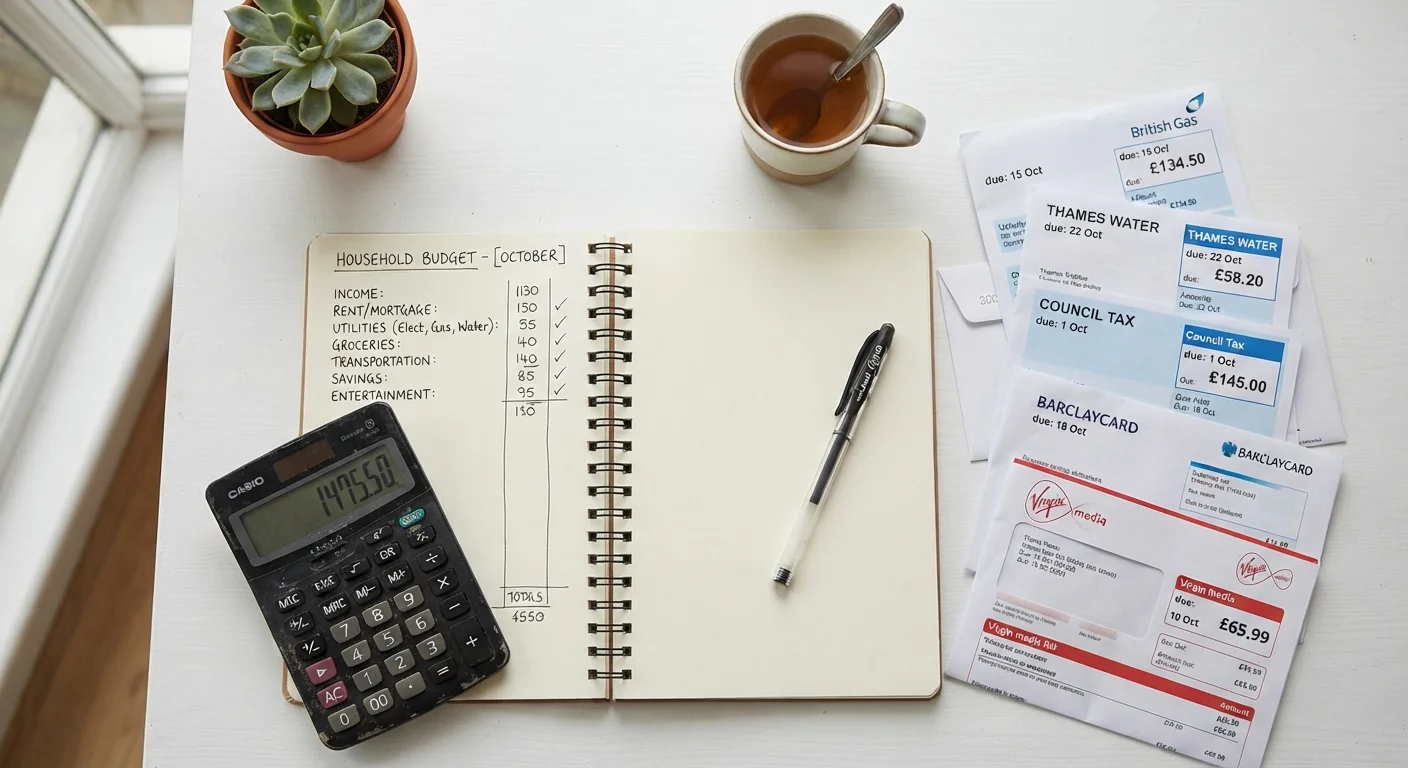
Photo credit: readerspanel.com
In this article
Planning your household budget for the year ahead? Use this category-by-category checklist to make sure no predictable expense catches you off guard.
Why a checklist beats memory alone
Most households already know their rent or mortgage, their phone bill, and their car payment. Those costs show up monthly and are hard to forget. The expenses that break budgets are the ones that arrive once a year, or once every few years, with no monthly reminder: property tax installments, annual insurance premiums, registration fees, appliance repairs, or school supplies.
This checklist is organized two ways at once: by category (so you can work through one spending area at a time) and by location in the home (so physical rooms prompt costs that abstract categories tend to skip). Work through it in one sitting or across a few sessions. The goal is a written number next to every predictable expense before the year begins.
For broader context on how to structure the plan itself, the budgeting basics hub covers tracking and allocation methods. If you want to compare how to divide those numbers once you have them, percentage-based vs. dollar-amount budgeting walks through both approaches.
Annual bills are the most common budget gap
Expenses billed annually or semi-annually are the most frequent reason a monthly budget appears to balance but still runs short. Property taxes, insurance renewals, vehicle registration, and annual memberships each arrive as a single large charge. Write down the due month for every annual bill you find on this checklist so you can see which months carry the heaviest load.
The full checklist
Work through each group below. For every item that applies to your household, write down last year's actual cost (check statements, not memory), then adjust for any known changes. Leave a note next to anything you cannot confirm yet so you can return to it.
Housing and property
Kitchen and appliances
Utilities and home services
Vehicles and transportation
Health and personal care
Children, pets, and dependents
Financial obligations and subscriptions
Savings and irregular expenses
Once every item has a number attached, total each group separately before combining them. Seeing the subtotals by category makes it easier to spot where your annual spending is concentrated. The hidden costs families leave out of their annual budget covers several predictable expenses that often survive even careful checklist reviews.
Turning the list into a working budget
A completed checklist is not yet a budget. The next step is distributing those annual figures across twelve months. Divide each annual total by twelve and treat that monthly fraction as a fixed line item, even if the bill arrives only once a year. This is sometimes called sinking fund budgeting: you set money aside each month so the lump sum is ready when it lands.
Seasonal expenses deserve their own column. Heating costs, holiday spending, and back-to-school purchases all cluster in specific months. The guide to seasonal spending patterns explains how to map those clusters and build them into a monthly plan without distorting your regular numbers.
After your first full year with this checklist, run a spending audit to compare what you planned against what you spent. The spending audit walkthrough shows exactly how to do that and what patterns to look for. For households managing on a single income, single-income household budgeting principles offers specific guidance on prioritizing when the margin is tight.
This article provides general financial information for educational purposes only and is not personalized financial advice. Consult a qualified financial professional for guidance specific to your situation.

Author
Smart Shopping Editorial Team
Smart Shopping Editorial Team is the collective byline for our editorial team and contributor network. Articles published under this byline or an editorial pen name are researched, written, and reviewed according to our editorial standards for clarity, consistency, and independence before publication.
View all articles →