
Seasonal Spending Patterns and Why Your Budget Needs to Account for Them
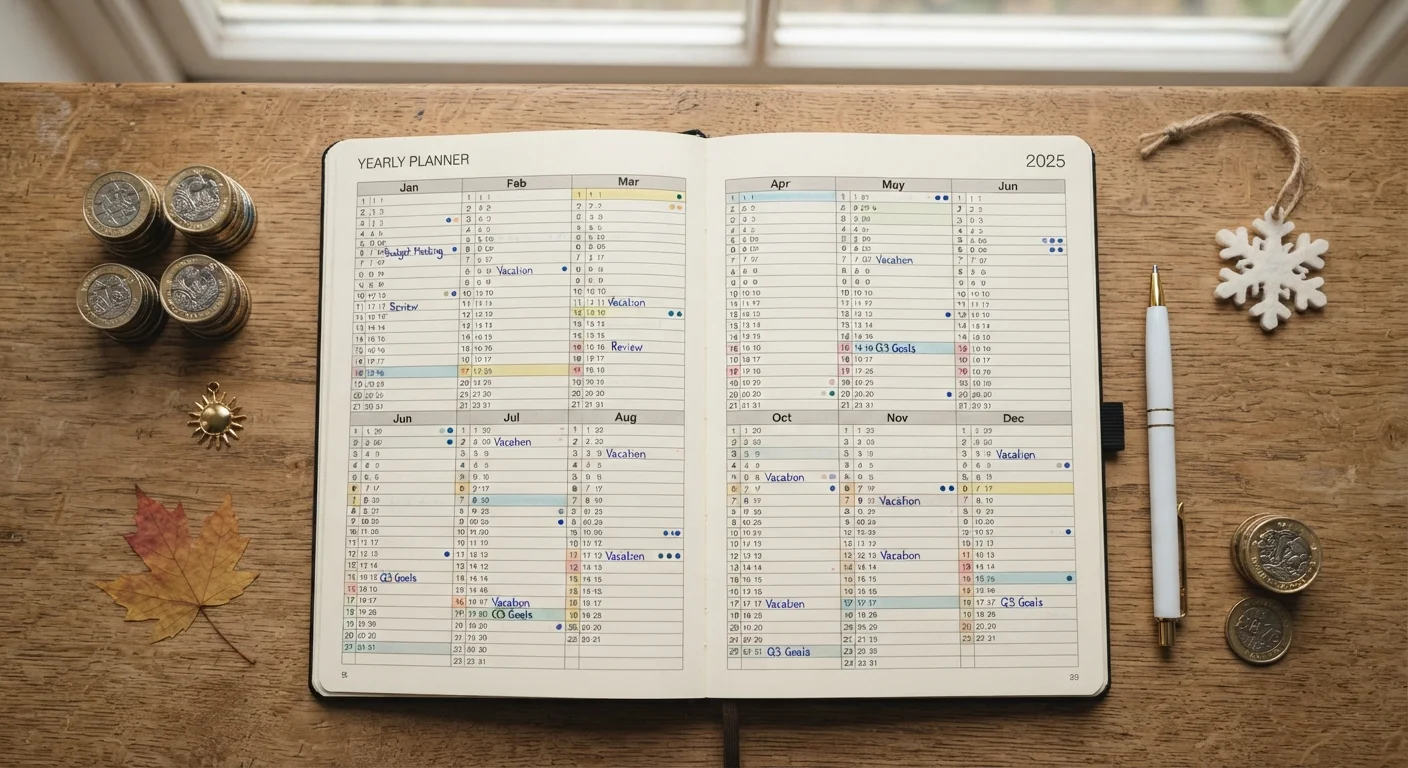
Photo credit: readerspanel.com
In this article
Holiday gifts, back-to-school costs, and summer travel all cluster by season. Here's how to plan your budget around predictable yearly rhythms.
Key Takeaways
- Seasonal costs like holidays, back-to-school, and summer travel are predictable and can be planned for in advance.
- Treating seasonal spending as a monthly savings target smooths out cash-flow spikes across the year.
- Many budget shortfalls trace back to costs that were expected but never formally planned for.
- Reviewing last year's bank and card statements is the fastest way to map your personal seasonal pattern.
- Off-peak timing can stretch a fixed travel or entertainment budget without cutting what you value most.
Why seasonal spending derails otherwise solid budgets
A budget can account accurately for rent, utilities, and groceries and still fall apart in November. The culprit is almost always timing: costs that were never secret, never truly unexpected, but were never formally planned for either. Holiday gifts, school supplies, summer travel, and annual home maintenance follow a rhythm that repeats every year. Yet most monthly budgets treat them as surprises.
The fix is not spending less. It is mapping what you already spend to a twelve-month calendar so the money is ready when the bill arrives. Irregular expenses work the same way: the cost is predictable, only the month it lands changes. Seasonal spending is a subset of that same problem.
Understanding your own seasonal pattern starts with last year's records. Pull three to six months of bank and credit card statements for the highest-spending seasons you recall and total what actually went out. That number, divided by twelve, becomes a monthly savings target you fund in advance.
The four spending seasons and what each one costs
Most American households cycle through four distinct spending periods each year.
Fall and the holiday window (October through December) carries the heaviest load for most families. Gifts, travel to see relatives, holiday meals, decorations, and charitable giving all land within roughly ten weeks. The costs families most often leave unplanned include gift wrap, shipping, and the informal giving that accumulates at workplaces and schools.
Winter and the new year (January through February) brings post-holiday credit card statements alongside annual fees, insurance renewals, and tax preparation costs. These feel like recovery months, but spending obligations remain real.
Spring (March through May) tends to carry home maintenance and yard costs, graduation gifts, and spring break travel. For households with children, spring sports registration and gear purchases show up here.
Summer (June through August) is dominated by travel, childcare gaps when school is out, and increased utility bills. Travel budgets routinely miss meals, local transport, and activity costs that add up faster than the headline airfare figure.
Audit last year's statements before building this year's seasonal budget
Estimates of past spending are consistently lower than actual figures. Real transaction data eliminates guesswork and reveals categories you forgot to include. One review session produces a baseline that makes every future seasonal plan more accurate.
Assign each seasonal expense cluster a dedicated savings line, separate from your regular checking
Money sitting in a general account gets spent on general expenses. A labeled savings bucket creates a clear boundary between day-to-day funds and money already committed to a future seasonal cost.
Set a per-category cap before each spending season begins, not during it
Spending decisions made in the moment, surrounded by seasonal marketing and social pressure, are harder to contain than decisions made weeks earlier in a calm planning session. A pre-set cap acts as a reference point that does not change based on mood.
Review and adjust your seasonal budget each year using actual receipts
Costs shift. A travel budget that was accurate three years ago may no longer reflect current transportation or accommodation pricing. Annual recalibration keeps the plan realistic.
Building a calendar-based savings plan
Once you know which months carry extra weight, the math becomes straightforward. Estimate the total cost for each seasonal cluster, then divide by the number of months between now and when you need the money. That monthly figure goes into a dedicated savings account or a clearly labeled budget line, not the general checking account where it will be absorbed by routine spending.
For households that find lump-sum saving difficult, the timeline approach to savings applies directly: short-term seasonal funds need to stay accessible and stable, not invested in anything that could drop in value right when you need to spend.
A category-by-category annual checklist can help you avoid missing costs that only surface once a year. Home, vehicle, and pet expenses all have seasonal components that tend to go unrecorded in monthly budgets.
Timing purchases within a season
Knowing a cost is coming also gives you flexibility on when within the season you act. Back-to-school shopping done in late August rather than the first week of August rarely changes what a child needs, but it can change what is in stock and at what price point. Holiday shopping spread across October and November distributes cash outflow more evenly than compressing it into the final two weeks of December.
Travel is the clearest case. Summer travel booked months in advance typically costs less than the same trip booked in June. If your budget is fixed, off-peak travel can extend what it covers. Shoulder and off-season travel can deliver similar experiences at lower price points, particularly for domestic destinations where the difference between peak and off-peak demand is sharp.
The same logic applies to home maintenance. Scheduling an HVAC inspection in spring, before peak-season demand for HVAC technicians in midsummer, often means shorter wait times and more scheduling flexibility. The work was always going to be needed; the timing is what you control.
For a broader look at spending habits and how payment method affects follow-through on a plan, see how cash and card habits interact with budget behavior. Awareness of your own patterns, not just the calendar, is what makes a seasonal plan hold.
This article is for general informational and educational purposes only and does not constitute financial advice. For guidance specific to your financial situation, consult a qualified financial professional.

Author
Smart Shopping Editorial Team
Smart Shopping Editorial Team is the collective byline for our editorial team and contributor network. Articles published under this byline or an editorial pen name are researched, written, and reviewed according to our editorial standards for clarity, consistency, and independence before publication.
View all articles →