
Irregular Expenses Are the Quiet Budget Killers
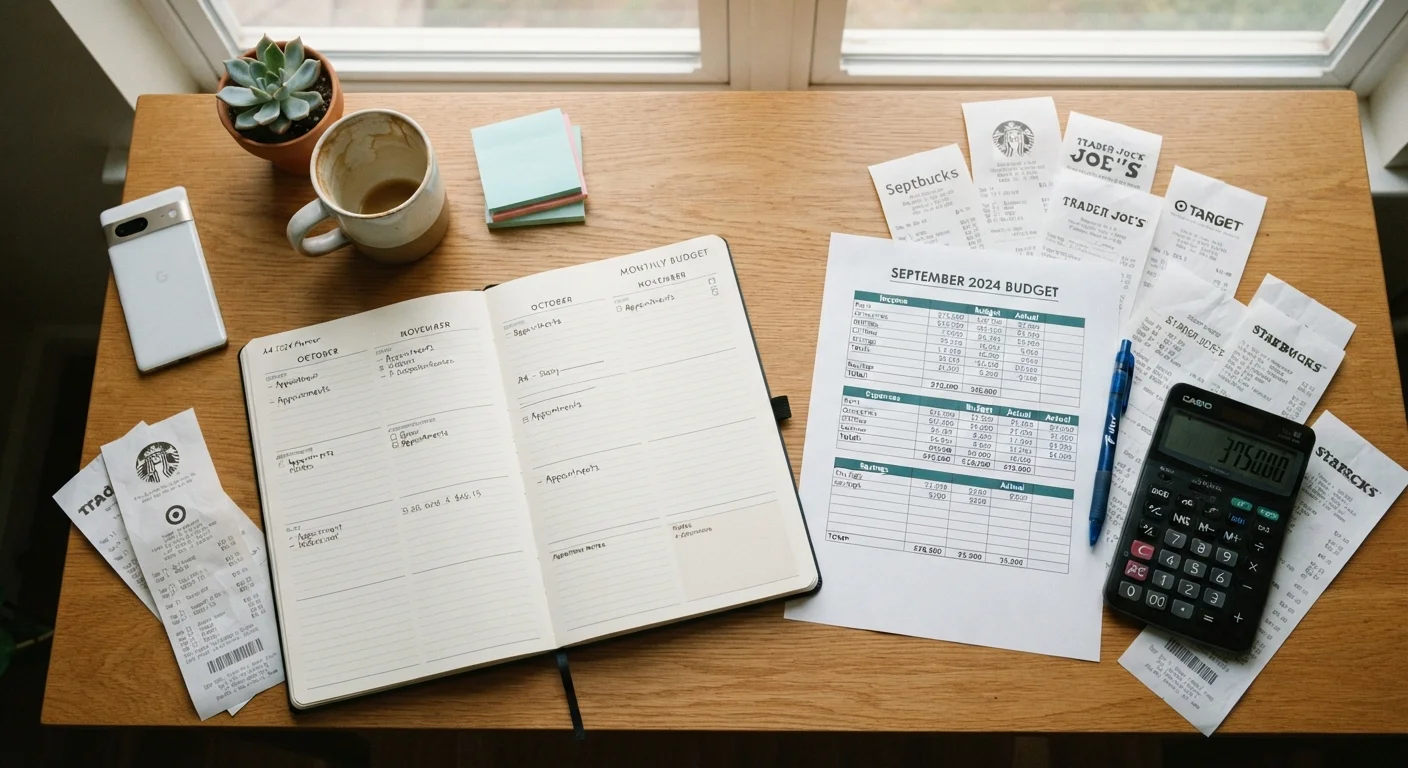
Photo credit: readerspanel.com
Annual fees, car registration, and seasonal costs derail budgets regularly. Here is how to anticipate and plan for expenses that do not show up every month.
Key Takeaways
- Irregular expenses are predictable costs that do not recur monthly, such as car registration, annual insurance premiums, and holiday gifts.
- Most budget shortfalls trace back to expenses that were known but not planned for in advance.
- Dividing annual irregular costs by 12 and setting aside that amount monthly prevents cash flow gaps.
- A dedicated sinking fund, separate from your emergency fund, is the most reliable way to handle these costs.
- Tracking past bank statements for a full year reveals the full scope of irregular spending most people underestimate.
Why irregular expenses break budgets
Monthly budgets work well for rent, utilities, and groceries because those costs show up on a consistent schedule. Irregular expenses follow a different pattern: they are real, they are often predictable, and they arrive infrequently enough that many people treat them as surprises. Car registration, annual subscription renewals, quarterly insurance premiums, back-to-school supplies, holiday gifts, and home maintenance costs all fit this category.
The problem is not that these expenses are unknown. Most people are aware that their car registration comes due each year. The problem is that awareness does not automatically translate into planning. When a $400 bill arrives without a corresponding reserve, the money has to come from somewhere, usually the grocery budget, a credit card, or savings earmarked for something else.
Predictable costs like car registration and holiday gifts derail budgets precisely because they go unplanned. The fix is structural, not motivational.
Budgeting only for monthly recurring costs and ignoring everything else.
Why it happens: Monthly budgeting apps and templates default to monthly categories, so costs that do not appear each month get left out of the planning entirely.
Treating known annual costs as emergencies when they arrive.
Why it happens: Without a dedicated reserve, any large bill feels unexpected, even if the due date was never in doubt. This leads people to pull from emergency savings for costs that were foreseeable.
Underestimating seasonal spending, especially in the fourth quarter.
Why it happens: Holiday costs feel different from regular expenses because they are socially driven and emotionally charged, making it easy to rationalize overspending in the moment.
Forgetting subscription renewals and annual membership fees.
Why it happens: Annual charges are easy to overlook because they only appear once on a statement. Auto-renewal means the charge happens without any active decision.
Skipping home maintenance costs in the annual budget.
Why it happens: Home maintenance spending is irregular and highly variable, so it gets treated as optional until something breaks. That reactive mindset turns routine upkeep into crisis spending.
How to build irregular expenses into your budget
The most practical method is a sinking fund: a dedicated savings category where you deposit a fixed amount each month toward a known future cost. If your car registration costs $240 annually, you set aside $20 per month. If holiday gifts typically run $600, you move $50 per month into that category starting in January.
This approach works because it converts a large irregular outflow into a small predictable one. Your monthly cash flow stays stable, and when the bill arrives, the money is already there.
To build an accurate list of irregular expenses, pull 12 months of bank and credit card statements and flag every charge that does not appear monthly. Group them by category and total each one for the year. That annual figure, divided by 12, becomes your monthly sinking fund contribution. A category-by-category checklist can help make sure nothing gets missed.
Keep sinking funds separate from your emergency fund. An emergency fund covers genuinely unexpected events. A sinking fund covers costs you already know are coming. Mixing them obscures both balances and makes it harder to know whether you are actually prepared.
For car-related irregular costs specifically, building a realistic monthly car budget means accounting for registration, inspection fees, tires, and routine maintenance, not just the loan payment. Most drivers underestimate what they spend on their vehicle each year, and irregular costs are a large part of that gap.
This article is for general informational purposes only and does not constitute personalized financial advice. Consult a qualified financial professional for guidance specific to your situation.

Author
Personal Finance Editorial Team
Personal Finance Editorial Team is the collective byline for our editorial team and contributor network. Articles published under this byline or an editorial pen name are researched, written, and reviewed according to our editorial standards for clarity, consistency, and independence before publication.
View all articles →