
Why Your Annual Car Budget Is Probably Wrong
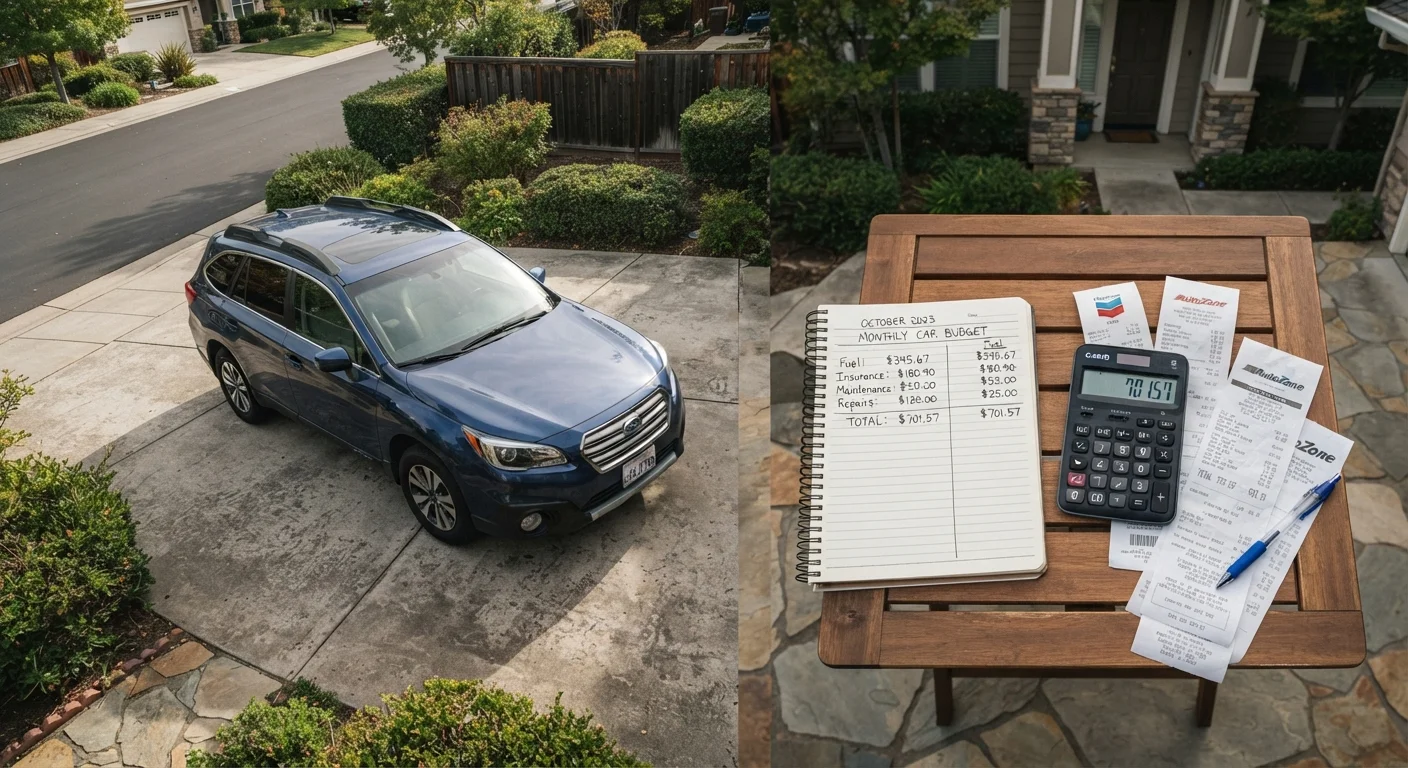
Photo credit: readerspanel.com
Most drivers underestimate what they spend on their vehicle each year. Here are the overlooked expenses that blow car budgets off course.
Key Takeaways
- Most drivers budget only for monthly payments and fuel, missing several major cost categories.
- Insurance premiums can change at each renewal, making last year's figure unreliable for planning.
- Tires, batteries, and brake service are predictable but rarely included in annual car budgets.
- Registration fees and emissions testing vary by state and change over time, catching drivers off guard.
- Depreciation is a real financial loss even when no money leaves your account in a given month.
Why car budgets fall short from the start
Most drivers think of their car costs as two line items: a monthly payment and a gas budget. That mental model leaves out a long list of expenses that are not monthly, not predictable to the dollar, and not optional. The result is a budget that looks fine on paper until a tire blows or the registration renewal arrives.
The full picture of irregular vehicle expenses is rarely captured in a simple monthly budget. Getting it right means accounting for every category, not just the ones that hit your bank account on a schedule.
Budgeting only for the loan payment and ignoring total ownership costs.
Why it happens: The monthly payment is the most visible number when buying a car, so it anchors how drivers think about cost. Everything else gets treated as incidental.
Using last year's insurance premium as this year's budget number.
Why it happens: Insurance feels like a fixed cost because it is billed on a predictable schedule, so drivers stop questioning it after the first year.
Leaving tires, brakes, and battery replacement out of the annual plan.
Why it happens: These are infrequent expenses, so they feel unpredictable. Drivers tend to treat them as emergencies rather than scheduled costs.
Forgetting state registration fees, emissions testing, and inspection costs.
Why it happens: These fees vary widely by state and are paid annually or biennially, so they slip out of a monthly budget mindset. Drivers often remember them only when the notice arrives.
Ignoring depreciation when calculating the true cost of ownership.
Why it happens: Depreciation does not show up as a transaction in your bank account, so it feels abstract. Drivers associate car costs only with money they can see leaving.
The costs drivers most often miss
$12,000+
Average annual cost to own and operate a vehicle
According to AAA's annual 'Your Driving Costs' study, total vehicle ownership costs for the average American driver consistently exceed $12,000 per year when all categories are included.
~50%
Share of ownership cost beyond the loan payment
AAA data shows that for many vehicle types, the loan or lease payment accounts for roughly half of total annual ownership cost; the rest is fuel, insurance, maintenance, tires, and fees.
$1,300+
Average annual maintenance and repair spending
Consumer Expenditure Survey data from the U.S. Bureau of Labor Statistics consistently shows American households spending over $1,300 per year on vehicle maintenance and repairs.
Maintenance intervals, state fees, and insurance adjustments all follow their own calendars. A practical annual cost audit is one of the most straightforward ways to close the gap between what you think you spend and what you actually spend. Drivers who do this review consistently find at least one cost category they had not accounted for at all.
Fuel is another area where estimates drift. How and where you drive shapes your gas bill more than most people expect. The relationship between driving habits and fuel costs is worth understanding before you set a number.
This article is for general informational purposes only and does not constitute financial or legal advice. Consult a qualified financial professional for guidance specific to your situation.

Author
Automotive Life Editorial Team
Automotive Life Editorial Team is the collective byline for our editorial team and contributor network. Articles published under this byline or an editorial pen name are researched, written, and reviewed according to our editorial standards for clarity, consistency, and independence before publication.
View all articles →