
Building a Trustworthy Relationship with Your Veterinarian
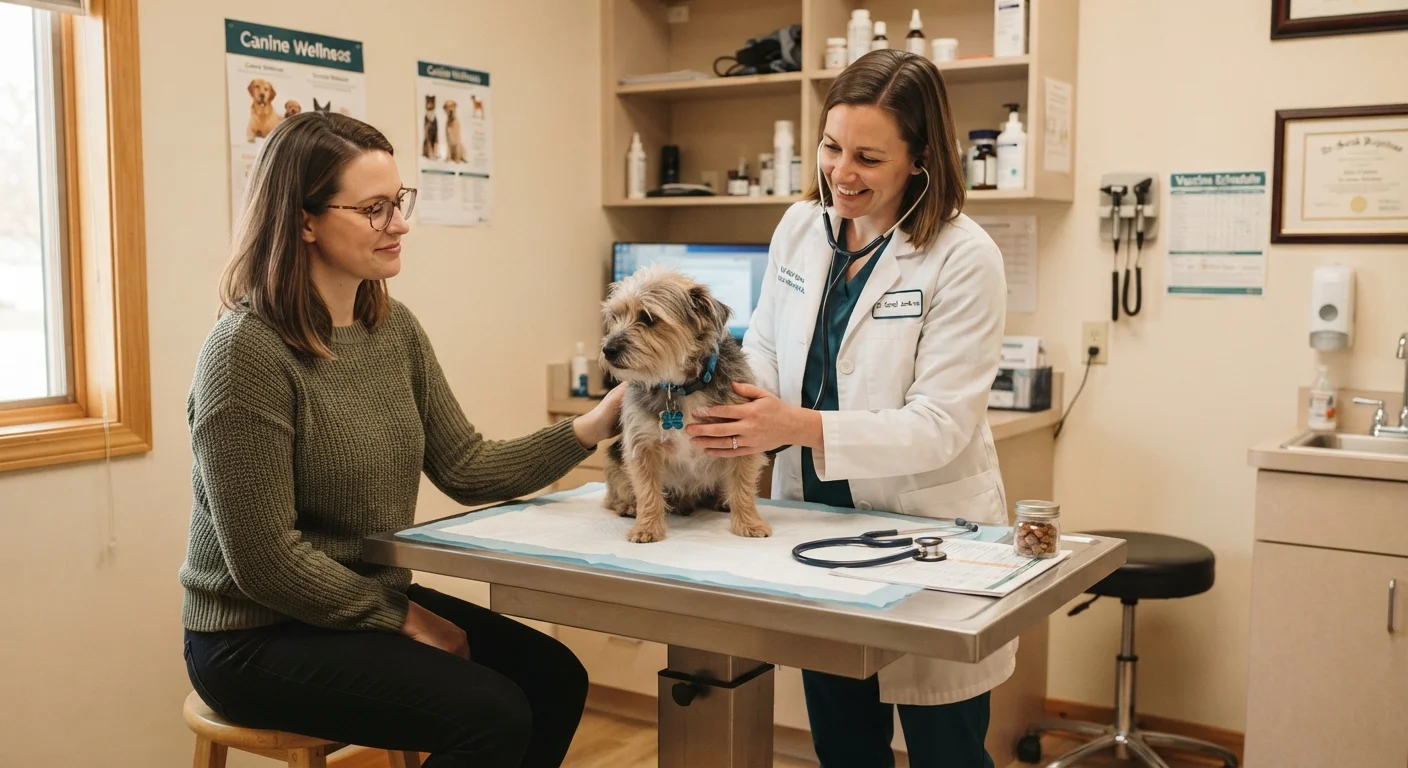
Photo credit: readerspanel.com
In this article
Open communication, consistent visits, and knowing what questions to bring make vet partnerships more effective for your pet's long-term care.
Key Takeaways
- Consistent annual or biannual wellness visits give your vet a reliable health baseline for your pet.
- Bringing a written list of observations to each appointment makes your time with the vet more productive.
- Honest communication about your pet's diet, behavior, and home environment leads to more accurate care.
- Recognizing your pet's stress signals at the clinic helps you advocate for them in real time.
- Building continuity with one practice means your vet spots changes that a series of strangers cannot.
Why the vet relationship matters beyond sick visits
Most pet owners schedule a vet appointment when something is wrong. That reactive pattern, while understandable, limits what a veterinarian can do for your animal. A vet who sees your pet only when there is a problem has no baseline: no weight trend, no behavioral history, no prior bloodwork to compare against. Without that context, early warning signs are harder to catch.
Wellness visits change that. When your vet sees your pet once or twice a year in good health, they accumulate the kind of longitudinal knowledge that makes illness easier to detect and treat. For older pets with changing needs, this continuity matters especially, because gradual shifts in mobility, appetite, or cognition can appear normal to an owner who sees them daily.
The relationship also affects how well your vet can help you. A veterinarian who knows your communication style, your pet's temperament, and your household circumstances can tailor advice to what will actually work for you, rather than offering generic guidance.
Practices that build a stronger vet partnership
The following approaches are grounded in what veterinary professionals commonly report makes owner partnerships more effective. None of them require special equipment or expertise, only intention and consistency.
Schedule wellness visits on a consistent calendar, not only when symptoms appear
Routine exams give your vet a health baseline specific to your individual animal. Trends in weight, organ function, and dental condition become visible only when there is prior data to compare against. Many conditions caught early during wellness exams are less costly and less disruptive to treat.
Stay with one practice long enough to build a medical history
Switching clinics frequently means each veterinarian starts from scratch. A practice that holds years of records, vaccination history, and behavioral notes can make connections between past and present findings that a new provider cannot. Body condition scoring and weight trends, for example, are only meaningful over time.
Communicate honestly about home environment and daily habits
Diet, exercise patterns, household stress, and exposure to other animals all affect a pet's health profile. Partial information leads to incomplete assessments. Veterinarians are trained to work with what is realistic for each household, so candor about challenges produces more practical recommendations.
Ask clarifying questions until you understand the care plan
Instructions that are unclear at the clinic often get applied inconsistently or not at all at home. Asking a vet to explain dosing timing, warning signs to watch for, or the reason behind a recommended test improves follow-through and helps you detect problems between visits.
Prepare written observations before each appointment
Exam room time is limited. Owners who arrive with specific, dated notes about behavioral or physical changes allow the vet to use that time on assessment rather than memory retrieval. Precision matters: 'she has been drinking more water for about three weeks' is more useful than 'she seems off lately.'
What to bring and say at each visit
The most common complaint veterinarians have about appointments is that owners remember important details only after leaving. A short written list prepared before the visit solves this. Note any changes in appetite, water intake, energy, stool, or behavior since the last appointment, even changes that seem minor or unrelated to the reason you booked.
Be direct about your pet's diet, including any table scraps, supplements, or treats. Owners sometimes underreport these out of embarrassment, but incomplete dietary information can affect how a vet interprets weight, coat condition, and digestive symptoms. Your vet is not there to judge your choices; they need the full picture to give accurate guidance.
If your pet shows stress in the clinic, learning to read those signals helps you communicate with the vet team in real time. Our guide on reading your pet's body language during a vet visit covers the specific cues that often go unnoticed, so you can flag them before they escalate.
Navigating disagreement and getting second opinions
A good vet relationship does not mean silent agreement. If a recommendation surprises you, ask the vet to walk through the reasoning. Most veterinarians welcome questions because an owner who understands the plan is more likely to follow through with it at home.
If you are uncertain after that conversation, seeking a second opinion is reasonable and ethical. A veterinarian who responds to that request with hostility is signaling something worth noting. Most professionals expect it for complex or expensive decisions and will even assist with transferring records.
For topics where you have read conflicting things, such as spay and neuter timing, ask your vet what the current evidence shows rather than arriving with a fixed position. Our article on common myths about spaying and neutering separates widespread beliefs from what veterinary research actually supports, which can help you frame those conversations more productively.
This article provides general information for educational purposes and is not a substitute for professional veterinary advice. Always consult a licensed veterinarian for guidance specific to your pet's health.

Author
Pets & Animals Editorial Team
Pets & Animals Editorial Team is the collective byline for our editorial team and contributor network. Articles published under this byline or an editorial pen name are researched, written, and reviewed according to our editorial standards for clarity, consistency, and independence before publication.
View all articles →