
Aging Pets at Home: Adapting Daily Life as Your Animal Gets Older
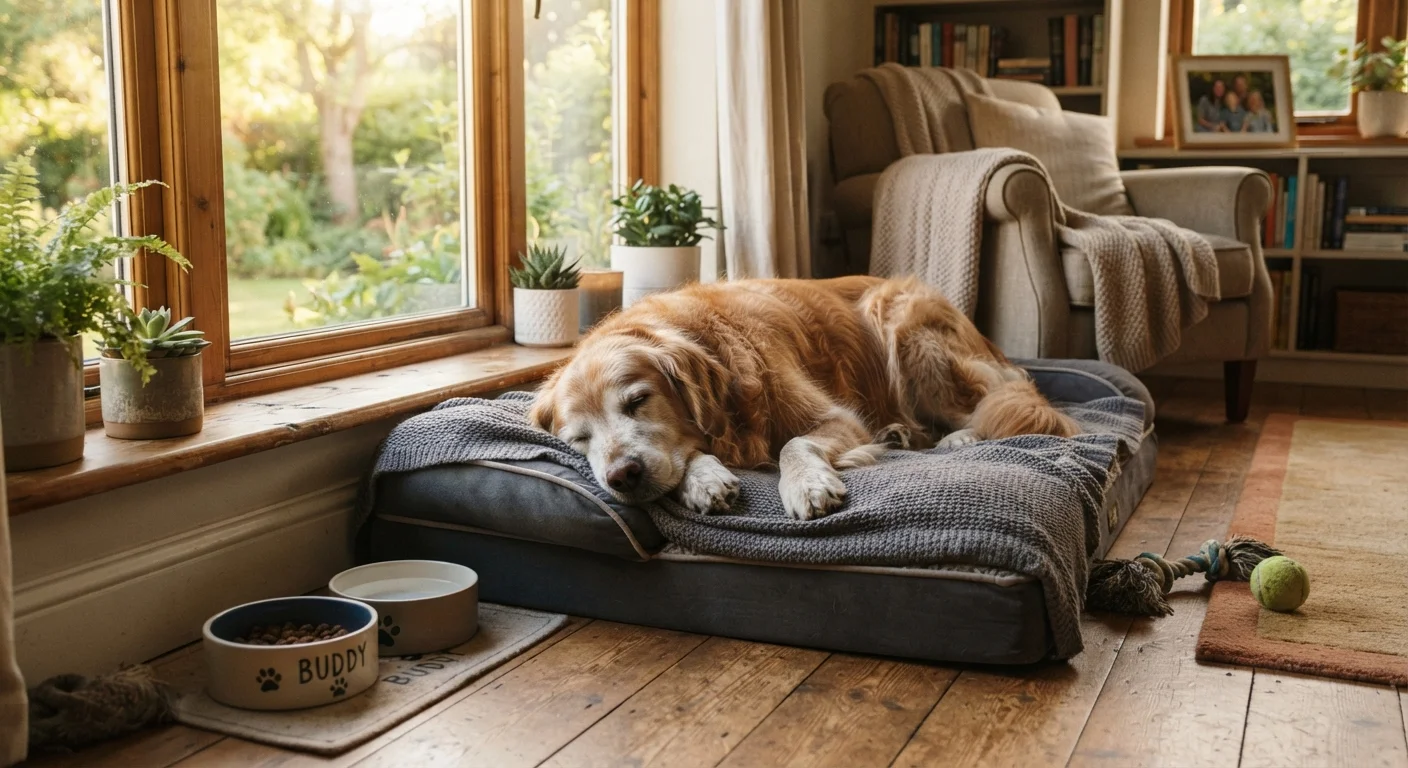
Photo credit: readerspanel.com
In this article
Senior pets have changing needs around mobility, diet, sleep, and stimulation. Learn how to make thoughtful adjustments without overhauling everything.
Key Takeaways
- Senior pets need gradual, targeted adjustments rather than a complete routine overhaul.
- Mobility aids, orthopedic bedding, and ramp access can reduce joint strain measurably.
- Diet should shift to match lower calorie needs and any emerging health conditions.
- Mental engagement remains important even when physical capacity declines.
- Twice-yearly vet visits are generally appropriate for pets in their senior years.
- Reading behavioral changes early helps you catch health problems before they become serious.
How aging changes your pet's body and behavior
Dogs and cats are generally considered senior around age seven, though larger dog breeds enter this stage earlier. Rabbits, guinea pigs, and other small animals age faster still. The physical changes that come with age are gradual, which makes them easy to miss until they accumulate.
Common shifts include reduced muscle mass, stiffer joints, slower digestion, dulled senses, and changes in sleep patterns. Behaviorally, an older pet may seem less interested in play, more easily startled, or slower to respond to familiar cues. These changes are not signs of personality loss. They often reflect physical discomfort or sensory decline that the animal cannot explain.
Understanding what your pet's posture and movement tell you is worth investing in at this stage. A dog that hesitates before jumping onto the couch or a cat that stops using the top tier of a cat tree may be communicating pain, not preference. See our guide on recognizing stress and discomfort signals in pets for a fuller picture of what to watch for.
Mobility support: making movement easier
Slippery floors are one of the most overlooked hazards for older pets. Hardwood and tile give little traction to a dog with weakening hindquarters. Placing washable runner rugs along common routes, especially near food bowls and the pet's sleeping area, reduces the risk of slips and the effort required to stay stable.
Ramps and low-entry steps help pets that still want to access furniture or car seats without the impact of jumping. A ramp with a gentle angle and a non-slip surface is easier on hip and elbow joints than any step alternative. For cats, relocating a litter box to a spot with lower-sided entry removes a daily barrier that can discourage use and cause accidents.
For home layout ideas that support pets with changing mobility, the article on adapting your living space for your pet covers practical adjustments that do not require renovating every room.
Before buying a ramp, test whether your pet will actually use it by placing a treat trail along the surface while it rests flat on the floor. Many animals need a short introduction period before they trust a new incline.
Forcing a hesitant senior pet onto a ramp can create negative associations that make future use harder. A gradual, reward-based introduction is more effective.
If your senior dog resists their new orthopedic bed, place a worn piece of your clothing on it for the first few days. Familiar scent encourages the animal to settle in a new spot more readily.
Scent is a primary comfort signal for dogs, and pairing a new surface with a known smell lowers the novelty threshold that often causes avoidance.
Diet and hydration as your pet ages
Caloric needs generally drop as activity levels fall, but protein requirements may stay high or even increase to support muscle maintenance. Many senior-formulated pet foods are designed around this balance, though the right choice depends on your individual pet's weight, health history, and any conditions your vet has identified.
Hydration becomes more important with age. Kidney function can decline in older cats and dogs, making consistent water intake a priority. A pet water fountain can encourage more frequent drinking. For cats especially, adding moisture through wet food is a practical strategy worth discussing with your vet.
Common feeding errors, including overfeeding senior pets or continuing a high-calorie diet past the point it is appropriate, are covered in the guide on feeding mistakes pet owners often overlook. Adjusting portion size gradually rather than abruptly avoids digestive upset.
Sleep, rest, and managing discomfort
Older pets sleep more and need better sleep surfaces. An orthopedic pet bed with memory foam or a supportive base reduces pressure on joints during the long rest periods a senior animal takes. Place the bed in a warm, low-traffic area with easy access. Cold floors and drafts worsen joint stiffness, so keeping the sleeping spot consistently comfortable matters.
A dedicated, predictable rest space also reduces anxiety. The guidance in creating a designated pet space applies even more strongly for senior animals, who benefit from routine and the security of knowing where their place is.
If your pet shows signs of nighttime restlessness, vocalizing, or disorientation, raise this with your veterinarian. These can indicate pain, cognitive changes, or other manageable conditions. Do not adjust any pain-related treatment without professional guidance.
Mental stimulation and gentle bonding
A pet that moves less still needs mental engagement. Scent-based games, food puzzles at an appropriate difficulty level, and short, calm training sessions give an older animal something to focus on without physical strain. For dogs, a slow sniff walk, where the dog sets the pace and follows its nose, is often more enriching than a brisk structured walk.
Bonding during this life stage often shifts toward calm, physical closeness. Gentle grooming, quiet sitting together, and low-pressure interaction matter as much as active play once did. Pets that were previously independent may seek more contact as they age, and responding to that is one of the simpler ways to support their wellbeing.
For animals that are naturally reserved or need more time to warm up, the activities described in bonding activities for shy or reserved pets translate well to senior care. The pace is similar: slow, consistent, low-pressure. Ongoing socialization also remains relevant, though the format should match your pet's current energy and comfort level.
Working with your vet on a senior care plan
Annual wellness visits are a minimum for adult pets, but twice-yearly exams are generally the standard recommendation for senior animals. At this frequency, a vet can catch gradual changes in bloodwork, weight, dental health, and organ function before they become serious problems.
Bring a written list of behavioral changes you have noticed between visits. Minor shifts in appetite, drinking, mobility, or sleep are worth reporting even if they seem small. These observations are exactly the kind of input that makes veterinary care more effective. The article on building a productive relationship with your veterinarian offers guidance on how to communicate clearly and make the most of each appointment.
A senior care plan may include pain management, dietary adjustments, dental work, or screening for specific conditions. The details depend entirely on the individual animal. Coordinating those decisions with your vet, rather than making them independently, gives your pet the most consistent and appropriate care.
This article is for informational purposes only and is not a substitute for professional veterinary advice. Consult a licensed veterinarian for guidance specific to your pet's health and condition.

Author
Pets & Animals Editorial Team
Pets & Animals Editorial Team is the collective byline for our editorial team and contributor network. Articles published under this byline or an editorial pen name are researched, written, and reviewed according to our editorial standards for clarity, consistency, and independence before publication.
View all articles →