
The Case for a Designated Pet Space in Every Home
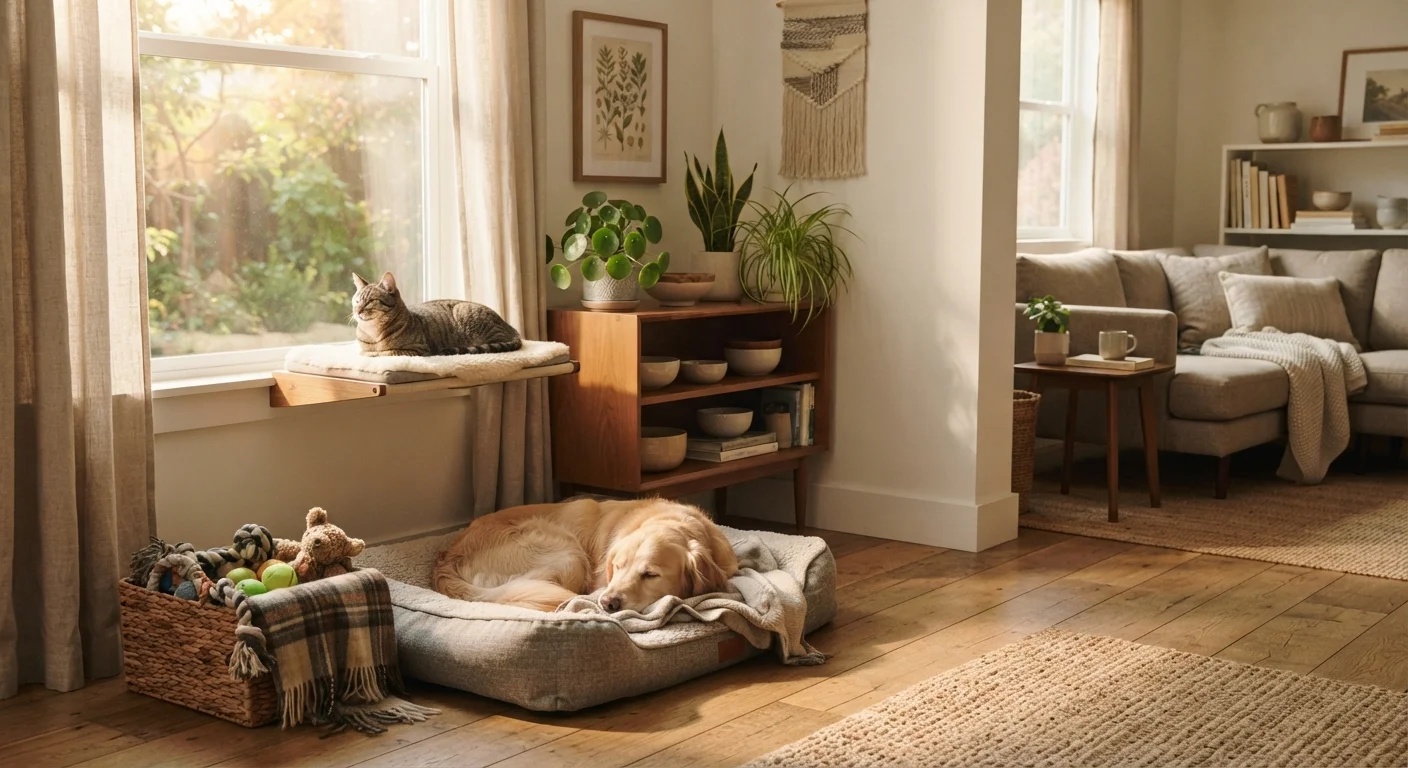
Photo credit: readerspanel.com
In this article
A dedicated corner, crate zone, or perch does more than keep clutter contained. It gives your pet a reliable retreat that supports their well-being.
Key Takeaways
- A designated pet space gives animals a predictable retreat that supports emotional security.
- Setting up a pet zone can reduce destructive behavior and household clutter.
- The arrangement requires some planning and may not suit every floor plan or pet temperament.
- Older pets and anxious animals tend to benefit most from a consistent dedicated area.
- A well-chosen spot balances the pet's need for comfort with the owner's need for a livable home.
Gives the pet a secure, predictable retreat
Animals, especially dogs and cats, are creatures of habit. A consistent space they can return to helps reduce stress, particularly during loud events like thunderstorms or gatherings with guests.
Reduces destructive or anxious behavior
When a pet knows where its safe zone is, it is less likely to roam and chew, scratch, or mark out of frustration. The space signals security rather than confinement.
Keeps pet clutter contained
Toys, beds, food puzzles, and grooming tools naturally accumulate. A dedicated zone gives all of it a home, which makes the rest of the house easier to maintain.
Supports multi-pet households
Separate zones allow each animal to decompress away from the other, which matters most during introductions or moments of inter-pet tension. See the step-by-step introduction guide for how space management fits into a broader strategy.
Helps senior pets manage mobility
Older animals benefit from a space designed around their changing physical needs, such as low-entry beds, non-slip mats, and proximity to water. The guide to adapting daily life for aging pets covers this in more depth.
Requires usable floor space
Apartments and smaller homes may not have a corner or alcove to spare. Forcing a pet zone into an awkward spot can make the space feel cramped for the animal and the people living alongside it.
Some pets resist using a designated area
Highly social animals, particularly certain dog breeds, may experience isolation anxiety if their zone is away from the family's main activity. The space needs to be inviting, not isolating, which takes time and positive association-building.
Upfront cost and setup effort
Choosing the right bed, barrier, perch, or crate and arranging it sensibly takes time and money. What works for one pet may not suit another, so owners sometimes go through trial and error before finding the right configuration.
Requires consistent reinforcement
A pet space only works if the animal is regularly guided back to it and rewarded for using it. Without that consistency, the zone becomes just another piece of furniture the pet ignores.
What a designated pet space actually means
A designated pet space is any area in the home set aside consistently for a pet's rest, play, and retreat. It does not require a separate room. A corner of the living room with a bed and a basket of toys, a window perch for a cat, or a gated alcove near the kitchen all qualify. The defining feature is consistency: the animal can rely on finding its space where it always is, stocked with familiar items and scents.
This differs from simply letting a pet sleep wherever it wants. A designated zone is intentional. The owner decides on the location with the pet's needs in mind and takes steps to make that spot comfortable and appealing. For cats, routine matters enormously, and a dedicated space fits naturally into the kind of predictable environment described in the daily routine guide for cats.
The case for setting one up
Gives the pet a secure, predictable retreat
Animals, especially dogs and cats, are creatures of habit. A consistent space they can return to helps reduce stress, particularly during loud events like thunderstorms or gatherings with guests.
Reduces destructive or anxious behavior
When a pet knows where its safe zone is, it is less likely to roam and chew, scratch, or mark out of frustration. The space signals security rather than confinement.
Keeps pet clutter contained
Toys, beds, food puzzles, and grooming tools naturally accumulate. A dedicated zone gives all of it a home, which makes the rest of the house easier to maintain.
Supports multi-pet households
Separate zones allow each animal to decompress away from the other, which matters most during introductions or moments of inter-pet tension. See the step-by-step introduction guide for how space management fits into a broader strategy.
Helps senior pets manage mobility
Older animals benefit from a space designed around their changing physical needs, such as low-entry beds, non-slip mats, and proximity to water. The guide to adapting daily life for aging pets covers this in more depth.
Beyond the individual benefits listed above, a pet zone simplifies the whole household. When the animal has its own space, the rest of the home stays cleaner and more organized. Visitors who are uncomfortable around pets appreciate the option to keep the animal in its zone. Owners find it easier to manage feeding schedules, locate supplies, and spot behavioral changes when everything centers on one area.
The pet-proofing guide pairs well with this idea: combining a dedicated zone with thoughtful changes to the surrounding space gives both pet and owner more breathing room.
Where the approach falls short
Requires usable floor space
Apartments and smaller homes may not have a corner or alcove to spare. Forcing a pet zone into an awkward spot can make the space feel cramped for the animal and the people living alongside it.
Some pets resist using a designated area
Highly social animals, particularly certain dog breeds, may experience isolation anxiety if their zone is away from the family's main activity. The space needs to be inviting, not isolating, which takes time and positive association-building.
Upfront cost and setup effort
Choosing the right bed, barrier, perch, or crate and arranging it sensibly takes time and money. What works for one pet may not suit another, so owners sometimes go through trial and error before finding the right configuration.
Requires consistent reinforcement
A pet space only works if the animal is regularly guided back to it and rewarded for using it. Without that consistency, the zone becomes just another piece of furniture the pet ignores.
This is not the same as crate training
A designated pet space can include a crate, but it does not have to. For dogs, a crate is one option among several, including gated corners, orthopedic beds, or a sectioned-off room. If you are considering a crate specifically, the crate training guide for new dog owners walks through the process carefully. The goal in either case is a spot the animal associates with calm, not confinement.
Space is often the most honest barrier. In a studio apartment, carving out a corner that does not feel crowded for either the pet or the person takes creativity. Low-profile beds, wall-mounted cat shelves, and collapsible play yards can help, but they are workarounds rather than ideal solutions. Owners should be realistic about whether their floor plan can genuinely support a dedicated zone before committing to the setup.
How to choose the right spot
The best location sits close enough to household activity that the animal does not feel isolated, but far enough from high-traffic areas to allow genuine rest. A corner of the living room or a quiet area of a bedroom works better than a hallway or the middle of a busy kitchen. For small animals like rabbits or guinea pigs, the free-roam versus contained living comparison is worth reading before committing to a fully bounded zone.
Temperature matters too. Avoid spots near exterior doors in cold climates, directly under air vents, or beside south-facing windows that overheat in summer. The space should stay comfortable year-round without requiring constant adjustment.
Once the spot is chosen, introduce the animal to it gradually. Place familiar bedding there, drop treats in the area, and let the pet investigate at its own pace. Forcing the animal into the space early can create a negative association that takes weeks to undo.
This article is for general informational purposes only and is not a substitute for advice from a qualified veterinarian or animal behaviorist regarding your specific pet's needs.

Author
Pets & Animals Editorial Team
Pets & Animals Editorial Team is the collective byline for our editorial team and contributor network. Articles published under this byline or an editorial pen name are researched, written, and reviewed according to our editorial standards for clarity, consistency, and independence before publication.
View all articles →