
Building a Daily Routine Your Cat Will Actually Appreciate
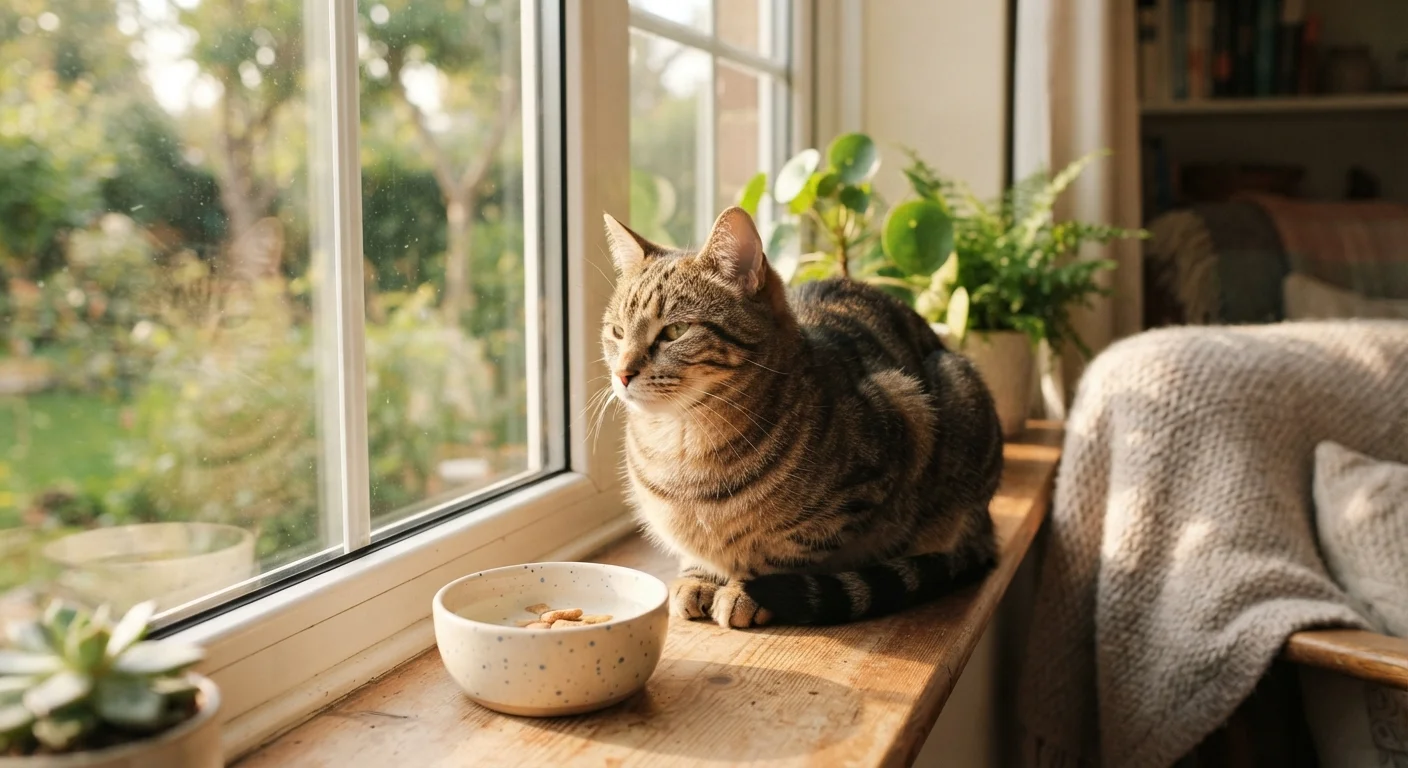
Photo credit: readerspanel.com
In this article
Cats thrive on predictability. Discover how structured feeding, play, and rest windows can reduce anxiety and strengthen your bond.
Key Takeaways
- Cats are crepuscular, meaning they are most active around dawn and dusk, and routines that match this pattern work best.
- Feeding at consistent times each day reduces anxiety-related behaviors like excessive vocalization.
- Short, structured play sessions satisfy hunting instincts and support healthy weight.
- A reliable rest space gives your cat a predictable retreat that lowers stress.
- Gradual routine shifts are easier on cats than abrupt schedule changes.
Why predictability matters to cats
Cats are territorial animals whose sense of safety depends heavily on environmental consistency. Unlike dogs, who adapt quickly to social cues from their owners, cats read the physical and temporal environment for signals that all is well. When feeding times, activity windows, and rest periods happen in roughly the same sequence each day, a cat's baseline stress level drops. Lower stress correlates with fewer problem behaviors, including furniture scratching, aggression, and litter box avoidance.
This is not about rigid scheduling. A window of 20 to 30 minutes on either side of a target time is generally fine for most cats. What matters is the predictable sequence: stimulation, then food, then rest.
Routine benefits you too
A consistent cat care schedule naturally anchors parts of your own day. Many owners find that the morning check-in and evening play session become calming bookends to their schedule, separate from any benefit to the cat.
For owners who find that building a pet routine also brings structure to their own day, the small daily practices for mental wellness article explores how modest repeatable habits support emotional stability over time.
Building the routine step by step
What you will need
Puzzle feeder or food-dispensing toy
Slows eating and adds mental stimulation during meal times.
Wand or feather toy
Used for interactive play sessions that mimic prey movement.
Designated rest spot (cat bed, perch, or blanket)
Gives your cat a consistent, safe place to wind down after activity.
Automatic feeder
Maintains feeding times on days when your schedule shifts.
Observe your cat's natural activity windows
Before imposing a new schedule, watch when your cat is already active. Most cats are crepuscular, meaning they move around most in the early morning and around dusk. Note the times your cat seeks play, food, or social contact over two or three days. Your routine will hold better when it works with these windows rather than against them.
Set fixed meal times and stick to them
Choose two to three feeding times that fall within your cat's active periods and that you can maintain on weekdays and weekends. Cats anticipate meals and will show stress signals, including pacing or loud vocalizing, when feeding times shift unpredictably. If you need guidance on what and how much to feed, the cat nutrition labels decoded article covers how to read pet food labels accurately.
Place food in the same location each time. Consistency in location reduces hesitation and reinforces the routine signal.
Schedule interactive play before evening meals
A play session of 10 to 15 minutes before the last meal of the day taps into the hunt-catch-eat sequence cats follow instinctively. Use a wand or feather toy and move it in short, erratic bursts to mimic prey. End play gradually so your cat winds down rather than stopping abruptly mid-arousal.
This sequence, play then food then grooming then sleep, mirrors what cats do after a hunt and makes the transition to rest much smoother. For cats that are shy or slow to engage, bonding activities for reserved pets offers low-pressure approaches that build confidence over time.
Create a consistent wind-down space
After the evening meal, direct your cat toward a designated rest area. This can be a cat bed, a padded perch, or a quiet corner with a familiar blanket. The location matters less than the consistency. When the same spot is available every night at the same point in the routine, your cat learns to use it as a genuine retreat. The case for a designated pet space article explains how a reliable retreat supports broader well-being beyond just sleep.
Add a brief morning interaction window
Cats are often most socially engaged in the early morning. A five to ten minute petting or low-key play session after their morning meal strengthens your bond without demanding much time. Keep this window calm rather than high-energy, since morning arousal can be hard to dial back before you leave for the day.
This daily contact also gives you a natural checkpoint to notice changes in behavior, coat condition, or appetite that might warrant a vet conversation. See the pet health and care hub for guidance on what to watch for across life stages.
Adjust gradually when the routine must change
Seasonal time changes, travel, or a new work schedule will eventually disrupt a routine. Shift meal and play times by no more than 15 to 20 minutes per day rather than jumping to a new schedule all at once. Watch for stress indicators during transitions: increased hiding, litter box avoidance, or changes in appetite. Litter box changes in particular can signal broader stress or health concerns; the litter box problems article walks through common causes and when a vet visit is warranted.
When the routine isn't working
A new routine can take one to three weeks before a cat settles into it. During that window, some resistance is normal. If your cat continues to show stress signs after three weeks, consider whether the schedule actually matches their natural activity peaks, whether the rest space feels safe and accessible, or whether a health issue might be affecting behavior.
Scratching furniture around feeding time, for example, is often redirectable with the right surface nearby. The cat scratching guide covers how to channel that behavior without conflict. Persistent behavior changes should always be discussed with a veterinarian, since medical causes can underlie what looks like a routine problem.
This article is for general informational purposes only and does not constitute veterinary advice. Consult a licensed veterinarian for guidance specific to your cat's health and behavior.

Author
Pets & Animals Editorial Team
Pets & Animals Editorial Team is the collective byline for our editorial team and contributor network. Articles published under this byline or an editorial pen name are researched, written, and reviewed according to our editorial standards for clarity, consistency, and independence before publication.
View all articles →