
Bonding Activities That Work for Shy or Reserved Pets
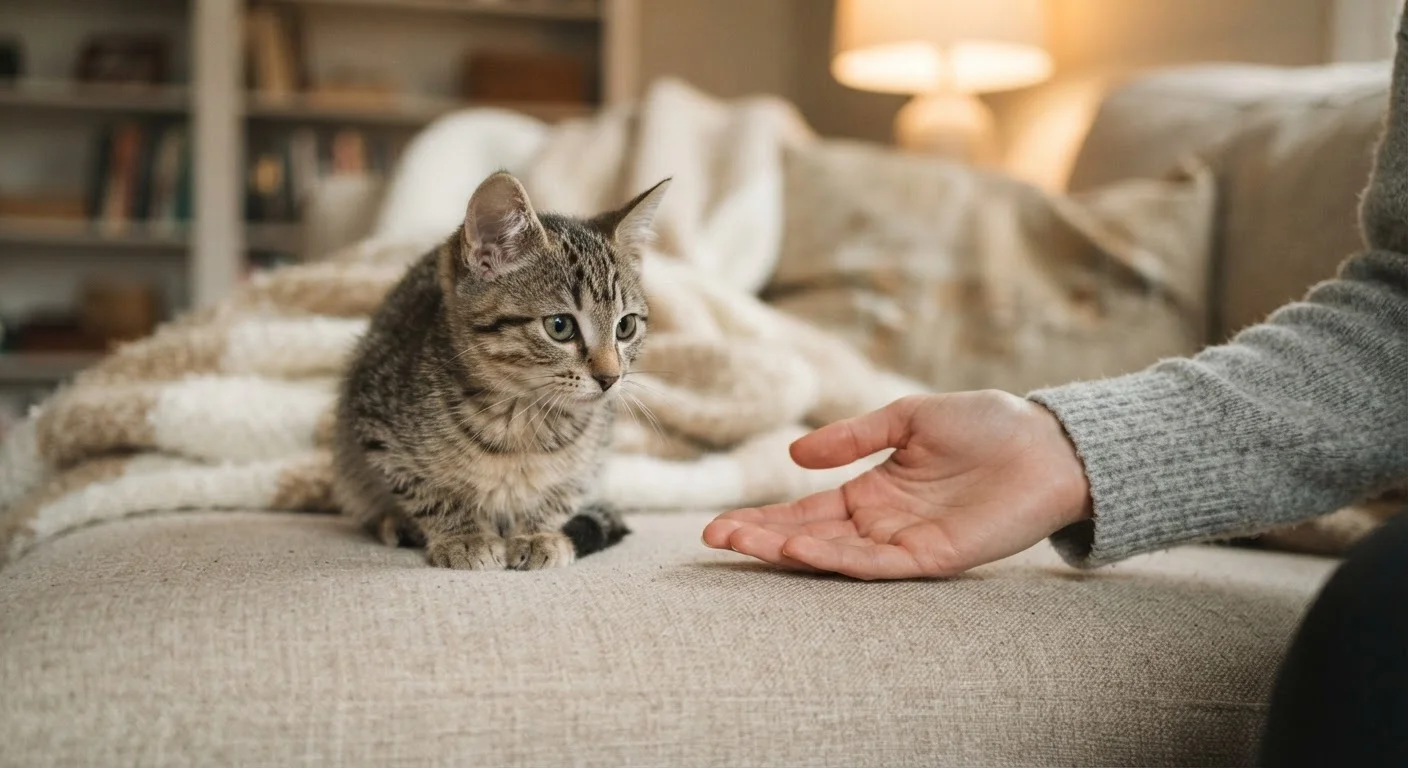
Photo credit: readerspanel.com
Not every pet warms up quickly. These low-pressure activities help build trust gradually with animals that need more time and patience.
Key Takeaways
- Shy pets bond best when they control the pace of every interaction.
- Quiet, predictable routines reduce anxiety faster than active engagement attempts.
- Letting a pet approach you, rather than reaching for them, builds lasting trust.
- Short, positive sessions work better than long ones for reserved animals.
- Reading body language accurately prevents setbacks in the bonding process.
Why some pets need a slower approach
Not every animal arrives home ready to be held, played with, or even looked at directly. Shyness in pets comes from many sources: limited early socialization, a history of stress or inconsistent handling, breed or species temperament, or simply individual personality. None of these make a pet less capable of forming a genuine bond; they just mean the process takes longer and requires more attention to the animal's signals.
The activities below are designed around one principle: the pet sets the pace. Each one gives an animal a reason to move toward you rather than a reason to move away. That direction matters more than speed. For guidance that extends into training and behavior more broadly, consistent principles apply across all low-pressure work with animals.
Sit in the same room without agenda
One of the most effective things you can do for a shy pet costs nothing and asks nothing of them. Sit or lie on the floor in the same room, read a book, or watch something quietly. You are not trying to make contact; you are simply existing in their space.
Many reserved animals will observe from a distance, and that observation is the beginning of trust. Over days or weeks, they tend to inch closer on their own terms. The absence of pressure is what makes this work. For cats especially, this mirrors how they signal safety to one another in the wild.
Existing quietly in a pet's space, without agenda, is one of the fastest ways to earn their trust.
Offer food from your hand, then back off
Food is a reliable bridge between fear and curiosity. Place a small treat in an open palm, extend your hand without moving toward the animal, and wait. If the pet takes it, do not follow up immediately with petting or praise. Let the transaction be complete as it is.
Repeating this a few times per day, without escalating, teaches the animal that you are a source of good things and not a source of pressure. This technique applies across species: shy dogs, cats, rabbits, and even birds respond to calm, low-reach food offers. Keep sessions brief, two to three minutes at most, so the pet always ends the encounter on a positive note.
Let the food transaction be complete in itself; do not immediately follow it with petting or praise.
Use parallel play to build comfort
Parallel play means engaging with a toy or activity near a pet without directing that activity at them. Roll a ball slowly across the floor, drag a string without pointing it toward the animal, or handle a crinkle toy while looking elsewhere. Shy pets often find it easier to engage with a moving object than with a person looking at them directly.
Once curiosity draws them in, resist the urge to escalate. Keep your movements slow, avoid direct eye contact, and let them dictate how close they get. This approach works particularly well with cats and with dogs that have limited socialization history. Indoor games like these can also double as mental enrichment, which helps reduce anxious energy over time.
Shy pets engage more easily with a moving object than with a person looking directly at them.
Introduce a consistent daily routine
Predictability is one of the strongest anxiety reducers available to pet owners. When a shy animal knows that meals, playtime, and rest happen at the same times each day, the environment stops feeling unpredictable and threatening. That shift alone can change how the pet relates to you.
You become part of the routine rather than a source of uncertainty. Cats particularly benefit from structured daily schedules, but dogs and small mammals respond to consistency as well. Keep the routine as stable as possible for the first several weeks, especially during the bonding window after a new pet arrives home.
When an animal knows what to expect each day, you stop feeling like a source of uncertainty.
Learn to read body language before acting
Many bonding setbacks happen because a well-meaning owner misreads a neutral signal as an invitation. A dog that rolls onto its back out of anxiety, for example, is not always asking for a belly rub. A cat with dilated pupils and a low, still tail is not relaxed. Recognizing the difference between curiosity and freeze behavior, or between a soft body and a stiffened one, prevents pushing an interaction past the pet's comfort threshold.
Spend time learning the specific signals your species uses. A slow blink from a cat signals safety; a yawn from a dog in an unfamiliar situation often signals stress, not tiredness. When you respond correctly to what a pet is communicating, they begin to see you as predictable and safe. This is foundational to the entire bonding process and connects directly to longer-term behavioral health, which is worth discussing with your vet. A good veterinary relationship can also give you species-specific guidance tailored to your pet's history.
Responding correctly to what a pet communicates is what makes you feel safe and predictable to them.
Create a dedicated retreat space the pet controls
Shy pets bond more readily when they have somewhere to go that belongs entirely to them. A crate with the door left open, a covered cat bed in a quiet corner, or a cardboard box tucked under a table all serve the same purpose: a place where the animal can observe the world without being in it, and where no one will follow them.
Avoid retrieving a pet from their retreat or coaxing them out of it. The retreat's value comes from being unconditionally safe. Over time, animals that have a reliable safe space tend to venture out more frequently, not less, because they know they can always return. This matters especially for older pets adjusting to new environments, whose comfort thresholds may be lower than a younger animal's.
A pet that always has somewhere to retreat will venture out more, not less, over time.
Staying patient through the quiet stretches
Progress is not always linear
A shy pet that seemed to be warming up may retreat after a loud noise, a visitor, or a schedule change. This is normal and does not mean the bond has been lost. Return to the basics: quiet presence, predictable routine, no-pressure food offerings. Most animals recover to their previous comfort level within a few days once the stressor is removed.
Building a bond with a shy or reserved pet is work measured in weeks and months, not sessions. The activities above compound over time: a pet that tolerates your presence today may approach you next week, and may choose to sit beside you a month from now. Each step is the result of many small, uncharged interactions that accumulate into trust.
If a pet shows persistent fear responses well beyond a reasonable adjustment period, or if their behavior changes suddenly, a conversation with a veterinarian is worth having. Behavioral changes can sometimes signal underlying health issues that deserve attention.
This article is for general informational purposes only and is not a substitute for professional veterinary or behavioral advice. If you have concerns about your pet's behavior or health, consult a licensed veterinarian.

Author
Pets & Animals Editorial Team
Pets & Animals Editorial Team is the collective byline for our editorial team and contributor network. Articles published under this byline or an editorial pen name are researched, written, and reviewed according to our editorial standards for clarity, consistency, and independence before publication.
View all articles →