
Reading a Pet's Body Language During a Vet Visit
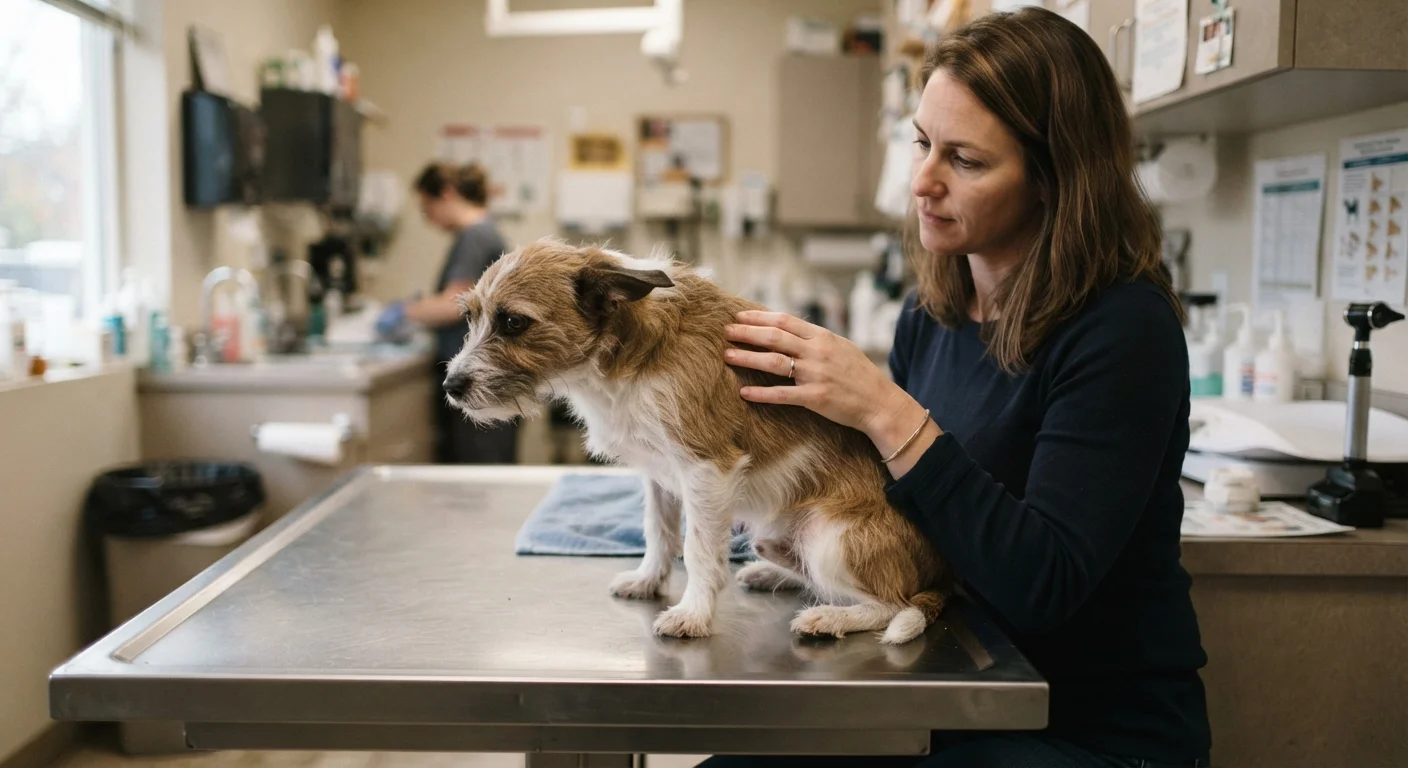
Photo credit: readerspanel.com
In this article
Stress signals in dogs and cats often go unnoticed by owners. Recognizing them helps you advocate for your pet and reduce clinic anxiety.
Key Takeaways
- Dogs and cats show stress through posture, eye shape, and subtle muscle tension before obvious signs appear.
- Recognizing early stress signals lets you intervene before anxiety escalates during the appointment.
- Communicating what you observe to your veterinarian improves how the exam is paced and handled.
- Simple pre-visit preparation at home can reduce baseline anxiety on clinic day.
- Fear-free handling techniques exist; asking your vet about them is a reasonable and useful step.
Why body language matters at the vet
A vet visit compresses several stressors into a short window: an unfamiliar environment, strange smells, handling by strangers, and occasional discomfort. Pets cannot describe how they feel, so their bodies do it for them. Most owners notice only extreme signals, such as a dog cowering or a cat hissing, but the communication starts much earlier than that.
Learning to read those earlier signals gives you two advantages. First, you can tell your veterinarian what you are seeing in real time, which helps the care team adjust their approach before the animal's stress peaks. Second, you become a more accurate reporter of your pet's normal versus stressed behavior, which is useful diagnostic information. For a broader look at everyday signals your pet sends, see reading your pet's body language.
This guide focuses on the specific context of clinic visits, where the stakes for clear communication are higher than on a normal walk or play session.
What to look for in dogs
Dogs express stress along a spectrum. Early signals are easy to miss because they look like ordinary behavior out of context.
- Yawning outside of tiredness: A yawn during the waiting room wait, or mid-exam, is often a calming signal directed at people or other animals nearby.
- Lip licking and nose licking: Repeated licking of the lips or nose without food present is a reliable early stress indicator.
- Whale eye: When the white of the eye (sclera) becomes visible at the edge of the socket, the dog is tense. It often accompanies a stiffened body.
- Tail position: A tail tucked below the hip line signals discomfort. A tail held very still and high can indicate arousal or alertness that may tip into fear.
- Weight shift: A dog that shifts its weight to its back legs or leans away from the examiner is communicating avoidance, not stubbornness.
- Panting without heat or exertion: Stress panting is shallower and faster than exercise panting and often accompanies drooling.
If you notice two or more of these together, tell the veterinarian. The exam can often be paused briefly or the approach adjusted. Fear, anxiety, and stress signs in pets covers a wider range of species if you have additional animals at home.
What to look for in cats
Cats tend to suppress visible distress longer than dogs, which means the signals that do appear are worth taking seriously.
- Flattened ears: Ears rotated to the side or pressed flat against the skull indicate fear or defensive aggression, not curiosity.
- Slow, low blinking replaced by wide, fixed staring: A cat that stops blinking and fixes its gaze is moving toward a threat response.
- Tail wrapping: A cat that pulls its tail tightly around its own body or under itself is trying to make itself smaller and is uncomfortable.
- Piloerection: The fur along the spine or at the base of the tail standing up signals high arousal.
- Crouching and freezing: A cat pressed flat to the exam table and completely still is not relaxed. Stillness in this posture is a fear response, sometimes called tonic immobility.
- Vocalization: Growling or low yowling before any handling begins is a clear escalation signal that the cat's threshold is close.
Reducing stimulation before the exam
Transport and waiting room time affect how cats arrive at the exam table. Covering the carrier with a cloth and placing it on a chair rather than the floor can reduce stimulation before the appointment even begins. For dogs, a short walk before entering the clinic can take the edge off pent-up energy.
Transport and waiting room time affect how cats arrive at the exam table. Covering the carrier with a cloth and placing it on a chair rather than the floor can reduce stimulation before the appointment even begins.
How to communicate what you observe to the vet team
Your observations are clinical data. Before the exam starts, briefly tell the technician or veterinarian what you noticed in the waiting room or on the drive over. A simple statement such as "She was panting the whole drive and her tail has been tucked since we arrived" gives the team useful context.
During the exam, you can narrate changes as you see them: "His lip licking just started" or "She just pinned her ears." You are not interrupting; you are contributing. A good veterinary team will welcome this input. For guidance on building that kind of open dialogue over time, building a trustworthy relationship with your veterinarian covers how consistent communication shapes better long-term care.
If your pet's stress signals are escalating quickly, it is always reasonable to ask whether the exam can be paused, whether a pheromone spray is available in the room, or whether certain parts of the visit can be done in a different order. Veterinary staff are trained to accommodate these requests.
Observe your pet before you leave home
Note your pet's baseline behavior at home on the morning of the visit: activity level, appetite, how they respond to the carrier or leash. This gives you a comparison point for what changes during transit and in the clinic.
Watch for stress signals during transit
Pay attention to panting, drooling, vocalization, or attempts to escape the carrier during the drive. These signals indicate your pet's stress level is already elevated before you walk in, and the vet team should know this.
Scan the waiting room environment
Choose a seat away from other animals when possible. If your cat is in a carrier, place it on your lap or a chair rather than the floor, and keep a cloth over the carrier door. Watch your pet for the early signals described above and note when they start.
Brief the vet team before the exam begins
When the technician greets you, share what you observed: how the drive went, any signals you saw in the waiting room, and whether this visit feels more stressful than previous ones. Keep it brief and specific.
Narrate changes during the exam
Stay close to your pet and watch for shifts in posture, ear position, eye shape, and breathing. If you see a new signal appear, name it out loud. The vet team can then decide whether to pause, change position, or adjust technique.
Ask about follow-up strategies before you leave
If the visit was difficult, ask the veterinarian directly: what would help next time? They may suggest carrier conditioning, a pre-visit medication, or a shorter appointment structure. Leave with a concrete plan rather than a vague intention to "try something different."
Preparing for lower-stress visits in the future
Body language reading is most useful when paired with preparation that reduces baseline anxiety. Carrier training for cats, short "happy visits" to the clinic without any procedures, and practicing gentle handling at home (touching paws, ears, and mouth regularly) all lower the stress ceiling your pet brings into the appointment.
If your pet consistently shows severe stress signals, ask your veterinarian about fear-free handling protocols or pre-visit calming options. These are medical decisions that belong in a conversation with your vet, not something to manage with over-the-counter products on your own. Dogs with broader anxiety patterns at home may also benefit from the approach described in separation anxiety recognition and training, since clinic anxiety and separation anxiety sometimes share underlying causes.
This article is for general informational purposes only and is not a substitute for professional veterinary advice. Always consult a licensed veterinarian for guidance specific to your pet's health and behavior.

Author
Pets & Animals Editorial Team
Pets & Animals Editorial Team is the collective byline for our editorial team and contributor network. Articles published under this byline or an editorial pen name are researched, written, and reviewed according to our editorial standards for clarity, consistency, and independence before publication.
View all articles →