
The Hidden Costs Families Routinely Leave Out of Their Annual Budget
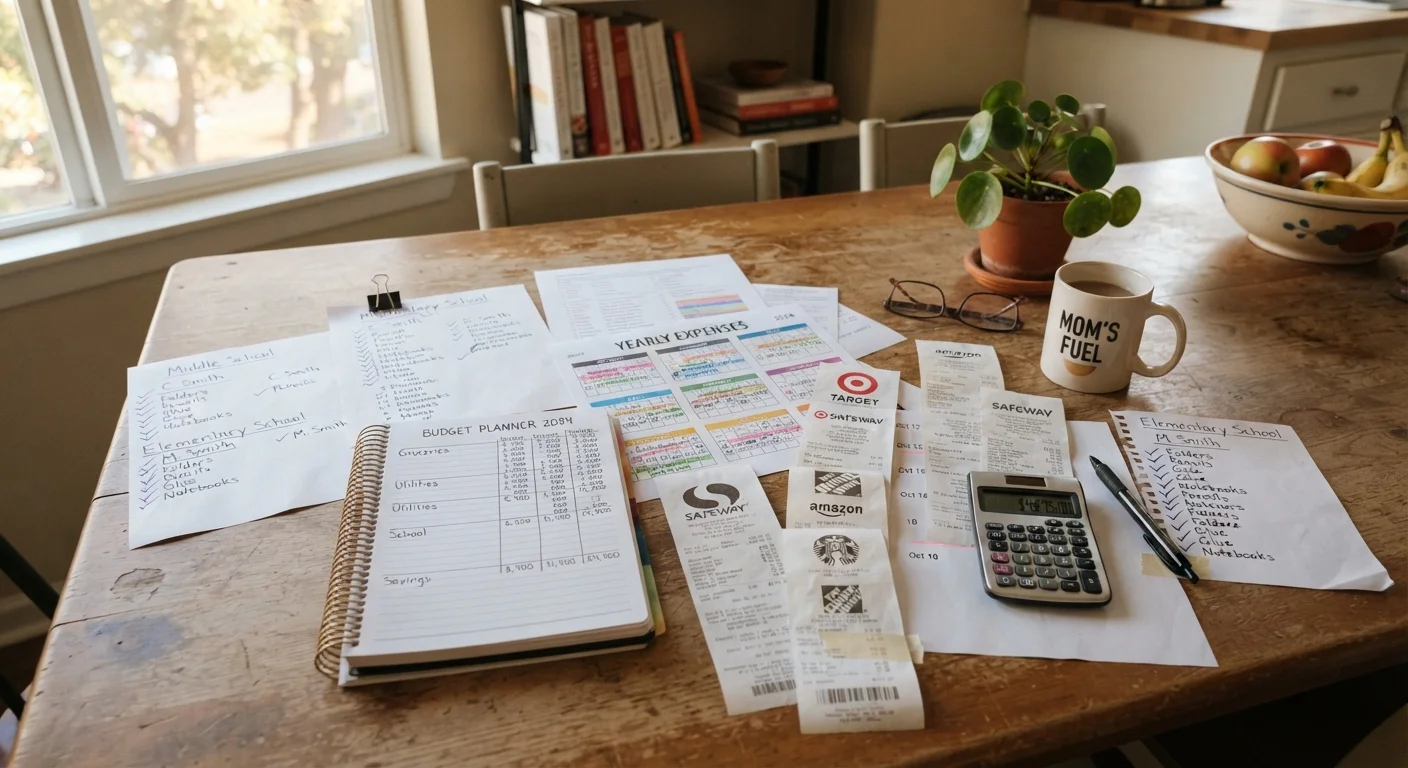
Photo credit: readerspanel.com
In this article
School supplies, car registration, holiday gifts, annual memberships: these predictable costs derail budgets because they go unplanned. A guide to capturing them all.
Key Takeaways
- Most budget shortfalls trace back to predictable annual costs that were never written down.
- Dividing each annual expense by 12 and treating it as a monthly line item prevents most surprise overruns.
- Vehicle, school, health, and seasonal costs together account for the bulk of overlooked family spending.
- A single annual audit session each year is enough to keep the full picture current.
- Recurring subscriptions and auto-renewing memberships are a separate category worth reviewing independently.
Why predictable costs still catch families off guard
A budget that tracks monthly bills accurately can still fall apart in October when car registration arrives, in August when school supplies pile up, or in December when holiday spending exceeds what anyone set aside. These are not surprises in any real sense. The costs repeat every year on roughly the same schedule. The problem is that families plan in monthly increments and these expenses do not arrive monthly.
The pattern behind irregular expenses is consistent: a cost that arrives once a year gets mentally filed under 'next year' until it is suddenly next week. The fix is equally consistent: convert every annual cost into a monthly figure and treat it as a fixed line in your budget. This checklist gives you a framework to find every expense worth converting.
Work through each group using 12 months of actual bank and credit card statements, not estimates. Actual figures, even rough ones, are more useful than guesses. Once you have a total for each group, divide by 12 to find the monthly amount you need to set aside. A separate sinking fund account, one that is not your regular checking account, prevents that money from being spent before the bill arrives.
This is general financial information, not personalized advice
The figures and categories in this checklist are illustrative examples for planning purposes only. They are not personalized financial, tax, or legal advice. For guidance specific to your household situation, consult a licensed financial professional.
How to use this checklist
Go through each group in one sitting. For every item that applies to your household, write down last year's actual cost. If you cannot find the exact figure, check your email for receipts or your bank's transaction history. Leave the item blank rather than guessing; you can fill it in once you find the record.
After completing all groups, add every annual total and divide the sum by 12. That monthly figure is the amount your budget is currently absorbing without a dedicated plan. For most families, the number is larger than expected. Discretionary spending often holds the room needed to redirect toward these irregular costs once you can see the full picture.
Last year's bank and credit card statements
Pull 12 months of transaction history to identify every annual or irregular charge you actually paid.
Spreadsheet or budgeting app
Record each annual expense, divide by 12, and track the monthly sinking fund contribution needed.
A dedicated sinking fund account
Hold monthly contributions for irregular expenses so the money is available when each bill arrives.
Calendar or reminder app
Set a renewal alert 30 to 60 days before each annual bill so you have time to review or adjust.
The checklist
Work through each category below. Each item includes a priority level: must items apply to virtually every household, should items apply to most, and nice to have items are worth capturing if you have the data. For vehicle costs in particular, the full annual vehicle cost is almost always higher than the payment and insurance alone.
Vehicle costs
Children and school
Health and personal care
Home and property
Seasonal and holiday spending
Memberships, subscriptions, and licenses
Auto-renewals can be silent budget traps
Many annual memberships and software subscriptions renew automatically without a reminder email. Check your credit card statements for charges labeled 'annual renewal' or 'yearly fee' that you may have stopped using. Canceling unused services before the renewal date is the only reliable way to stop the charge.
Do not rely on memory for irregular costs
Most families underestimate irregular costs because these expenses feel smaller in hindsight. Pull actual bank statements rather than estimating from memory. A single year of real data is far more accurate than a mental estimate, and the difference between the two is often hundreds of dollars.
After the audit: what to do with the numbers
Once you have a complete list of annual costs, three actions make the list useful rather than just informative.
- Divide each annual cost by 12 and add that amount to your monthly budget as a dedicated line item.
- Set a calendar reminder 30 to 60 days before each renewal or bill date so you can review the charge before it hits.
- Run this same audit once a year. New memberships, a child's new activity, or a change in insurance can shift the total significantly.
For households that want to go further, the annual home expense checklist covers property and home systems in more detail, and the subscriptions and recurring charges guide walks through identifying every auto-renewing service across your accounts. Seasonal spending patterns are worth reviewing separately as well, since holiday and back-to-school clusters behave differently from other irregular costs.
This article is for general informational purposes only and does not constitute personalized financial advice. Consult a qualified financial professional for guidance specific to your situation.

Author
Smart Shopping Editorial Team
Smart Shopping Editorial Team is the collective byline for our editorial team and contributor network. Articles published under this byline or an editorial pen name are researched, written, and reviewed according to our editorial standards for clarity, consistency, and independence before publication.
View all articles →