
Coastal Maine in the Off-Season: The Case for Visiting After Summer Crowds Leave
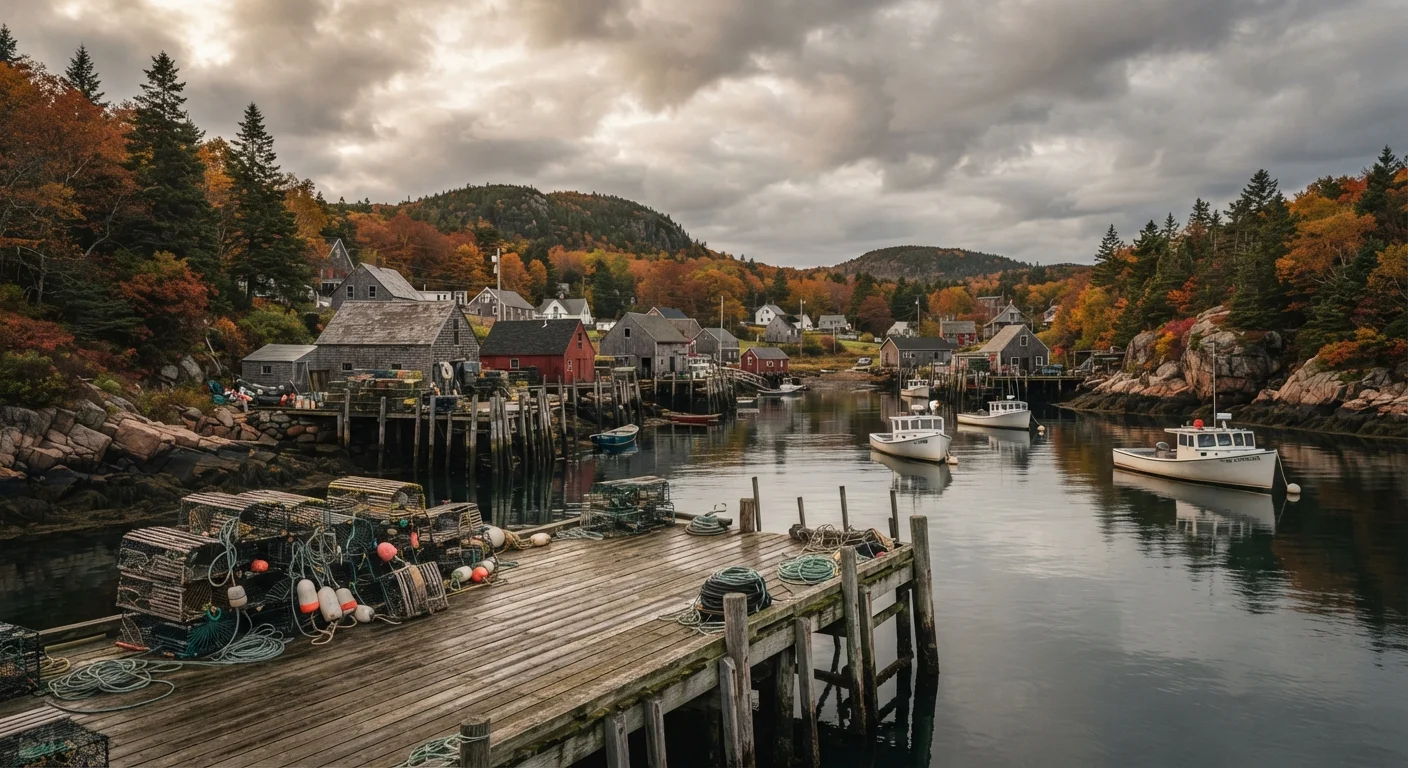
Photo credit: readerspanel.com
In this article
Autumn and early winter reveal a quieter, more atmospheric side of Maine's coast. Here's what changes and what remains when the season winds down.
Key Takeaways
- Lodging rates along coastal Maine drop significantly after Labor Day, with many inns offering reduced prices through November.
- Foliage peaks in mid-October along the coast, overlapping with active lobster and fishing seasons.
- Some restaurants, ferry services, and attractions operate on reduced hours or close entirely after Columbus Day weekend.
- The off-season rewards visitors who plan ahead with a quieter, more atmospheric version of the same landscape.
- Weather turns unpredictable after October, so packing layers and checking road conditions is essential.
Lodging rates drop sharply after Labor Day
Many coastal Maine inns reduce rates by 30 to 50 percent in the fall shoulder season. Campsites in Acadia that book out weeks ahead in summer become available on short notice.
Crowds thin at popular parks and trails
Acadia National Park sees a fraction of its peak-season traffic in October, making summits, carriage roads, and rocky shorelines far more accessible without planning around large groups.
Foliage adds a distinct visual layer
Interior Maine peaks in foliage color around mid-October, and coastal areas hold color slightly later. The combination of fall color and ocean scenery is specific to this season.
Working waterfronts stay active
Lobster fishing and other commercial fishing continue through fall, giving visitors a more accurate picture of how coastal communities actually function outside tourist season.
Accommodation and restaurant availability improves
Restaurants that require reservations weeks in advance in July may seat walk-ins in September. The reduced competition for tables and rooms lowers the logistical pressure on a trip.
Many businesses close or cut hours significantly
Bar Harbor and similar tourist-dependent towns see mass closures after Columbus Day weekend. Travelers expecting summer-level services will find the options much narrower by November.
Island ferry access becomes very limited
Monhegan Island and other offshore destinations operate reduced winter ferry schedules, and some crossings stop entirely. Confirming schedules directly with operators is essential before planning any island visit.
Weather turns unpredictable and can be severe
Nor'easters, rapid temperature drops, and coastal ice arrive from late October onward. Exposed granite trails in Acadia become significantly more hazardous in wet or icy conditions.
Shorter daylight hours compress your window
By late October, usable daylight on the Maine coast runs roughly 10 to 11 hours, limiting how much hiking or driving you can realistically fit into a single day.
Some areas feel genuinely deserted
Towns that depend almost entirely on summer visitors can feel empty rather than peaceful by mid-November. Travelers who want ambient energy and foot traffic will find the off-season atmosphere stark.
What the off-season actually looks like on the Maine coast
Labor Day weekend is the informal close of summer in coastal Maine. Towns like Bar Harbor, Rockland, and Camden shift almost overnight: parking opens up, restaurant wait times disappear, and the roads along Route 1 move at a pace that lets you actually look at the water. From September through November, the coast settles into something closer to what it looks like for the nine months residents actually live there.
Acadia National Park, which draws more than three million visitors during peak season, becomes a different place in October. The Park Loop Road stays open through mid-November in most years, and hikers can access the same granite summits and carriage roads with a fraction of the foot traffic. Foliage in the interior reaches peak color around mid-October, while the coastal sections hold green a little longer before turning. The combination of autumn color against ocean views is genuinely striking.
Fishing activity does not stop with summer. Lobster season in Maine runs year-round for most license holders, and working waterfronts in towns like Stonington and Vinalhaven stay active well into fall. Watching a lobster boat head out at dawn feels more authentic when you are not watching it from behind forty other tourists.
Reasons the off-season works in your favor
Lodging rates drop sharply after Labor Day
Many coastal Maine inns reduce rates by 30 to 50 percent in the fall shoulder season. Campsites in Acadia that book out weeks ahead in summer become available on short notice.
Crowds thin at popular parks and trails
Acadia National Park sees a fraction of its peak-season traffic in October, making summits, carriage roads, and rocky shorelines far more accessible without planning around large groups.
Foliage adds a distinct visual layer
Interior Maine peaks in foliage color around mid-October, and coastal areas hold color slightly later. The combination of fall color and ocean scenery is specific to this season.
Working waterfronts stay active
Lobster fishing and other commercial fishing continue through fall, giving visitors a more accurate picture of how coastal communities actually function outside tourist season.
Accommodation and restaurant availability improves
Restaurants that require reservations weeks in advance in July may seat walk-ins in September. The reduced competition for tables and rooms lowers the logistical pressure on a trip.
Cost is the most immediate advantage. Many inns and bed-and-breakfasts along the coast cut rates by 30 to 50 percent after Labor Day, and some offer midweek packages through October. Campgrounds in and around Acadia that require advance reservations in July are often walk-up accessible in September. If seasonal budget planning is part of how you approach travel spending, Maine in fall fits naturally into a lower-cost window.
Access to popular spots improves dramatically. The summit of Cadillac Mountain, Acadia's highest point on the Eastern Seaboard, can feel crowded at sunrise in July. In October, you may share it with a handful of other people. Kayak launches, tide pools, and coastal walking paths that require patience in summer are quiet enough in fall that you can actually stop and pay attention to what is in front of you.
Where the off-season creates real friction
Many businesses close or cut hours significantly
Bar Harbor and similar tourist-dependent towns see mass closures after Columbus Day weekend. Travelers expecting summer-level services will find the options much narrower by November.
Island ferry access becomes very limited
Monhegan Island and other offshore destinations operate reduced winter ferry schedules, and some crossings stop entirely. Confirming schedules directly with operators is essential before planning any island visit.
Weather turns unpredictable and can be severe
Nor'easters, rapid temperature drops, and coastal ice arrive from late October onward. Exposed granite trails in Acadia become significantly more hazardous in wet or icy conditions.
Shorter daylight hours compress your window
By late October, usable daylight on the Maine coast runs roughly 10 to 11 hours, limiting how much hiking or driving you can realistically fit into a single day.
Some areas feel genuinely deserted
Towns that depend almost entirely on summer visitors can feel empty rather than peaceful by mid-November. Travelers who want ambient energy and foot traffic will find the off-season atmosphere stark.
The closures are not minor. Bar Harbor, which operates almost entirely on tourism, loses a large portion of its restaurants, shops, and services after Columbus Day weekend in mid-October. Some neighborhoods that feel lively in August feel genuinely empty by November. Travelers who want variety in dining or evening activities will find their options narrow quickly.
Ferry service to the islands changes. Vinalhaven, North Haven, and Monhegan Island all have reduced winter schedules, and Monhegan in particular becomes very difficult to reach after mid-fall. Anyone planning island visits needs to confirm current schedules directly with the ferry operators before booking anything.
Weather along the Maine coast turns unpredictable from late October onward. Nor'easters can arrive with little warning, and coastal roads can ice overnight. Hiking in wet conditions on exposed granite is more dangerous than summer trail reports suggest, and conditions at elevation in Acadia can differ significantly from what it looks like at sea level. This is not a reason to stay home, but it does require checking forecasts daily and having flexible plans.
Planning an off-season trip: what actually matters
Call ahead. This is the single most useful thing you can do before an off-season trip to Maine. Confirm that your chosen accommodations are open, that the restaurants you want to visit have their fall hours posted, and that any boat tours or ferry crossings are still operating. What shows up on a website in March may not reflect a business's October schedule.
Build in flexibility. Off-season travel anywhere rewards travelers who hold plans loosely. A rainy day in Bar Harbor is not a ruined day if you have a list of indoor alternatives: the Abbe Museum, the public library, a long meal at one of the restaurants still open. The same flexibility that helps with quieter destination travel applies here. A day that looked like a hike might become a drive along the Schoodic Peninsula instead.
Pack for the actual weather. Layering is not optional on the Maine coast in October. A windproof outer layer, waterproof footwear, and a warm mid-layer cover most conditions you will encounter. Mornings can be below freezing at elevation while afternoons along the water sit in the low 50s.
Travel conditions, ferry schedules, and business hours change seasonally. Verify current information with official sources and local operators before your trip.

Author
Travel & Adventure Editorial Team
Travel & Adventure Editorial Team is the collective byline for our editorial team and contributor network. Articles published under this byline or an editorial pen name are researched, written, and reviewed according to our editorial standards for clarity, consistency, and independence before publication.
View all articles →