
Japan Beyond Tokyo: Lesser-Known Regions That Reward the Curious Traveler
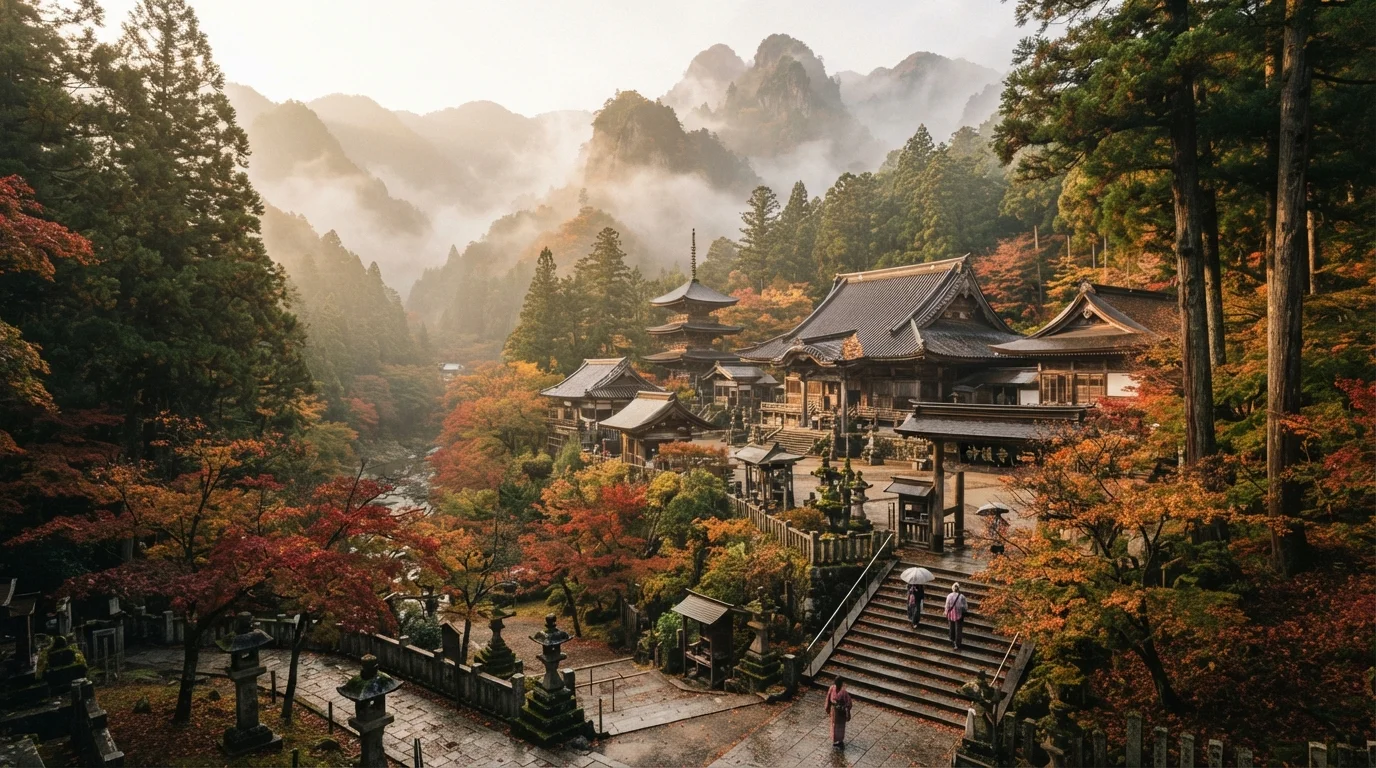
Photo credit: readerspanel.com
In this article
From the forested valleys of Tohoku to the subtropical shores of Okinawa, discover why Japan's quieter corners often leave the deepest impressions.
Key Takeaways
- Japan's lesser-known regions offer distinct cultural, culinary, and natural experiences that Tokyo cannot replicate.
- Tohoku, the San'in Coast, Shikoku, and Okinawa each reward travelers willing to venture off the beaten path.
- Slower travel in rural Japan typically means more access to local life, lower costs, and fewer crowds.
- Practical planning around transit passes, seasonal conditions, and local customs makes regional travel far smoother.
- Verifying entry requirements, transit schedules, and travel advisories with official sources before departure is essential.
Why Japan's quieter regions deserve a spot on your itinerary
Tokyo is extraordinary. So is Kyoto. But Japan has 47 prefectures, and most visitors see a fraction of them. The country's regional rail network, cultural depth, and food traditions vary enormously from one area to the next, and that variety is precisely what makes going further so worthwhile.
Crowd pressure at major sights has grown considerably over the past decade. Strategies for navigating overtourism can help at famous landmarks, but sometimes the most effective move is simply to go where the crowds have not yet arrived. Japan's regional areas make that possible without sacrificing quality of experience.
The five regions below cover different geographies, climates, and travel styles. Whether you want ancient pilgrimage routes, subtropical beaches, or samurai-era towns preserved almost entirely intact, each one offers something Tokyo simply cannot.
Verify entry and transit details before you go
Japan's entry requirements, visa rules, and regional transit schedules change periodically. Before booking, check the Japanese Ministry of Foreign Affairs and your own government's travel advisory pages for current requirements. Local tourism boards for each prefecture also publish practical visitor information in English, including seasonal closures and transportation options.
Five Japanese regions worth the journey
Tohoku: the forested north that most visitors skip
Tohoku covers the northeastern portion of Honshu and contains some of Japan's most dramatic scenery: volcanic lakes, deep cedar forests, and hot spring towns that have been drawing visitors for centuries. Matsushima Bay, a cluster of pine-covered islands near Sendai, is one of Japan's classically celebrated views. The town of Kakunodate preserves a neighborhood of samurai residences largely intact, with weeping cherry trees lining streets that feel genuinely old rather than reconstructed.
The region's food culture is distinct. Cold-climate rice produces sake with a different profile than warmer regions. Wanko soba in Iwate, where small bowls of buckwheat noodles arrive in rapid succession, is a local tradition unlike anything in the rest of the country.
Tohoku receives a fraction of the tourist traffic that Kyoto or Osaka sees, which means accommodation is easier to book, sights feel unhurried, and conversations with locals happen more naturally. Winter here is cold and snowy, but that snow transforms places like Ginzan Onsen into something genuinely otherworldly.
Tohoku's samurai streets and volcanic landscapes see a fraction of the tourist traffic that Kyoto handles.
The San'in Coast: where the Sea of Japan meets ancient Shinto history
The San'in region stretches along Japan's western coast, facing the Sea of Japan rather than the Pacific. It is among the least-visited parts of the main island, partly because it sits off the routes that connect Tokyo, Osaka, and Hiroshima. That geographic position is now its advantage.
Izumo Taisha, one of Japan's oldest and most significant Shinto shrines, sits here. The scale and atmosphere of the complex differ markedly from the more touristed shrines elsewhere; the surrounding town moves slowly and the rituals observed here are genuinely ancient. Tottori Prefecture, farther east along the coast, contains Japan's largest sand dunes, a landscape that surprises nearly everyone who encounters it.
Matsue, a castle town on a lake, gives travelers a walkable base with good accommodation options and a relatively compact historic core. The region's seafood, pulled from the Sea of Japan, is a consistent highlight among visitors who make the trip.
Izumo Taisha is among Japan's oldest Shinto shrines, set in a region most travelers never reach.
Shikoku: the pilgrimage island with 88 temples and deep mountain valleys
Shikoku is Japan's smallest main island and home to the 88-temple pilgrimage circuit associated with the Buddhist monk Kukai, known posthumously as Kobo Daishi. Walking the full circuit takes roughly 40 to 60 days; many visitors complete sections rather than the whole route, which is entirely reasonable. The pilgrimage infrastructure, including guesthouses, trail markers, and local hospitality customs toward pilgrims, makes even partial walks accessible.
Beyond the temples, Shikoku's interior holds the Iya Valley: a place of steep gorges, vine bridges, and villages that cling to hillsides at improbable angles. The valley's isolation preserved older building traditions and farming practices that disappeared elsewhere. Kochi Prefecture on the island's southern coast runs warmer than the rest of the island and produces distinctive local ingredients, including katsuo (skipjack tuna) prepared with a seared, smoky technique called tataki.
Access to Shikoku from Honshu is straightforward via the Seto Inland Sea bridges or ferry routes. Once on the island, local buses and occasional rental transport cover most destinations, though planning connections in advance is important in more rural areas.
The 88-temple pilgrimage circuit has structured Shikoku's culture and hospitality for over a thousand years.
Kyushu's volcanic interior: onsen towns, active craters, and Nagasaki's layered history
Kyushu, Japan's southwesternmost main island, is accessible enough that it appears on more itineraries than the other regions on this list, but most visitors stick to Fukuoka and miss what lies further in. Mount Aso in Kumamoto Prefecture is one of the world's largest active calderas, and the surrounding grasslands and volcanic terrain feel entirely unlike the rest of Japan.
Beppu is Japan's highest-volume hot spring city, with geothermal activity visible in pools, steam vents, and mud baths across the city. The famous "hells" (jigoku), a collection of dramatically colored geothermal pools used for viewing rather than bathing, draw visitors who know to look. Yufuin, a smaller onsen town in the same region, has a quieter character and a walkable historic street lined with local craft shops and cafes.
Nagasaki carries a history with no parallel elsewhere in Japan. Its role as the only port open to foreign trade during the Edo-period isolation produced a city with distinct Dutch, Chinese, and Portuguese influences visible in its architecture, food, and religious sites. The Peace Park and Atomic Bomb Museum require time and emotional readiness; both are handled with care and historical rigor.
Nagasaki's centuries as Japan's sole open port produced a cultural mix found nowhere else in the country.
Okinawa: subtropical islands with a culture distinct from mainland Japan
Okinawa is not simply a tropical extension of Japan. The Ryukyu Kingdom, which governed this island chain until the late 19th century, developed its own language, music, cuisine, and craft traditions. That heritage remains visible and practiced, not just displayed for tourists.
The main island contains Shuri Castle, a reconstructed Ryukyuan royal palace with architecture and color schemes that read nothing like mainland Japanese castles. The castle complex was severely damaged by fire in 2019 and reconstruction is ongoing; verify current access before planning a visit. Beyond the main island, the Kerama Islands offer clear water and marine life that draws divers and snorkelers, while Iriomote Island in the Yaeyama group is largely covered by subtropical jungle and inhabited by the rare Iriomote cat.
Okinawan food uses ingredients and techniques that differ substantially from mainland Japanese cooking. Goya champuru (a bitter melon stir-fry), Okinawa soba (thicker than mainland soba and made with wheat rather than buckwheat), and awamori (a distilled spirit made from indica rice) are all specific to this region. The subtropical climate means typhoon risk is real during summer and early autumn; check weather advisories and travel insurance terms carefully before finalizing dates.
The Ryukyu Kingdom's distinct language, food, and architecture make Okinawa genuinely different from mainland Japan.
Planning your regional Japan trip
Japan's rail system connects most regional destinations efficiently, and the nationwide rail pass can make multi-region trips cost-effective depending on your itinerary. That said, some rural areas in Tohoku or the San'in Coast require local buses or rental cars, so checking connections in advance saves considerable hassle on the ground.
Seasonality matters more in regional Japan than in the cities. Tohoku winters are genuinely harsh; Okinawa's typhoon season runs roughly from summer through early autumn. Travel conditions, opening hours for temples and natural sites, and local festival schedules shift with the calendar. Always verify current conditions and any entry or transit requirements through official Japanese tourism and government sources before booking.
If you enjoy the tension between city energy and open landscape, balancing urban and nature-focused travel is worth thinking through before you finalize a route. Japan handles that combination unusually well: a morning in a castle town can flow into an afternoon in the surrounding mountains without much effort at all.
For travelers who appreciate the particular atmosphere of places visited outside their peak season, the off-season case made for coastal Maine applies equally well to rural Japan. Fewer visitors, more honest interactions, and landscapes that feel genuinely your own.

Author
Travel & Adventure Editorial Team
Travel & Adventure Editorial Team is the collective byline for our editorial team and contributor network. Articles published under this byline or an editorial pen name are researched, written, and reviewed according to our editorial standards for clarity, consistency, and independence before publication.
View all articles →