
Urban Exploration vs. Nature-Focused Travel: Finding the Balance That Fits You
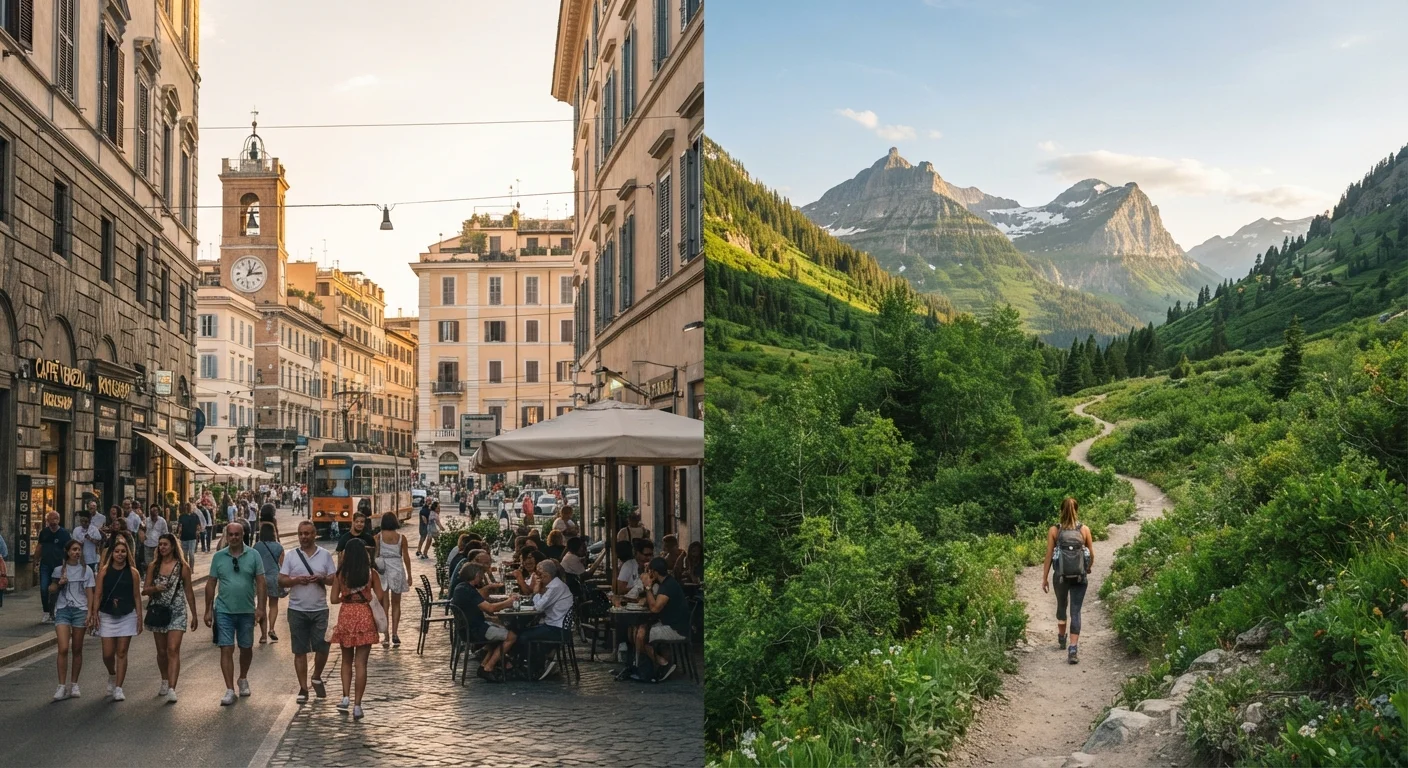
Photo credit: readerspanel.com
In this article
Some travelers thrive in cities; others need open landscapes. Explore the trade-offs of each approach and how to combine them on a single trip.
Key Takeaways
- Urban trips pack more variety into less physical space, which suits short windows and first-time visitors.
- Nature-focused itineraries often demand more planning around access, gear, and seasonal conditions.
- The two approaches are not mutually exclusive: many destinations support both in the same trip.
- Your travel pace preference matters as much as destination type when choosing between the two.
- Combining urban and natural elements can reduce decision fatigue without sacrificing either experience.
What each approach actually delivers
Urban exploration travel is built around density. A single city day might include a morning at a historic market, an afternoon inside a neighborhood that shifted character three times over the past century, and an evening eating food that exists nowhere else in quite the same form. The appeal is accumulation: experiences arrive fast and close together. You do not need a car, and logistical friction is generally low once you are on the ground.
Nature-focused travel works on a different logic. The reward is often proportional to effort and distance. Driving two hours from a regional airport to reach a trailhead, or taking a ferry to an island with no paved roads, creates the separation that many nature travelers are after. That separation costs time and sometimes money, and it requires more preparation around gear, weather, and physical fitness.
Neither approach is objectively superior. What they deliver is genuinely different, and that difference is worth taking seriously before you book.
| Criterion | Urban exploration travel | Nature-focused travel |
|---|---|---|
| Planning complexity | Moderate, flexible | High, conditions-dependent |
| Physical demand | Low to moderate | Moderate to high |
| Spontaneity | Easy, options abundant | Limited by access and permits |
| Daily cost once on-site | High, constant spending | Lower after gear investment |
| Crowd exposure | High in popular cities | Variable, lower in backcountry |
| Seasonal sensitivity | Low for most cities | High for many destinations |
| Accessibility | Generally high | Varies widely by location |
The planning gap between the two
Urban trips are generally more forgiving to plan. Public transit maps exist, restaurant hours are published, and most logistics are resolvable on a phone from your hotel room. Spontaneity is easier because options are abundant. The case for a flexible itinerary is strongest in cities, where leaving gaps often leads to better discoveries than a fully scheduled day would allow.
Nature trips carry more planning weight. Permit systems at popular national parks in the U.S. require advance registration, sometimes months out. Seasonal closures, road conditions, and weather windows matter in ways they simply do not in an urban context. Anyone heading into remote terrain should verify current conditions through official park or land management sources before departure, since conditions can shift quickly and published information online is not always current.
Accurate pre-trip research carries higher stakes on a nature-focused itinerary. A closed trail or an unexpected snow closure can eliminate the centerpiece of an entire trip. Cities absorb itinerary changes more easily.
Cost considerations worth knowing
Urban trips can run expensive because spending opportunities are constant. Entry fees, meals, transit passes, and activities stack up quickly in major cities. The full cost of a city trip often surprises people who budget only for flights and accommodation.
Nature trips front-load costs differently. Gear is the big variable: someone without a tent, sleeping bag, or layering system faces a significant startup cost before the trip even begins. Once in the field, daily expenses can drop substantially. Backcountry camping fees are usually low, and cooking your own food eliminates restaurant spending. That said, transportation to remote trailheads or wilderness areas can cost more than getting around a city with good transit.
Gear rental is worth checking first
If you are new to nature-focused travel, many gateway towns near national parks and wilderness areas have gear rental options. Renting before buying lets you test equipment on a real trip without committing to a full purchase. Verify availability in advance, since rental inventory varies by location and season.
Combining both in one trip
Many travelers find that the sharpest trips weave both approaches together. Japan is a clear example: Tokyo or Osaka provide urban density, while the forested valleys and coastal landscapes beyond the major cities offer genuine wilderness contrast within the same trip. Portugal works similarly: Lisbon's streets give way within an hour to Atlantic coastline and cork forest.
A practical structure is to start with the urban portion. Arriving in a city first gives you cultural context, reliable food and rest, and time to adjust to a time zone before moving into terrain that demands more physical readiness. Ending a trip in a city also simplifies departure logistics.
How you divide the days depends on what you are traveling for. The format of your trip, whether a road trip or a fly-in itinerary, shapes how easily you can move between urban and natural zones. A rental car makes the transition seamless in most cases; relying on public transit alone can limit access to wilderness areas that lack rail or bus connections.
The travelers who struggle most are those who treat the choice as binary. Most destinations worth visiting have both dimensions available. The question is usually how much of each you want, not which one to accept entirely.

Author
Travel & Adventure Editorial Team
Travel & Adventure Editorial Team is the collective byline for our editorial team and contributor network. Articles published under this byline or an editorial pen name are researched, written, and reviewed according to our editorial standards for clarity, consistency, and independence before publication.
View all articles →