
What a Travel Budget Should Actually Include (Beyond Flights and Hotels)
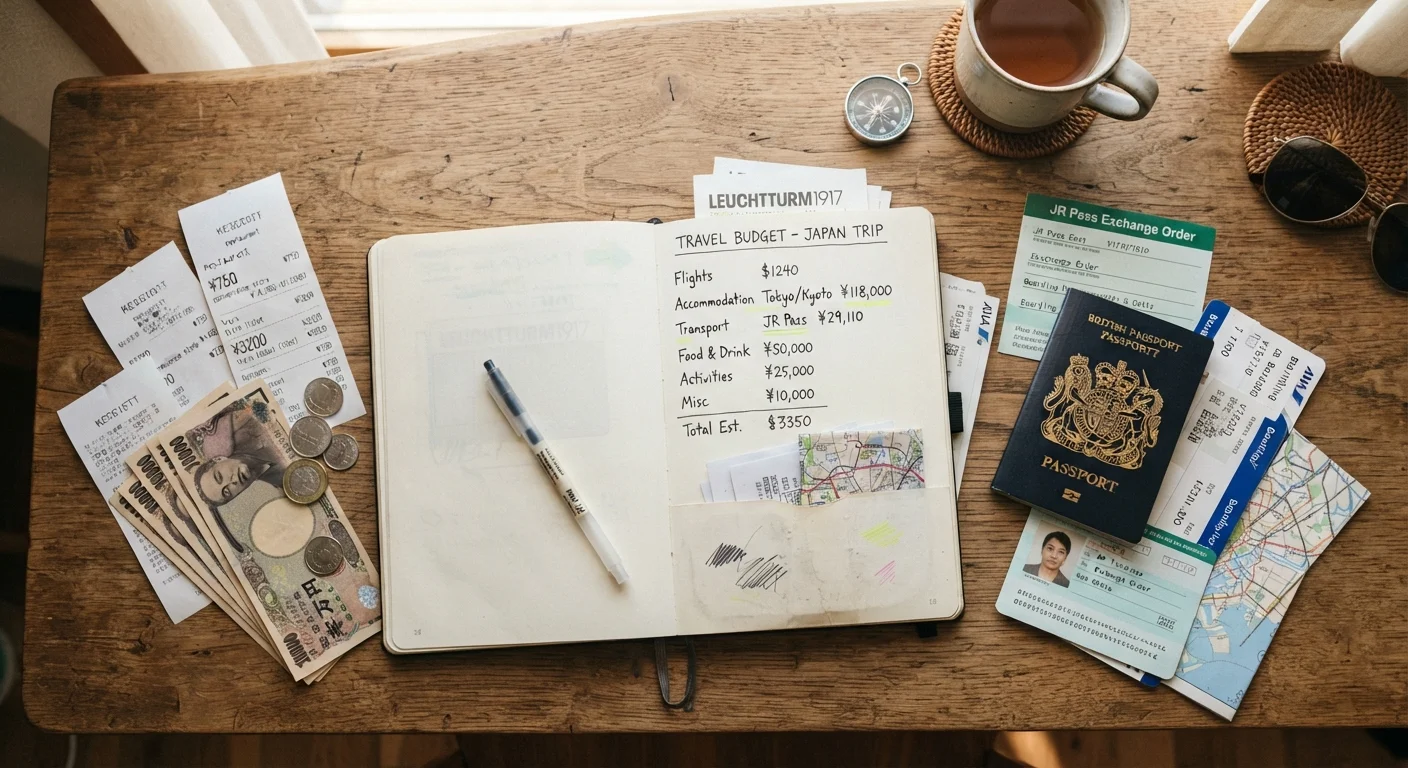
Photo credit: readerspanel.com
In this article
Meals, activities, transport, tips, visas, and emergencies: a clear breakdown of the expense categories travelers consistently forget to budget for.
The categories travelers most often skip
Most people start a travel budget by pricing flights and accommodation, then assume the rest is details. The details are where trips go over budget. The categories below account for expenses that consistently catch travelers off guard, often because they feel small individually but stack up fast across a 10-day trip.
Ground transportation
Airport transfers, city rail passes, taxis, rideshares, ferries, and rental car fuel are separate from your flight cost. In some cities, getting between the airport and the city center alone can cost $40 to $80 each way. Budget per travel day, not per trip.
Meals and drinks
Hotel rates rarely include full board. A realistic daily food budget depends on the destination: street food markets in Southeast Asia cost a fraction of sit-down meals in Western Europe. Plan a per-day figure based on where you will actually eat, including that first jet-lagged night when delivery or a hotel restaurant is the path of least resistance. For a realistic sense of how food costs fit into the bigger picture, see the destination-specific orientation for Southeast Asia covers currency, costs, and practical expectations honestly.
Activities and entry fees
Museum admissions, guided tours, national park passes, cooking classes, snorkeling excursions: these are often the whole point of the trip yet frequently missing from the initial budget. Tally them before you go, not at the ticket window.
Tips and gratuities
Tipping norms differ sharply by country. In the US, a standard restaurant tip is 18 to 20 percent. In Japan, tipping is generally not expected. Research norms for your specific destination and factor in a daily cash allowance if tipping is customary there.
Pre-trip costs that belong in the budget
Several expenses occur weeks or months before departure and are easy to treat as separate from the trip budget. They belong in it.
Visas and entry requirements
Visa fees range from nothing to over $100 depending on your destination and citizenship. Some countries require visas on arrival with a cash fee in local currency. Passport renewal, if needed, adds more time and cost. Always verify current visa requirements directly with the relevant embassy or official government source well before your travel dates, since rules change.
Travel insurance
Medical evacuation from a remote destination can cost tens of thousands of dollars without coverage. A policy that includes emergency medical, trip cancellation, and lost baggage is a budget line item, not an optional extra. What travel insurance actually covers breaks down the common coverage types and exclusions worth understanding before you buy.
Vaccines and health prep
Travel clinics and required or recommended vaccinations carry their own costs, and some vaccines require multiple doses over several weeks, so timing matters. Check requirements with a healthcare provider and with the CDC's destination-specific travel health pages well in advance. This article is general travel planning information, not medical advice. Consult a qualified healthcare provider for personal health decisions related to travel.
Gear and packing costs
A new carry-on, a power adapter, travel-sized toiletries, or a rain jacket bought at the last minute all add up. Packing light without sacrificing comfort outlines a practical approach to knowing what you actually need before you spend.
Building in buffers that actually hold
Two buffer categories belong in every travel budget, and neither is the same as a general slush fund.
The contingency buffer
Add 10 to 15 percent of your total estimated trip cost as a contingency line. This covers a canceled train, a last-minute hotel night due to a flight delay, a medical visit, or a price difference between what you quoted and what you actually pay. Irregular expenses are the quiet budget killers in everyday life and the same logic applies to trips: unpredictable costs are predictable in aggregate.
Spending money
Separate from contingency, give yourself a line for unplanned purchases: a market find, a spontaneous boat ride, a second round of drinks at a place you end up loving. Travelers who budget only for planned items tend to overspend anyway and feel guilty about it. A named discretionary line removes that friction.
For families, these buffers need to be larger. Traveling with kids introduces a planning layer most parents overlook, including the pace, logistics, and cost differences that make a child-inclusive budget its own exercise.
The goal of any travel budget is to remove money anxiety from the trip itself. Treat your budget like a planning document rather than a spending limit, and review it against actual costs when you return. Those gaps will make your next trip's numbers much more accurate. For more on reading spending categories as signals, what your budget categories are actually telling you applies well beyond travel.

Author
Travel & Adventure Editorial Team
Travel & Adventure Editorial Team is the collective byline for our editorial team and contributor network. Articles published under this byline or an editorial pen name are researched, written, and reviewed according to our editorial standards for clarity, consistency, and independence before publication.
View all articles →