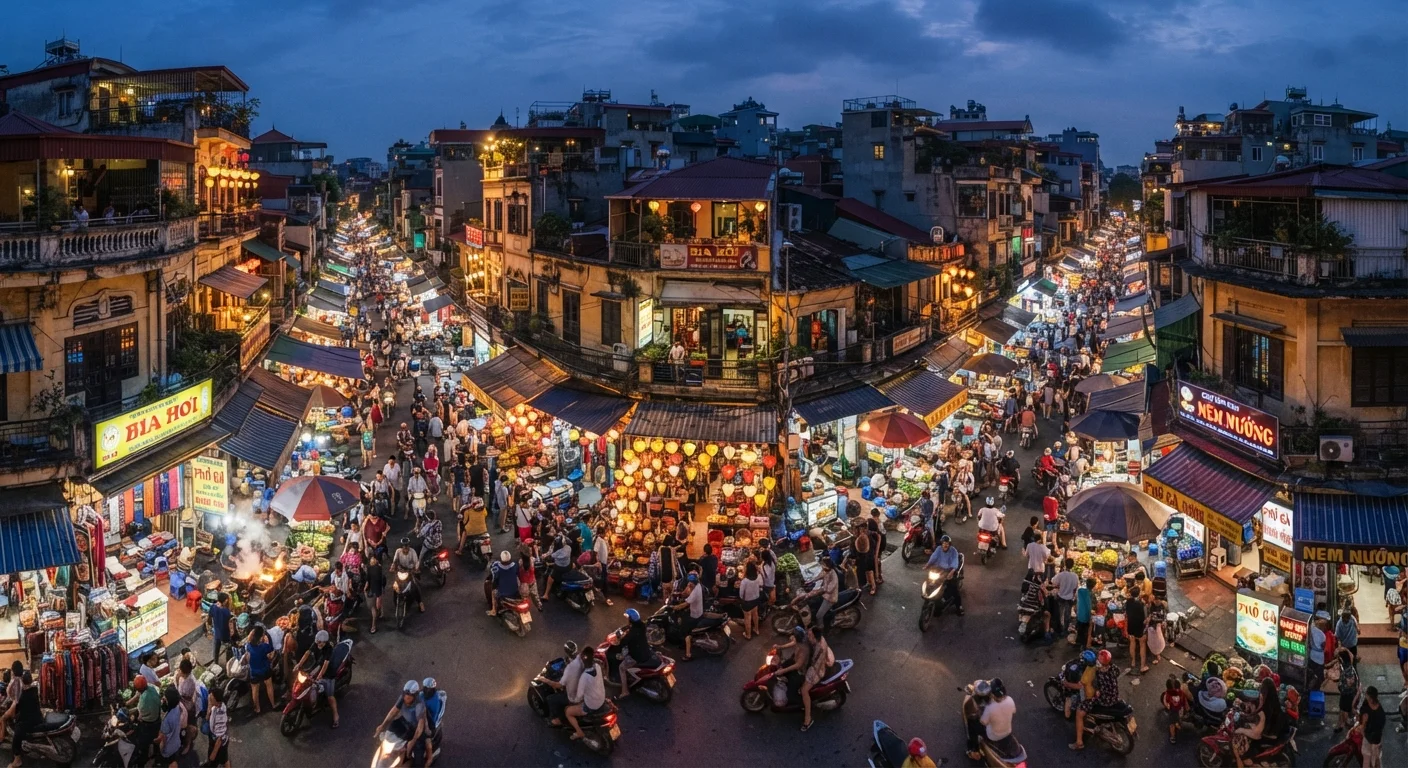
Climate, currency, cultural norms, transportation, and health considerations all shape a Southeast Asia trip. Here's what actually matters before you go.
Key Takeaways
Visa rules vary by country and nationality: verify each one through official government sources before booking.
The region spans multiple climate zones, so packing depends heavily on your specific destinations and travel dates.
Cash is still the primary payment method in many areas, even where card acceptance has grown.
Health prep, including vaccines and prescriptions, should start at least 6 to 8 weeks before departure.
Cultural norms around dress and behavior differ meaningfully between countries and even between urban and rural areas.
What this checklist covers
Southeast Asia spans eleven countries, each with its own entry requirements, currency, road rules, and cultural expectations. A trip through Thailand, Vietnam, and Cambodia involves three separate visa situations, three currencies, and noticeably different local customs. This checklist treats that variety as the starting point, not a footnote.
Work through each section at least six to eight weeks before departure. Some items, particularly health prep and visa applications, require lead time. The research checklist for visiting a new country covers the general framework; what follows applies it to Southeast Asia specifically.
Entry requirements
Check visa rules for each country you plan to visit, using your home country's official foreign affairs website and the destination country's immigration authority. Rules change, and third-party summaries go stale.Must
Apply for any required visas, e-visas, or visa-on-arrival pre-approvals before booking non-refundable travel. Processing times vary from minutes to several weeks.Must
Confirm your passport has at least six months of validity beyond your last planned departure date, and has enough blank pages for entry stamps.Must
Health preparation
Book an appointment with a travel medicine clinic or your primary care provider at least 6 to 8 weeks before departure to discuss recommended vaccines and any destination-specific health risks. This is general guidance: your provider will assess your individual situation.Must
Ask your provider about malaria risk in the specific areas you are visiting: risk varies considerably by country, region, and season.Must
Pack a basic travel health kit including oral rehydration salts, water purification tablets, and any prescription medications with enough supply for your full trip plus a buffer.Should
Review your health insurance coverage for international care and consider travel insurance that includes medical evacuation, particularly for remote or rural itineraries.Should
Climate and packing
Look up the climate zone and seasonal conditions for each destination during your specific travel dates: the region includes tropical, monsoon, and highland climates that behave very differently.Must
Pack loose, breathable, modest clothing that covers shoulders and knees for temple visits and rural areas. Many sites will not admit visitors otherwise.Must
Bring a compact rain layer regardless of season: afternoon downpours occur year-round in much of the region.Should
Money and connectivity
Research the local currency for each country and identify where ATMs are reliably available along your route. Notify your bank of travel dates to avoid card blocks.Must
Carry some local cash at all times: card acceptance is uneven, and many markets, street food stalls, and rural guesthouses are cash-only.Must
Buy a local SIM card on arrival at a major airport or convenience store for affordable data. International roaming plans from US carriers are typically far more expensive.Should
Cultural norms and safety
Research the dress codes, temple etiquette, and tipping customs specific to each country you are visiting: expectations in Buddhist Thailand differ from those in Muslim-majority areas of Indonesia or Malaysia.Must
Check your government's current travel advisories for each destination before departure and again close to your travel date. The US State Department publishes country-level advisories at travel.state.gov.Must
Verify road rules if you plan to rent a scooter or motorbike. International driving permits are required in some countries, and local traffic patterns can be disorienting for first-time visitors. Many travelers opt for hired drivers or rideshare apps instead.Should
Save the address of your country's nearest embassy or consulate in each destination, along with local emergency numbers, in a document you can access offline.Should
Logistics and transport
Research the main transport options between your destinations: overnight trains, budget airlines, ferries, and long-distance buses each have different booking windows, comfort levels, and reliability records.Must
Confirm baggage allowances for any budget airlines in your itinerary: low-cost carriers in the region often charge separately for checked luggage, and allowances are sometimes as low as 7 kg for carry-on.Should
A few things worth knowing before you start
Costs in Southeast Asia vary more than many first-timers expect. Daily expenses in Singapore can run five to ten times higher than in Cambodia or Laos. Building a realistic budget means costing each destination separately. The full breakdown of travel budget categories is a good companion here, especially for expenses like visas, SIM cards, and local transport that often get missed.
Visa-on-arrival is not guaranteed
Several countries in the region offer visa-on-arrival options, but eligibility depends on your nationality and can change without much notice. Do not assume availability applies to you: confirm through official sources before you travel, and arrive with backup documentation if required.
If you are traveling alone, the reality of solo travel in practice addresses many of the assumptions people bring to the region before their first trip.
Author
Travel & Adventure Editorial Team
Travel & Adventure Editorial Team is the collective byline for our editorial team and contributor network. Articles published under this byline or an editorial pen name are researched, written, and reviewed according to our editorial standards for clarity, consistency, and independence before publication.
All published content on this website is for informational and educational purposes only and should not be taken as professional advice. We recommend that readers seek expert opinion before making any decisions. The website is not responsible for any actions taken based on the information provided on this website. We are not liable for any inaccuracies, modifications, or omissions in information. Moreover, external links or third-party content are provided for convenience; we are not liable for their correctness. Users are advised to verify every piece of information before they use it for any purpose.