
Misconceptions About Traveling Solo That Keep People from Going
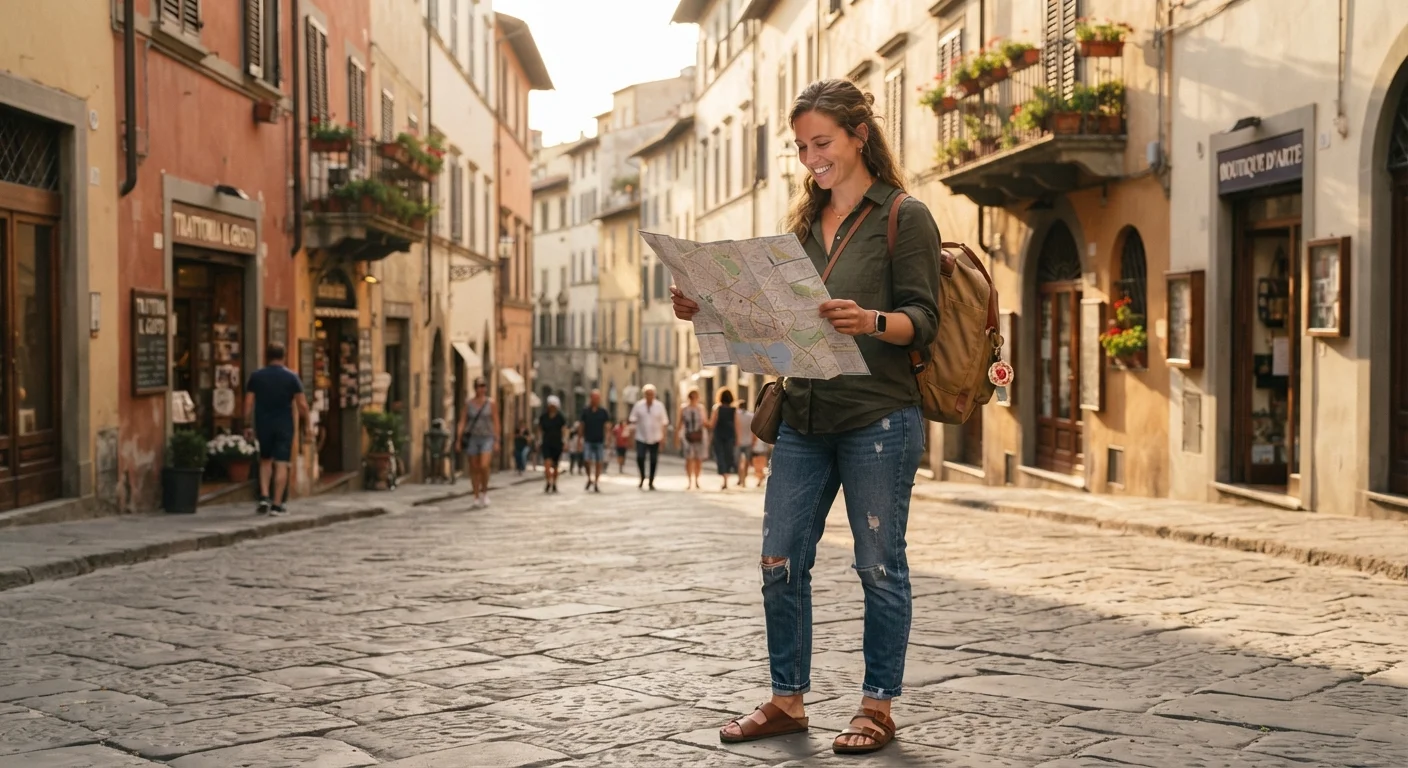
Photo credit: readerspanel.com
Common assumptions about solo travel, from safety to loneliness, often don't hold up. Here's what the reality tends to look like for first-time solo travelers.
Key Takeaways
- Solo travel is not inherently more dangerous than group travel when basic precautions are followed.
- Loneliness is far less common than expected; solo travelers report meeting people more easily than in groups.
- Solo trips are not always more expensive, and flexible budgeting can actually reduce costs.
- Women travel solo safely to hundreds of destinations worldwide with the right preparation.
- First-time solo travelers consistently report the experience as more manageable than they anticipated.
Why these assumptions persist
Most misconceptions about solo travel share a common structure: they take a real variable (safety, cost, social connection) and treat the worst-case version as the default outcome. That framing gets reinforced by well-meaning family members, news coverage that disproportionately features negative travel incidents, and cultural scripts that associate solo activity with risk or failure.
The result is that many people who want to travel alone talk themselves out of it before booking anything. The myths below are the ones that come up most consistently, and each one holds up worse than it sounds once you look at how solo travel actually works in practice. For a broader look at planning assumptions that do not survive scrutiny, see common trip-planning myths debunked.
Myth
Solo travel is dangerous because you have no one to watch your back.
Fact
Risk is real in travel, but traveling alone does not multiply it. Awareness and preparation matter far more than the number of people in your party.
Group travel creates its own security gaps: shared distraction, diffused responsibility, and the assumption that someone else is paying attention. Solo travelers tend to stay more alert, make deliberate choices about where they go, and rely on local knowledge rather than group consensus. Basic habits - telling someone your itinerary, keeping digital copies of documents, staying aware in crowded transit zones - apply whether you travel with one person or ten.
The idea of constant danger also ignores how most travel days actually go: transit, meals, sightseeing, conversations with locals, sleep. Statistically ordinary stuff.
Myth
You will feel lonely the entire time.
Fact
Solo travelers consistently report that traveling alone makes it easier, not harder, to connect with other people.
When you travel with a group, you face inward. Conversations stay within the party, and strangers have less reason to approach. A solo traveler at a hostel common table, a cooking class, or a guided tour is an open invitation for interaction. Many solo travelers describe unexpected friendships as the most memorable part of a trip.
That said, solitude and loneliness are different things. Some solo travelers actively seek quiet time and find it restorative. Others plan itineraries heavy with group activities. Both are legitimate, and the choice stays entirely with you. See how solo planning differs from group planning if you want a clearer picture of what each approach actually requires.
Myth
Solo travel costs twice as much because you pay single supplements everywhere.
Fact
Single supplements exist in some categories, particularly cruises and some package tours, but much of solo travel has no such penalty.
Flights, hostels, guesthouses, street food, local transport, free museums, and hiking trails all cost the same per person whether you are traveling alone or not. Single supplements are a factor in specific booking categories, and savvy travelers can often work around them: private rooms in hostels, apartment rentals, and shoulder-season timing all shift the math.
Solo travel also removes the cost of compromise. You spend money on what you actually want, skip what you do not, and change plans without negotiation. A thorough travel budget still needs to account for meals, activities, and transport, but the total is often competitive with group trips.
Myth
Solo travel is really only for young backpackers.
Fact
Solo travelers span every age group. Adults in their 40s, 50s, 60s, and beyond travel alone regularly and for a wide range of purposes.
The demographic reality of solo travel has broadened considerably. Retirees use solo travel to move at their own pace after decades of coordinating around others' schedules. Mid-career professionals take solo trips to decompress. Divorced or widowed adults rediscover travel on their own terms. Age affects what you pack and how you pace yourself, not whether the experience is available to you.
Accommodation and activity options now explicitly serve solo adult travelers, from upscale solo-friendly hotels to small-group tours designed for independent adults who want structure without sacrificing autonomy.
Myth
Women cannot travel safely alone, especially internationally.
Fact
Women travel solo internationally every day across hundreds of destinations. Safety varies by location and context, not by gender alone.
This misconception does real harm because it stops people before they start. The practical reality is that destination choice, neighborhood awareness, transport decisions, and local dress norms all shape the experience far more than the fact of traveling alone. Many destinations are particularly welcoming to solo female travelers and have well-developed tourism infrastructure that makes navigation straightforward.
That does not mean ignoring gender-specific risks where they exist. Researching local norms, connecting with communities of experienced female solo travelers, and making deliberate choices about accommodations and after-dark activities are all reasonable steps. The goal is informed preparation, not avoidance.
Myth
You need to be an experienced traveler before going solo.
Fact
Many people take their first solo trip as their first international trip. Experience helps, but it is not a prerequisite.
First-time solo travelers regularly report that the trip was more manageable than anticipated. Modern travel infrastructure, translation apps, and widely available local guidance reduce the friction of navigating unfamiliar places. Choosing a destination with good tourist infrastructure and clear transit options makes a first solo trip more forgiving without making it less rewarding.
Destinations like Southeast Asia have well-worn solo travel circuits precisely because the region has long accommodated independent travelers of all experience levels. Starting somewhere with solid infrastructure and a clear backpacker trail is a practical strategy, not a compromise.
What this means for planning your first solo trip
Clearing out bad assumptions does not mean pretending solo travel has no trade-offs. Pace, decision fatigue, and accommodation logistics all look different when you are the only person managing them. The planning process shifts in specific ways that are worth understanding before you go, not after.
Destination choice matters early. A city with legible public transit, walkable neighborhoods, and a range of accommodation types smooths the learning curve considerably. Mexico City, for example, rewards travelers who understand its scale and variety up front. The balance between urban and nature-focused travel is another variable worth thinking through before you commit to an itinerary.
Verify safety and entry conditions before you go
No article can replace official guidance on safety, visa requirements, or entry rules. Before any solo trip, check current travel advisories from the U.S. Department of State and verify entry requirements directly with the destination country's official sources. Conditions change, and published articles cannot reflect real-time updates.
If the idea of solo travel appeals but the pace feels uncertain, slow travel is worth considering. Moving less often, spending more time in fewer places, and building flexibility into your schedule can make the solo experience feel less logistically demanding and more genuinely exploratory.

Author
Travel & Adventure Editorial Team
Travel & Adventure Editorial Team is the collective byline for our editorial team and contributor network. Articles published under this byline or an editorial pen name are researched, written, and reviewed according to our editorial standards for clarity, consistency, and independence before publication.
View all articles →