
What First-Time Visitors to Mexico City Often Get Wrong
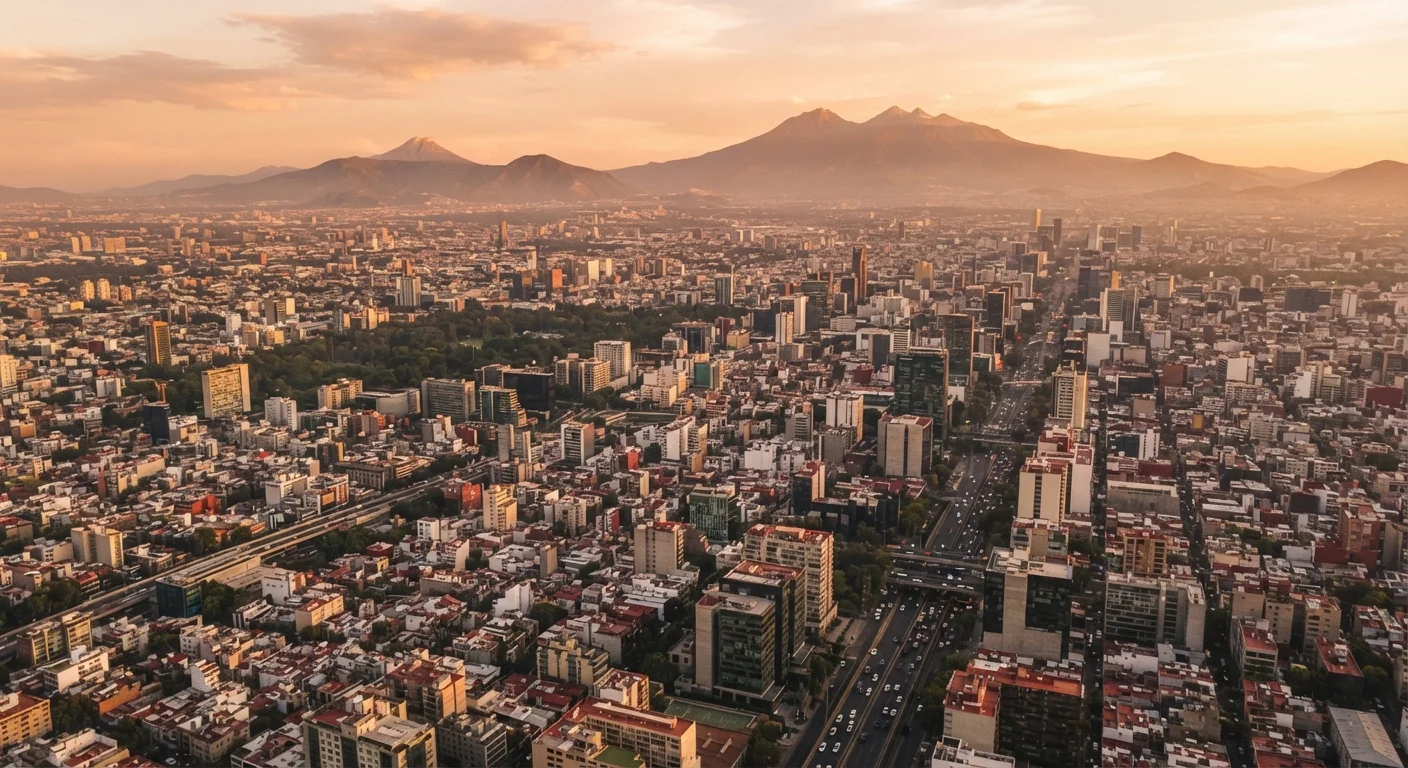
Photo credit: readerspanel.com
In this article
From underestimating the city's size to skipping its world-class museums, here are the assumptions and missteps that shape a less rewarding visit.
Key Takeaways
- Mexico City's size and elevation both require advance planning that most first-timers skip.
- Many visitors limit themselves to a handful of tourist zones and miss the city's depth.
- Tap water is not safe to drink in Mexico City; this is a consistent, non-negotiable fact.
- The metro system is affordable and reliable, but navigating it takes a little preparation.
- Safety conditions vary significantly by neighborhood, so broad assumptions lead to poor decisions.
Why Mexico City trips go sideways before they start
Mexico City rewards preparation more than almost any other destination in the Americas. Its scale, elevation, and neighborhood variety mean that a visitor operating on assumptions, whether too cautious or too casual, tends to come home with a much thinner experience than the city actually offers.
The mistakes below come from patterns that repeat across first-time visitors: assumptions borrowed from other destinations, gaps from incomplete research, and habits that work fine at sea level but fail at 7,350 feet. Most are easy to fix once you know to look for them. A little upfront work, including checking common trip-planning myths before you book, closes most of the gap.
Treating the city as a single, walkable neighborhood rather than a vast metropolis.
Why it happens: Photos of Roma Norte and Condesa give the impression of a compact, strollable city, which leads visitors to underestimate distances between areas they want to see.
Ignoring altitude and pushing a full activity schedule on day one.
Why it happens: Visitors flying in from coastal cities don't feel altitude sickness coming until they're already exhausted or headachy, usually after a big first day.
Drinking tap water or assuming bottled water everywhere is free.
Why it happens: Visitors from countries with reliably drinkable tap water simply default to the same habits they have at home.
Staying only in Polanco or the Historic Center and skipping other colonias (neighborhoods).
Why it happens: Travel content tends to concentrate on the same few zones, and visitors default to what feels familiar or heavily recommended.
Skipping the world-class museum circuit because it feels like obligatory sightseeing.
Why it happens: Some visitors assume museums are interchangeable filler, especially after seeing a few underwhelming ones elsewhere.
Applying blanket safety assumptions, either dismissing the city entirely or ignoring real neighborhood variation.
Why it happens: Secondhand accounts and headlines flatten a city of 21 million into a single risk category, which leads to either excessive avoidance or careless overconfidence.
Getting the most out of what the city actually is
Mexico City has more museums than almost any city in the world, a metro system that moves millions of people efficiently every day, and a food culture that ranges from market stalls to some of the most recognized restaurants in the Western Hemisphere. None of that is accessible to a visitor who spends four days in a 10-block radius.
21+ million
Greater Mexico City metropolitan population
Mexico City's metro area is one of the largest in the Western Hemisphere, according to UN population data.
7,350 ft
Elevation of Mexico City above sea level
The city sits at roughly 2,240 meters, high enough to cause altitude-related fatigue in visitors arriving from sea level.
150+
Museums in the city
Mexico City has one of the highest concentrations of museums of any city in the world, per UNESCO cultural data.
The city also has real logistical complexity. Spanish fluency is not required, but knowing a few dozen phrases and understanding how to read metro line maps before you arrive saves time and frustration. Many visitors also overlook the fact that Mexico City's food and market scenes extend well beyond tourist corridors, and that eating where locals eat tends to produce better meals at lower prices.
If you're traveling solo, many of the assumptions that hold people back from going at all don't apply here either. Our piece on solo travel misconceptions addresses several fears that the reality of Mexico City tends to disprove.
This article is for general travel information purposes only. Conditions, safety situations, and entry requirements can change. Always verify current travel advisories, visa rules, and health guidance with official government sources and your own healthcare provider before traveling.

Author
Travel & Adventure Editorial Team
Travel & Adventure Editorial Team is the collective byline for our editorial team and contributor network. Articles published under this byline or an editorial pen name are researched, written, and reviewed according to our editorial standards for clarity, consistency, and independence before publication.
View all articles →