
Planning Around Overtourism: How to Experience Famous Destinations Without the Worst of the Crowds
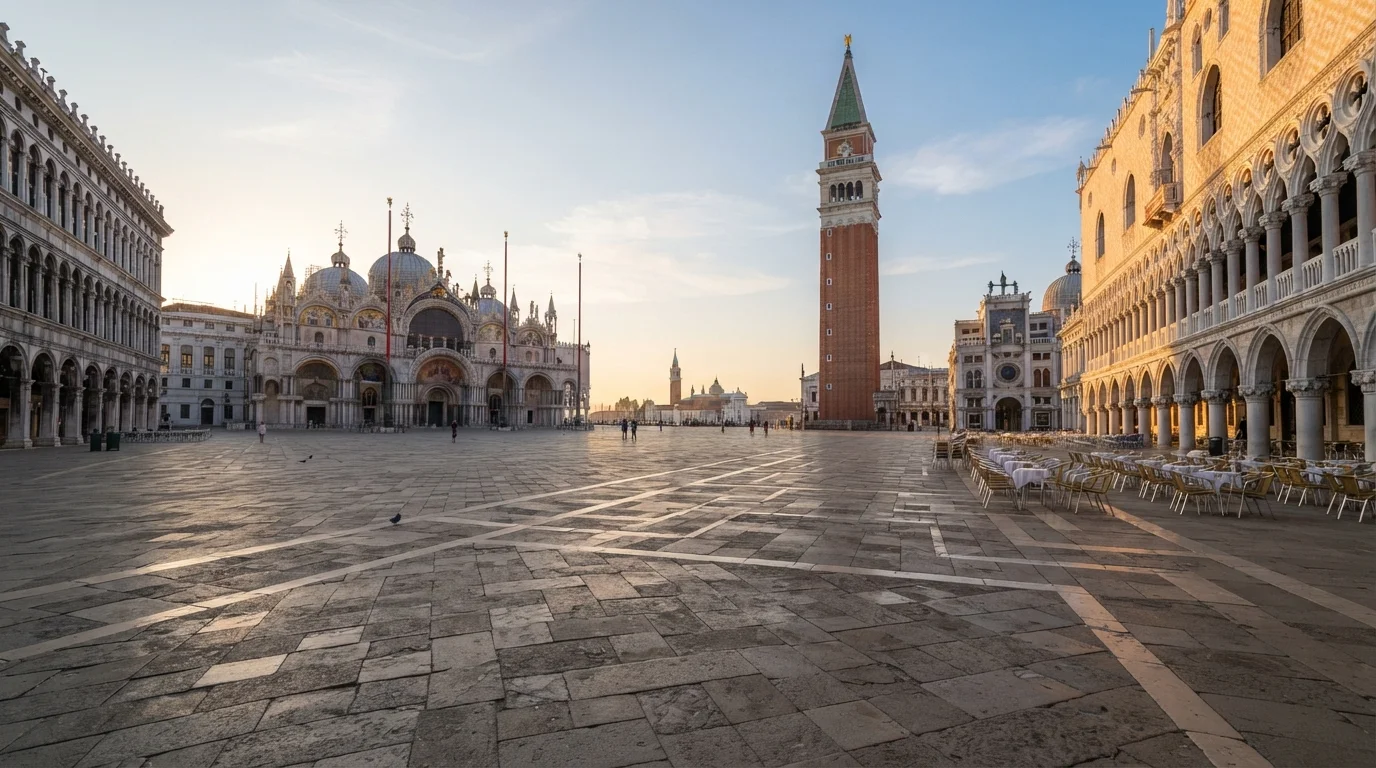
Photo credit: readerspanel.com
In this article
Overcrowded landmarks don't have to define your trip. Learn timing strategies, alternative sites, and habits that help you engage more meaningfully.
Key Takeaways
- Visiting famous sites during off-peak hours or shoulder seasons reduces crowds without sacrificing the experience.
- Secondary sites near famous landmarks often deliver comparable experiences with far fewer visitors.
- Timed-entry reservations, where available, give you a predictable window and cut wait times significantly.
- Spreading your visit across a destination's lesser-known neighborhoods reduces your impact and broadens what you see.
- Good destination research before you arrive is the foundation of any crowd-avoidance strategy.
Why overtourism is worth planning around
A line stretching two hours to see a 15-minute sight is not a bad-luck anomaly. At many of the world's most photographed places, it is the default condition on most days of the year. Overtourism, the point at which visitor numbers strain infrastructure, degrade the site, and diminish the experience for everyone, now shapes travel reality at places ranging from Venetian canals to Machu Picchu to certain national park trails in the American Southwest.
The good news is that crowd pressure is rarely uniform. It concentrates at predictable times, in predictable spots. Understanding those patterns turns a frustrating visit into a genuinely rewarding one. The research you do before you arrive determines how much of this you can actually use.
Proven practices for navigating crowded destinations
The following approaches work across a wide range of destinations. Mix and match them based on your trip structure.
Arrive at major sites within the first hour after opening
Crowd volume at popular landmarks typically builds from mid-morning and peaks between 10 a.m. and 3 p.m. The hour immediately after opening is consistently quieter at sites worldwide. You also get better light for photos and more space to move without managing other people.
Book timed-entry tickets as far in advance as the site allows
Many high-demand sites now require advance reservations that assign you a specific entry window. Booking early locks in your preferred time and removes the uncertainty of day-of queues. It also signals to site managers how demand is distributed, which helps them plan capacity.
Travel during shoulder season rather than peak weeks
Shoulder season, the weeks just before or after the busiest period, typically offers meaningfully lower visitor numbers with only modest trade-offs in weather or access. Prices for accommodation and transport are often lower as well, though conditions vary by destination.
Identify secondary sites that share the appeal of the flagship attraction
Every famous site has lesser-known equivalents nearby that offer a comparable experience with a fraction of the crowds. Seeking these out before you travel means you have a genuine alternative rather than a fallback.
Spend nights in smaller towns rather than the primary tourist hub
Day-trippers drive a large share of the crowd at famous sites. Staying nearby but outside the main hub means you can reach the site early or late, after day crowds thin, and your accommodation spending goes to a community that sees less tourism revenue.
For a broader look at how your itinerary structure affects your experience on the ground, see the guide to building itineraries that hold.
Quick actions you can take right now
If you are still deciding how tightly to structure your trip, the comparison of flexible vs. fully booked itineraries lays out the real trade-offs clearly.
Looking beyond the landmark
The pull of famous sites is real, and there is nothing wrong with wanting to see them. The problem is treating the landmark as the whole destination. Most places with overtourism pressure also have neighborhoods, towns, and regions nearby that receive a fraction of the foot traffic and reward slower attention. Japan is a clear example: the crowds at Kyoto's most photographed temple are avoidable by choosing a different district entirely, as the case for Japan's lesser-known regions makes clear.
This same logic applies to cities. Spreading time across less-visited districts reduces pressure on the iconic spots and puts you closer to how a place actually functions day to day. Slow travel formalizes this instinct into a trip structure, though you do not need to commit to the full philosophy to benefit from the principle.
The balance between urban exploration and nature-focused travel is also worth weighing here. Mixing city time with outdoor time naturally distributes your days across different types of sites, which cuts the hours you spend in any single congested spot.

Author
Travel & Adventure Editorial Team
Travel & Adventure Editorial Team is the collective byline for our editorial team and contributor network. Articles published under this byline or an editorial pen name are researched, written, and reviewed according to our editorial standards for clarity, consistency, and independence before publication.
View all articles →