
Everything You Need to Know About Building a Sustainable Fitness Habit
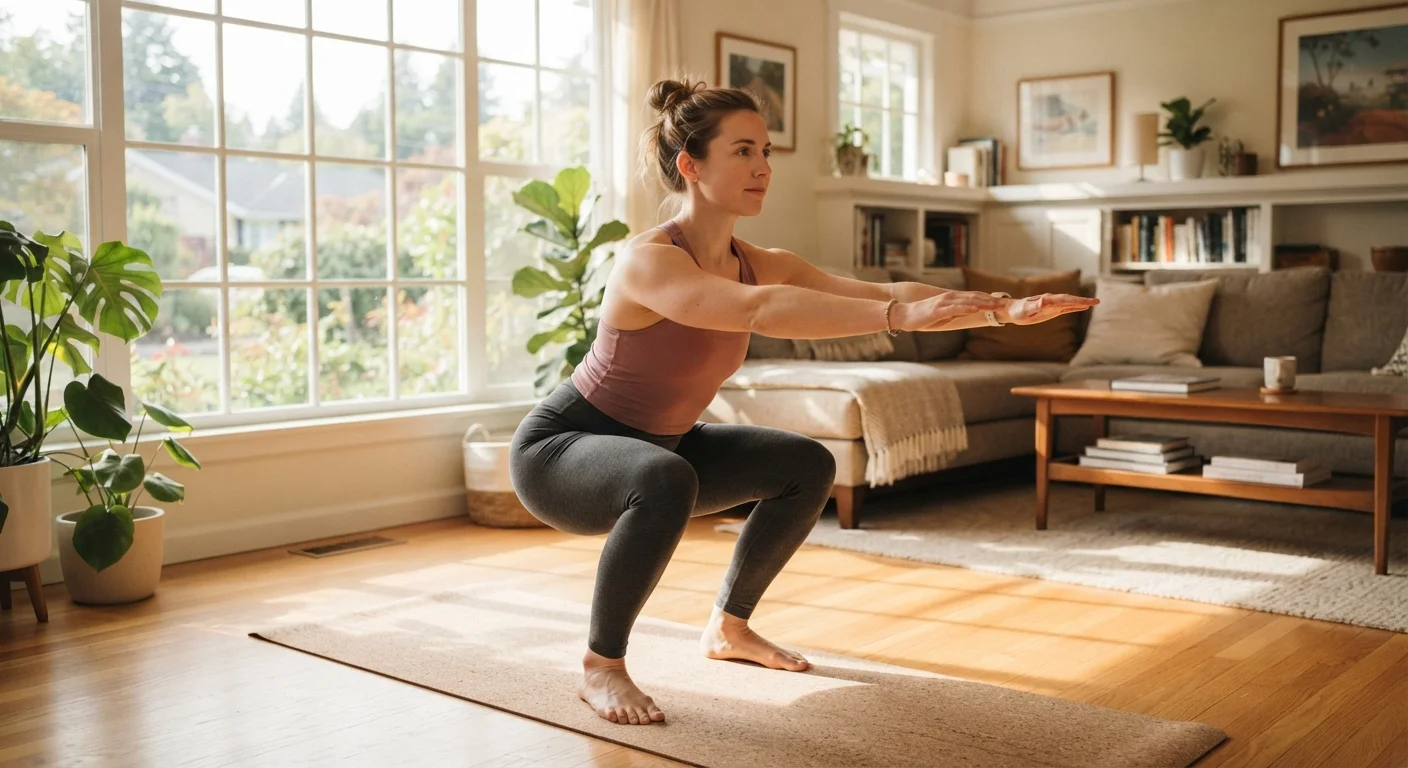
Photo credit: readerspanel.com
In this article
From mindset to scheduling, this end-to-end guide covers the principles and practical steps behind making exercise a lasting part of everyday life.
Key Takeaways
- Consistency over intensity is what builds a lasting fitness habit.
- Scheduling exercise like a fixed appointment reduces decision fatigue.
- Everyday activities such as stair climbing and yard work provide real fitness value.
- Missing one day does not break a habit; missing two weeks might.
- You do not need a gym membership to build sustainable physical activity.
- Nutrition and movement work together; improving one often motivates the other.
Why most fitness habits collapse early
Research on behavior change consistently shows that most people abandon new exercise routines within the first four to eight weeks. The reasons are predictable and fixable. People often start too ambitiously, choosing a schedule or intensity that does not fit their actual life. When one session gets missed, the guilt that follows can make skipping the next one easier, and the pattern unravels quickly.
Common patterns behind early dropout include setting vague goals, relying on motivation rather than systems, and choosing activities that feel like punishment. If your chosen workout feels like something to survive, you will stop doing it the moment life gets complicated.
Understanding why habits fail is the first step toward building one that does not. The goal is not to be tougher or more disciplined; it is to design a routine that creates less friction.
The mindset shift that changes everything
Sustainable fitness starts with a single reframe: exercise is not a correction for how your body currently looks or functions. It is maintenance, the same way sleep and eating are maintenance. When you treat movement as something your body needs rather than something it has earned or deserves, consistency becomes much easier to justify on ordinary days.
Choose a starting frequency you could maintain even during your busiest week, not your average week. Two sessions you actually complete beat five you skip.
Behavior change research shows that early success builds self-efficacy, the belief that you can follow through, which predicts long-term adherence better than initial intensity does.
Set a floor, not a ceiling. Decide that your minimum is a ten-minute walk, and give yourself full credit for hitting it. On good days you will naturally do more.
Having a defined minimum reduces the all-or-nothing thinking that causes people to skip entirely when they cannot complete a full planned session.
This shift also changes how you measure progress. Instead of tracking weight or appearance, focus on behavior. Did you move today? Did you move more days this week than last month? Those are the numbers that predict long-term success. Starting from zero is completely normal, and building incrementally from wherever you are now produces better outcomes than chasing someone else's standard.
Perfectionism is a particular trap. A ten-minute walk on a busy Tuesday is not a failure; it is a deposit. Habits are built through repetition, not through peak performances.
How to schedule exercise when life is already full
Waiting until you have time to exercise means it will not happen. Time for exercise is made, not found. The most reliable method is treating a workout slot the way you treat a work meeting: it has a start time, it is on a calendar, and canceling it requires a reason rather than just a mood.
Research on habit formation suggests that attaching a new behavior to an existing anchor (called habit stacking) dramatically improves follow-through. A ten-minute stretch right after your morning coffee, or a walk immediately after lunch, requires no additional scheduling because it rides on something you already do every day.
You do not need long blocks. The U.S. Department of Health and Human Services Physical Activity Guidelines for Americans note that moderate-intensity activity can be accumulated in shorter bouts throughout the day, with the same general health benefit. Three ten-minute walks count. A home bodyweight routine structured around your actual schedule is more likely to survive a busy week than a gym plan that assumes you have ninety free minutes.
Movement that counts, even without a gym
One of the most common barriers to exercise is the belief that it only counts if it happens in a designated fitness space with specific equipment. That belief quietly keeps millions of people sedentary. In practice, the body responds to physical demand regardless of where it occurs.
Stair climbing, yard work, and brisk walking all produce measurable cardiovascular and muscular responses when done with some consistency and intention. Carrying groceries, playing with children, and cleaning the house are not replacements for structured exercise, but they are not nothing either. They contribute to your daily movement total in ways that add up over weeks and months.
For people who want more structure without a gym, both cardio and strength training can be done with bodyweight alone. Squats, lunges, push-ups, and walking serve the same biological functions as their machine-based equivalents. If running interests you, starting safely with appropriate pacing matters more than distance or speed.
Staying consistent through setbacks
Every fitness habit encounters disruption: illness, travel, a bad week at work, or just a stretch of low motivation. The difference between people who maintain long-term habits and those who do not is not that the former group avoids these disruptions. It is that they do not let a gap become a permanent stop.
A useful rule of thumb: one missed day is normal, one missed week is a warning, and two missed weeks requires active re-entry rather than just resuming where you left off. Re-entry means starting at a lower intensity or shorter duration than you were at before the break. This reduces the soreness and fatigue that often cause a second dropout.
Social accountability helps, but it does not have to mean a workout partner. Logging your sessions in a simple notebook or app, even just a checkmark, provides the same sense of continuity and visible streak that motivates follow-through. The record becomes its own reward over time.
Pairing nutrition with your new habit
Exercise and eating influence each other directly. People who begin moving more regularly often find that their appetite and food preferences shift gradually, without deliberate intervention. That said, understanding a few basic principles helps you support your new habit rather than work against it.
Adequate protein intake supports muscle repair after activity. Staying hydrated helps with energy during exercise and recovery afterward. Beyond those basics, rigid dietary rules tend to create the same boom-and-bust cycle that derails exercise habits. Sustainable eating looks very different from short-term restriction, and the same patience that builds a lasting fitness habit applies to food patterns as well.
For a broader look at balanced eating that complements regular movement, the nutrition and diet hub covers practical strategies grounded in current guidance. The two habits, movement and nourishment, reinforce each other when neither is treated as a punishment.
This article is for general informational purposes only and is not medical advice. Consult a qualified healthcare professional before beginning any new exercise program, especially if you have existing health conditions.

Author
Health & Wellness Editorial Team
Health & Wellness Editorial Team is the collective byline for our editorial team and contributor network. Articles published under this byline or an editorial pen name are researched, written, and reviewed according to our editorial standards for clarity, consistency, and independence before publication.
View all articles →