
Sodium in the American Diet: Where It Comes From and What to Watch
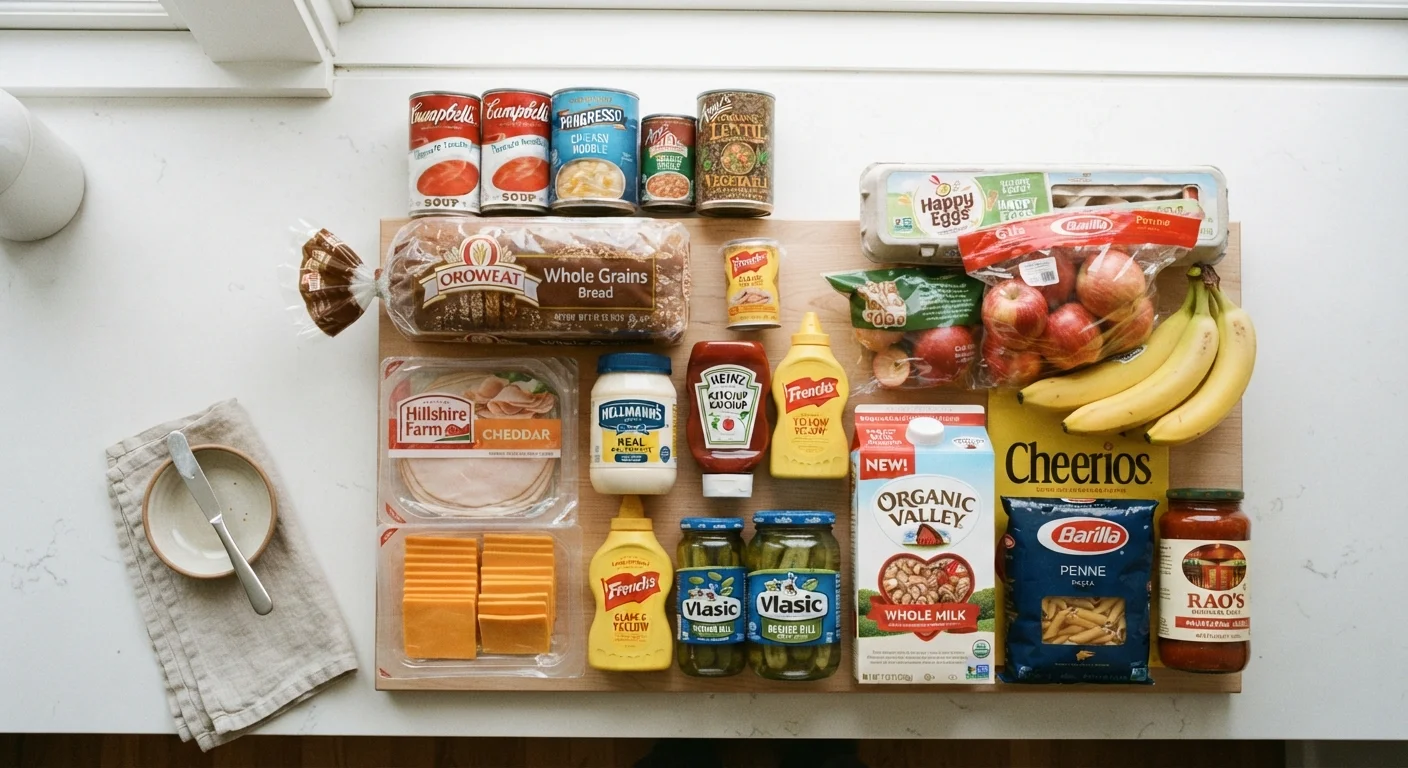
Photo credit: readerspanel.com
In this article
Most excess sodium comes from packaged and restaurant foods, not a salt shaker. Learn where it hides and why it matters.
Key Takeaways
- About 70% of sodium in the American diet comes from packaged and restaurant foods, not home cooking.
- Bread, deli meats, pizza, and soups are among the most common high-sodium foods Americans eat daily.
- Sodium hides in foods that do not taste salty, including breakfast cereals, cottage cheese, and canned vegetables.
- Reading the Nutrition Facts label is the most reliable way to compare sodium across similar products.
- Small, consistent swaps in everyday food choices can meaningfully reduce sodium intake over time.
Why the salt shaker gets too much blame
Many people trying to cut back on sodium start by pushing the shaker to the back of the cabinet. That is a reasonable instinct, but it addresses a small part of the problem. Research from the Centers for Disease Control and Prevention has found that roughly 70% of sodium in the American diet comes from processed and packaged foods, plus restaurant meals. Salt added at the table or during home cooking accounts for a much smaller share.
This matters because it changes where attention is most useful. If most of the sodium is already inside the food before it reaches your plate, seasoning habits are not the main lever to pull. Understanding the actual sources is the first step toward making changes that hold up in real life.
The foods that contribute the most sodium
The CDC has identified a consistent group of foods that together account for the largest share of sodium Americans consume. Bread and rolls top the list, not because any single slice is extremely high in sodium, but because most people eat bread multiple times a day. A few slices can add up quickly before lunch.
Other frequent contributors include:
- Cured and deli meats such as ham, turkey, and salami
- Pizza, particularly from delivery and frozen options
- Soups, both canned and restaurant-prepared
- Sandwiches and burgers from fast food and casual dining
- Savory snacks including chips, crackers, and pretzels
- Cheese
- Chicken dishes, especially breaded or marinated varieties
What makes this list worth paying attention to is that several of these foods are everyday staples, not obvious junk food. A turkey sandwich on whole wheat with a cup of canned soup is a meal many Americans consider healthy, yet the sodium total can approach or exceed the recommended daily limit in one sitting.
~70%
Share of sodium from packaged and restaurant foods
According to the Centers for Disease Control and Prevention, approximately 70% of American sodium intake comes from processed and commercially prepared foods.
3,400 mg
Average daily sodium intake for U.S. adults
U.S. dietary data indicates the average American adult consumes around 3,400 milligrams of sodium per day, nearly 50% above the 2,300 mg general guideline.
10
Food categories responsible for most U.S. sodium
The CDC has identified roughly 10 food categories, including bread, deli meats, and soups, that account for the majority of sodium Americans consume daily.
Sodium that hides in plain sight
Some of the most surprising sodium sources are foods that do not taste particularly salty. Cottage cheese, for example, often contains 300 to 400 milligrams per half cup. Breakfast cereals can carry 150 to 300 milligrams per serving, and some instant oatmeal flavors reach similar levels. Bread, again, rarely tastes salty at all, yet a single slice often contains 100 to 200 milligrams.
Condiments are another easy-to-overlook source. Soy sauce, Worcestershire sauce, ketchup, and salad dressings can each add hundreds of milligrams in amounts that feel small on the plate. Restaurant meals tend to run higher than home-cooked versions of the same dish, partly because commercial kitchens use salt at multiple stages of preparation.
The Nutrition Facts label on packaged foods lists sodium in milligrams per serving and as a percentage of the daily value based on 2,300 milligrams. Comparing labels on similar products, such as two brands of canned tomato soup, is one of the most direct tools available for reducing sodium without changing what you eat.
Practical swaps that do not require a strict diet
Reducing sodium intake does not mean overhauling every meal or giving up foods you enjoy. A few consistent habits can make a real difference over time without feeling restrictive.
Start with the foods you eat most often
Focusing on the items you buy or order regularly gives you the biggest return on a small effort. If you have soup several times a week, switching to a lower-sodium version has more cumulative impact than making a single restaurant meal perfect. Consistency across common choices matters more than occasional precision.
Choosing the lower-sodium version of a product you already buy is among the simplest adjustments. Many manufacturers offer reduced-sodium soups, broths, and canned beans that are otherwise identical to their standard counterparts. Rinsing canned beans and vegetables before use removes some of the sodium from the packing liquid.
Cooking more meals at home gives you direct control over what goes into a dish. Herbs, citrus juice, garlic, and vinegar can add flavor without adding sodium. When eating out, asking for sauces and dressings on the side lets you use less without skipping them entirely.
None of these steps require tracking every milligram. Building a few habits around the foods that contribute most, bread, deli meats, soups, and condiments, has more impact than trying to manage every item on the plate.
This article is for general informational purposes only and is not medical or dietary advice. If you have questions about sodium and your personal health, speak with a registered dietitian or your healthcare provider.
Frequently Asked Questions

Author
Health & Wellness Editorial Team
Health & Wellness Editorial Team is the collective byline for our editorial team and contributor network. Articles published under this byline or an editorial pen name are researched, written, and reviewed according to our editorial standards for clarity, consistency, and independence before publication.
View all articles →