
Why Your Brakes Are Squealing and When to Stop Ignoring It
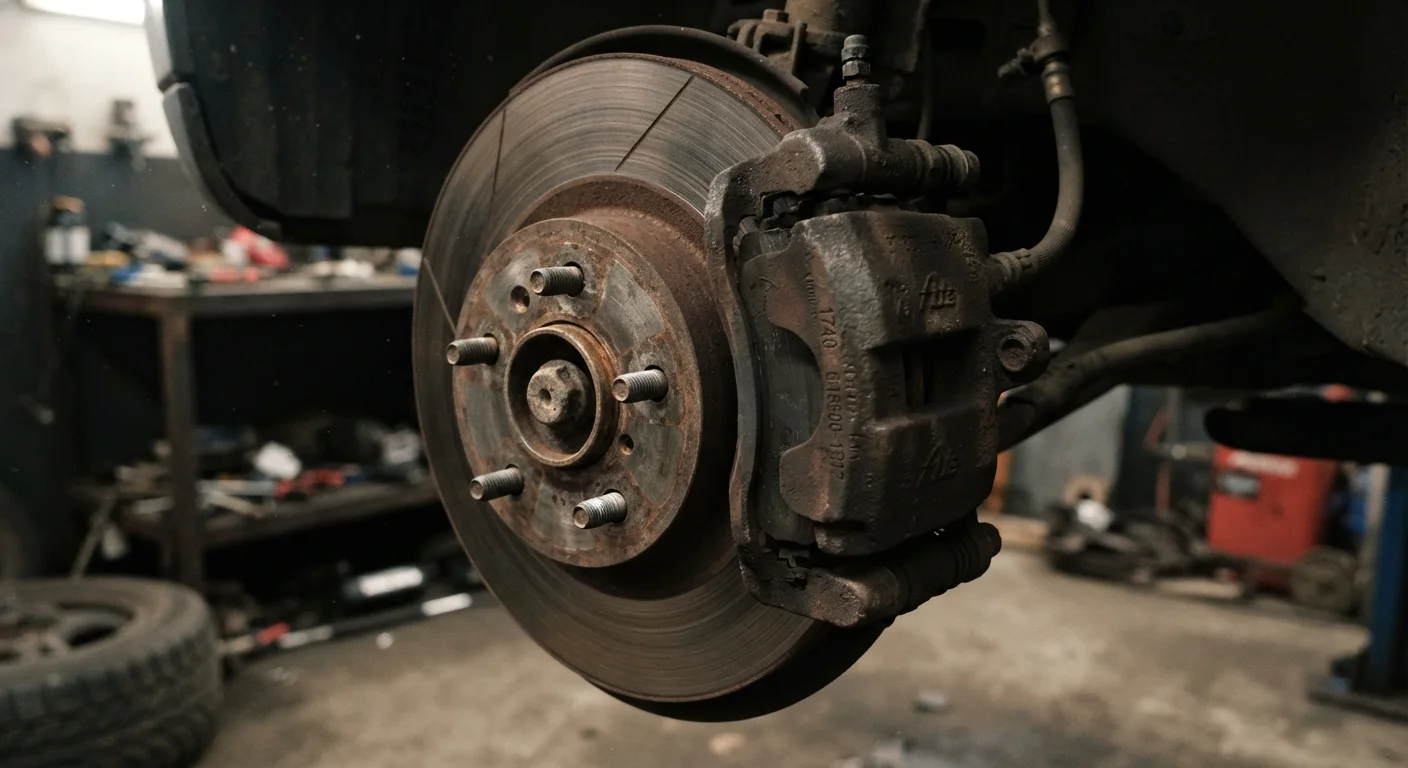
Photo credit: readerspanel.com
In this article
Squealing brakes aren't always an emergency, but they're never nothing. Learn the common causes and which sounds signal real trouble.
Key Takeaways
- A brief squeal in damp or cold conditions is usually harmless and stops once the brakes warm up.
- Continuous squealing, especially under normal dry conditions, often means the wear indicator is contacting the rotor.
- Grinding instead of squealing signals metal-on-metal contact: a more urgent and costly situation.
- Brake pad life varies widely by driving style, pad compound, and vehicle weight.
- Any brake noise that persists for more than a day or two should be inspected by a qualified mechanic.
What actually causes brake squeal
Brake pads contain a small metal tab called a wear indicator. When the pad wears down to roughly 2 to 3 mm of remaining material, this tab contacts the rotor and produces a deliberate high-pitched squeal. That sound is a built-in warning, not a malfunction.
Other sources of squeal have nothing to do with wear. Overnight rain or morning dew leaves a thin film of surface rust on the rotor face. The first few stops of the day scrub it off, and the noise disappears within a mile or two. Dust, dirt, or debris caught between the pad and rotor can produce a similar intermittent noise.
Glazed pads or rotors are another common source. When brakes overheat repeatedly, such as from frequent hard stops or riding the pedal on long descents, both surfaces can develop a hardened, glassy layer that vibrates at high frequency during contact. The noise sounds similar to a wear indicator but does not go away.
Check pads during every tire rotation
Most shops will assess brake pad thickness as part of a tire rotation at no additional charge. Scheduling a rotation every 5,000 to 7,500 miles gives you a regular window into brake wear without any extra appointments.
Pad compound matters too. Some performance-oriented semi-metallic pads are simply noisier than organic or ceramic compounds by design. If you recently had pads installed and noticed new noise, ask your mechanic what compound was used and whether it is suited to your driving pattern.
The noises that mean stop soon vs. stop now
Not all brake noise carries the same urgency. A quick squeal only during the first stop of a cold, damp morning is low concern. Squealing that starts the moment you touch the brake pedal and continues through every stop, regardless of weather, almost always means the wear indicator is active. That is a stop-soon situation: you have some remaining pad material, but weeks not months.
A scraping or grinding sound is a different category. Grinding means the pad friction material is fully gone and the metal backing plate is in direct contact with the rotor. Every stop at that point damages the rotor surface, turning what would have been a straightforward pad replacement into a rotor replacement as well. Rotors cost considerably more than pads. Grinding brakes also tend to reduce stopping performance, which is a safety concern.
Squealing that appears only when braking at highway speed but not at low speed, or squealing combined with a pulsing sensation through the brake pedal, can point to warped or unevenly worn rotors. Just as uneven tire wear tells you something about alignment or suspension, uneven rotor wear often points to a caliper or hardware issue worth diagnosing rather than simply replacing the pads.
How long brake pads actually last
Manufacturer estimates for brake pad life typically range from 25,000 to 65,000 miles, but that range reflects real differences in driving conditions. Stop-and-go city driving wears pads faster than highway miles. Heavier vehicles put more load on brakes. Aggressive driving habits, including late, hard stops, shorten pad life significantly. Towing adds even more wear.
There is no substitute for a visual inspection. Many shops check pad thickness during routine tire rotations, and that check costs nothing at most service facilities. Pads with 3 mm or less of remaining material are approaching replacement territory. Below 2 mm, replacement is overdue.
What to do when the squeal starts
If the noise appeared this morning after an overnight rain and stopped after a few stops, monitor it. If it returns each morning and clears quickly, surface rust is the likely cause and inspection is not urgent.
If the squeal is consistent, get the brakes inspected. Most shops can assess pad thickness and rotor condition in under 30 minutes. A mechanic can also check whether the brake hardware, including the anti-squeal shims that sit between the pad and caliper bracket, is intact. Missing or worn shims are a common but overlooked source of brake noise on vehicles with higher mileage.
Do not ignore grinding. Driving on metal-on-metal contact degrades the rotor rapidly and can affect brake fluid heat management in severe cases. A mechanic should see the vehicle promptly.
For any work involving brake calipers, brake lines, or rotor replacement, a qualified mechanic should perform the service. Brakes are a safety-critical system, and improper installation can compromise stopping ability.
Frequently Asked Questions

Author
Automotive Life Editorial Team
Automotive Life Editorial Team is the collective byline for our editorial team and contributor network. Articles published under this byline or an editorial pen name are researched, written, and reviewed according to our editorial standards for clarity, consistency, and independence before publication.
View all articles →