
Committing to Short Workouts: What 10 to 20 Minutes of Exercise Can Realistically Accomplish
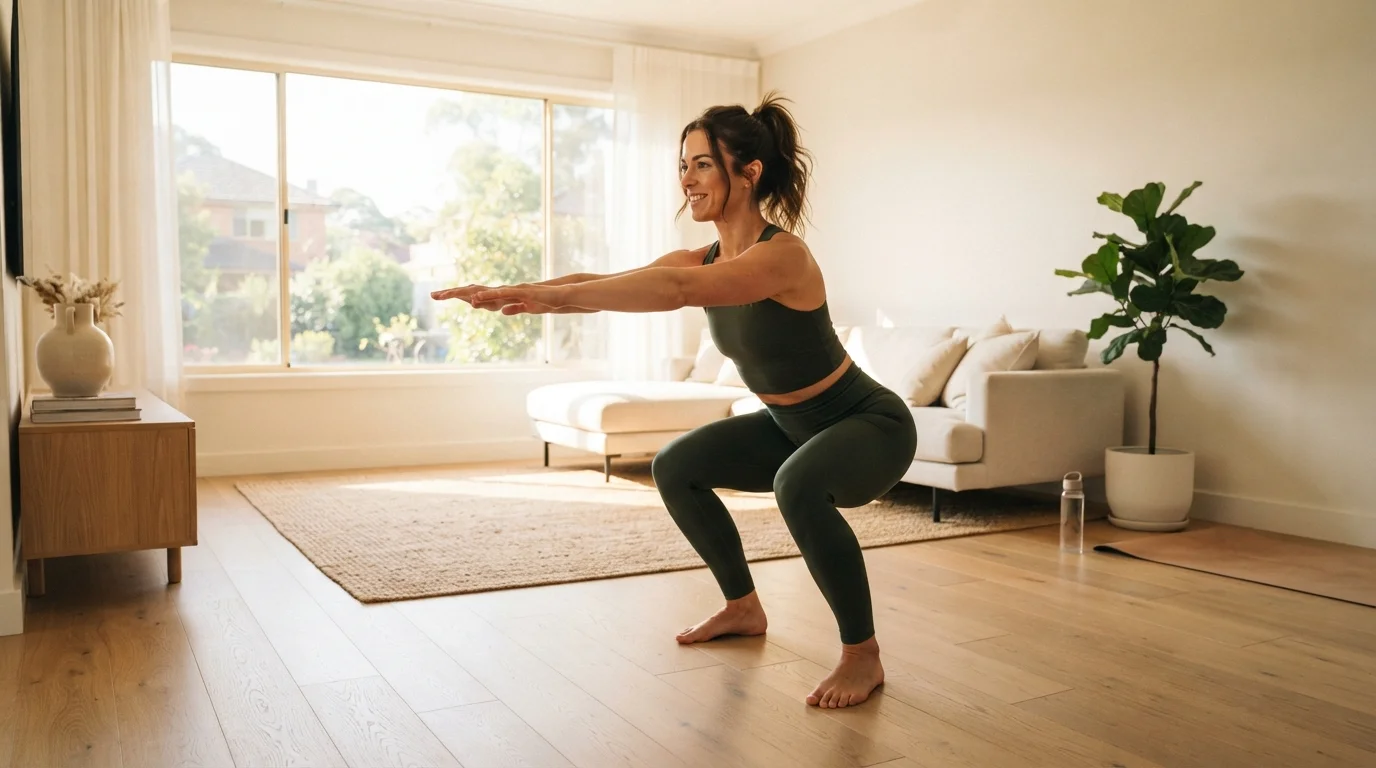
Photo credit: readerspanel.com
In this article
Short workouts are not a compromise. Here is an honest look at what brief daily exercise sessions can and cannot achieve for your fitness over time.
Key Takeaways
- Research supports that even 10 to 20 minutes of moderate exercise per day contributes to cardiovascular and metabolic health.
- Short sessions work best when they include some intensity, such as intervals or compound bodyweight movements.
- Brief workouts are unlikely to build significant muscle mass or support performance-focused goals on their own.
- Consistency over time matters more than session length for most general health outcomes.
- Short workouts can serve as a starting point, a complement to other activity, or a sustainable long-term habit depending on your goals.
- Always consult a healthcare professional before starting a new exercise routine, especially with existing health conditions.
Reduces barriers that cause people to skip exercise
A 10-minute commitment is harder to talk yourself out of than a 60-minute gym session. Lower friction means more days completed, and frequency is what drives long-term health outcomes.
Cardiovascular benefits are achievable in brief sessions
Research published in journals including the British Journal of Sports Medicine has found associations between short bouts of moderate-to-vigorous activity and reduced cardiovascular risk, even when those bouts are accumulated across a day.
Improves mood and reduces stress reliably
Exercise triggers the release of endorphins and reduces cortisol levels. These effects occur even after brief sessions, making short workouts useful for managing daily stress.
Supports blood sugar regulation
Short sessions of movement after meals, particularly involving large muscle groups, can help blunt post-meal blood glucose spikes. This benefit does not require long workouts.
No equipment or commute required
Bodyweight movements like squats, push-ups, and lunges can fill a 15-minute session effectively. Pairing this approach with a no-equipment routine removes every logistical excuse.
Insufficient volume for meaningful muscle growth
Building muscle requires progressive overload and enough training volume over time. Most 10 to 20-minute sessions cannot provide the stimulus needed for significant hypertrophy, particularly in experienced exercisers.
Falls short of physical activity guidelines for many adults
The U.S. Department of Health and Human Services recommends at least 150 minutes of moderate aerobic activity per week. A single daily 15-minute session provides about 105 minutes, leaving a gap if no other activity fills it.
Limited endurance adaptation
Aerobic capacity and endurance improve with sustained effort over time. Short workouts alone are not an effective preparation strategy for distance running, cycling events, or similar endurance goals.
Intensity matters, and beginners may undershoot it
To extract meaningful cardiovascular benefit from a short session, effort needs to be moderate to vigorous. Walking slowly for 12 minutes does not carry the same return as 12 minutes of brisk movement or intervals.
Can create a false sense of completion
If a short workout becomes a reason to avoid other movement throughout the day, total activity may actually decline. Short sessions work best as part of a generally active day, not a substitute for it.
What short workouts can genuinely do for you
Ten to twenty minutes of exercise is not a consolation prize. For most healthy adults, a consistent short session done with real effort can move several health markers in a useful direction.
Cardiovascular health is where the evidence is strongest. Research points to a clear relationship between regular moderate-to-vigorous activity and lower risk of heart disease, and the benefit does not require hour-long sessions. What matters most is that your heart rate rises and your breathing deepens, even briefly. Blood pressure, resting heart rate, and cholesterol profiles can all respond to this kind of regular stimulus over weeks and months.
Mood is another area where short workouts perform well. The neurochemical response to exercise, including endorphin release and cortisol reduction, happens relatively quickly. Many people report feeling noticeably better after even a 10-minute session. For anyone dealing with daily work stress, that is a meaningful return on a small time investment.
Metabolic health also responds. Short movement sessions, particularly after meals, can reduce post-meal blood glucose spikes. This does not require vigorous effort, just consistent movement involving the large lower-body muscle groups.
A note on intensity and effort
The benefits of short workouts scale with how hard you work. Moderate intensity generally means you can speak in short sentences but not hold a full conversation. Vigorous intensity means speaking is difficult. Adjusting effort is the primary way to get more out of a shorter session, but everyone's baseline differs. If you have a health condition or are new to exercise, check with your doctor before increasing workout intensity.
It is worth pairing intentional short workouts with a broader look at how much you move throughout the day. Adding movement to a desk job and counting everyday physical tasks as activity can close the gap between a short workout and a truly active day.
The real limitations you should account for
Short workouts have honest limits, and glossing over them does not help anyone plan a realistic fitness approach.
Muscle building requires training volume, meaning enough sets and reps over time to progressively challenge muscle tissue. A 15-minute session can maintain some strength, but it is unlikely to produce visible muscle growth on its own, especially in someone who has been exercising for more than a few months. For goals focused on hypertrophy, a short workout is a supplement, not a sufficient stimulus.
Endurance adaptation works similarly. Your aerobic system gets more efficient when it is stressed for sustained periods. A 12-minute session is enough to raise your heart rate, but it does not replicate the training demand of a 45-minute run. If you are preparing for any kind of distance event, short workouts will not carry you there alone.
There is also a common pattern worth naming: a short workout can feel like "done," which sometimes reduces overall movement for the rest of the day. The goal is for a brief session to complement an active day, not replace it. The reasons fitness routines fall apart often involve this kind of overestimation of what one element of a habit covers.
Reduces barriers that cause people to skip exercise
A 10-minute commitment is harder to talk yourself out of than a 60-minute gym session. Lower friction means more days completed, and frequency is what drives long-term health outcomes.
Cardiovascular benefits are achievable in brief sessions
Research published in journals including the British Journal of Sports Medicine has found associations between short bouts of moderate-to-vigorous activity and reduced cardiovascular risk, even when those bouts are accumulated across a day.
Improves mood and reduces stress reliably
Exercise triggers the release of endorphins and reduces cortisol levels. These effects occur even after brief sessions, making short workouts useful for managing daily stress.
Supports blood sugar regulation
Short sessions of movement after meals, particularly involving large muscle groups, can help blunt post-meal blood glucose spikes. This benefit does not require long workouts.
No equipment or commute required
Bodyweight movements like squats, push-ups, and lunges can fill a 15-minute session effectively. Pairing this approach with a no-equipment routine removes every logistical excuse.
Insufficient volume for meaningful muscle growth
Building muscle requires progressive overload and enough training volume over time. Most 10 to 20-minute sessions cannot provide the stimulus needed for significant hypertrophy, particularly in experienced exercisers.
Falls short of physical activity guidelines for many adults
The U.S. Department of Health and Human Services recommends at least 150 minutes of moderate aerobic activity per week. A single daily 15-minute session provides about 105 minutes, leaving a gap if no other activity fills it.
Limited endurance adaptation
Aerobic capacity and endurance improve with sustained effort over time. Short workouts alone are not an effective preparation strategy for distance running, cycling events, or similar endurance goals.
Intensity matters, and beginners may undershoot it
To extract meaningful cardiovascular benefit from a short session, effort needs to be moderate to vigorous. Walking slowly for 12 minutes does not carry the same return as 12 minutes of brisk movement or intervals.
Can create a false sense of completion
If a short workout becomes a reason to avoid other movement throughout the day, total activity may actually decline. Short sessions work best as part of a generally active day, not a substitute for it.
How to get the most out of brief sessions
Two factors determine how much a short workout delivers: intensity and consistency.
Intensity is the variable most people underuse. A 15-minute session at low effort produces modest cardiovascular benefit. The same 15 minutes at moderate-to-vigorous effort, such as interval circuits alternating between squat jumps, push-ups, and mountain climbers, produces substantially more. Structuring short sessions around compound movements that use multiple muscle groups at once is the most efficient use of limited time.
Consistency, over weeks and months, is where short workouts prove their worth. Doing 15 minutes four or five days a week outperforms doing 60 minutes once a week for most general health goals. A routine you actually complete is the only one that works. Building a sustainable fitness habit is largely about solving for completion rate, and short sessions have a structural advantage there.
For adults aiming to cover the recommended 150 minutes of weekly moderate activity, a 22-minute daily session is sufficient. That target is reachable within the 10 to 20 minute range if intensity is kept honest, or if short sessions are paired with daily walking or other incidental movement.
This article is for general informational purposes only and is not medical advice. Consult a qualified healthcare professional before beginning any new exercise program, particularly if you have an existing health condition.

Author
Health & Wellness Editorial Team
Health & Wellness Editorial Team is the collective byline for our editorial team and contributor network. Articles published under this byline or an editorial pen name are researched, written, and reviewed according to our editorial standards for clarity, consistency, and independence before publication.
View all articles →