
Digital Overload and Mental Fatigue: Recognizing the Pattern
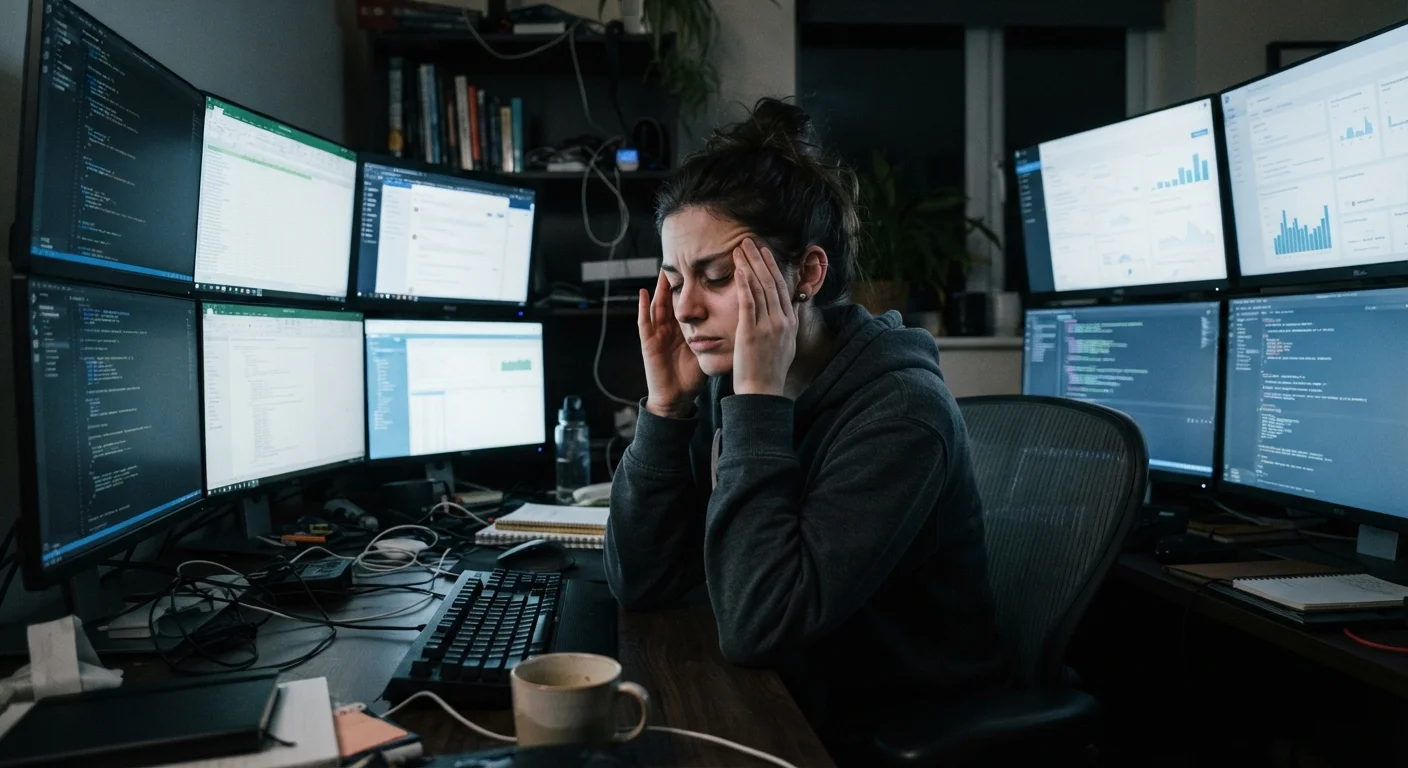
Photo credit: readerspanel.com
In this article
Screen time and constant notifications take a real toll on focus and mood. Learn to spot the signs of digital overload before burnout sets in.
Key Takeaways
- Digital overload builds gradually, so many people do not notice it until symptoms are already affecting daily life.
- Mental fatigue from screens shows up as irritability, difficulty concentrating, and trouble disconnecting, not just tiredness.
- The brain needs genuine unconnected time to consolidate attention and regulate mood.
- Small, consistent changes to how and when you use devices can reduce strain without requiring a full digital detox.
- If symptoms persist or significantly affect functioning, a healthcare professional can help assess what is going on.
Why digital overload feels so normal
Most people do not notice digital overload arriving. It seeps in gradually: one more tab, one more notification batch, one more scroll before bed. Because the experience is so common, many adults assume the resulting fatigue is just part of modern life rather than a sign that something needs to change.
The brain is not designed to process an unbroken stream of information. Attention is a limited resource, and every notification, message, or piece of content draws on the same pool. When that pool stays depleted day after day, the effects accumulate: concentration slips, emotional regulation gets harder, and the ability to feel genuinely rested diminishes. Sleep quality also suffers, compounding the problem further.
The pattern is worth recognizing early, because the longer it runs, the harder it becomes to attribute symptoms to their actual source.
Common signs of mental fatigue from screens
Digital overload does not look the same for everyone, but several patterns appear consistently.
- Difficulty holding attention on a single task, even when you want to focus
- Irritability or low frustration tolerance that seems out of proportion to events
- A compulsive urge to check devices during meals, conversations, or quiet moments
- Feeling mentally exhausted after relatively short work sessions
- Trouble winding down at night even when physically tired
- A sense of being perpetually behind, despite constant connectivity
These symptoms overlap with other conditions, including anxiety, depression, and sleep disorders. That overlap is exactly why this article is general health information and not a substitute for a conversation with a qualified healthcare professional if these patterns are significantly affecting your life.
Start with notifications, not screen time totals
Rather than trying to reduce total screen time immediately, start by auditing which apps send notifications and turning off any that do not require real-time responses. This single change reduces involuntary attention switching without requiring major behavioral shifts. Most people find it noticeably easier to concentrate within a few days of doing this.
Work environments often intensify digital overload because professional expectations around responsiveness remove the natural pauses that would otherwise allow the brain to recover.
What happens in the brain during overload
Cognitive load research has shown that working memory has a limited capacity. When multiple streams of information compete for attention simultaneously, the brain does not process each one fully. It context-switches, which is metabolically expensive and leaves traces of the previous task in working memory, a phenomenon sometimes called 'attention residue.'
Frequent interruptions make this worse. A notification does not need to be acted on to consume mental resources. The mere presence of a device nearby has been shown in some studies to draw a portion of attentional capacity, even when the device is face-down and silent.
Over time, the brain adapts to high-stimulation environments by becoming less tolerant of low-stimulation ones. That is why quiet moments can feel uncomfortable rather than restful to people who are heavily digitally connected.
Practical ways to reduce the load
A full digital detox is rarely sustainable or necessary. What tends to work better is reducing the unpredictability and volume of digital demands rather than eliminating them entirely.
Turning off non-essential notifications removes a significant source of involuntary attention switching. Checking messages at set times rather than continuously gives the brain longer uninterrupted stretches. Keeping devices out of the bedroom supports sleep quality, which in turn improves the brain's capacity to handle demands the next day.
An end-of-day wind-down routine that does not include screens gives the nervous system a clearer transition signal between work and rest. Even 20 to 30 minutes of offline activity before sleep appears to support this transition, though individual results vary.
For people whose work requires constant connectivity, small daily practices built around brief recovery periods can make a meaningful difference over weeks rather than days.
This article is for general informational purposes only and is not a substitute for professional medical or mental health advice. If you are experiencing persistent symptoms affecting your daily functioning, please consult a qualified healthcare professional.
Frequently Asked Questions

Author
Health & Wellness Editorial Team
Health & Wellness Editorial Team is the collective byline for our editorial team and contributor network. Articles published under this byline or an editorial pen name are researched, written, and reviewed according to our editorial standards for clarity, consistency, and independence before publication.
View all articles →