
How Sleep Deprivation Quietly Shapes Your Mood and Decisions
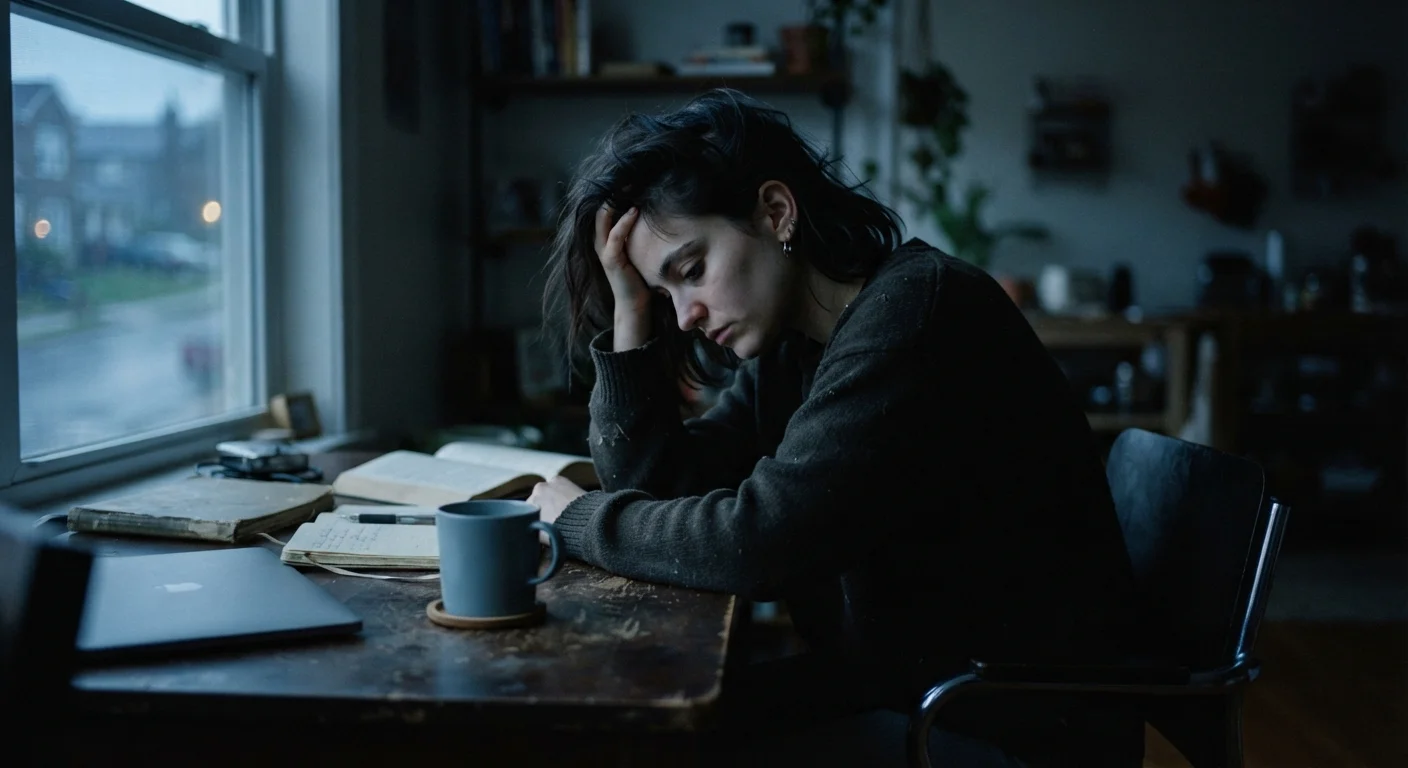
Photo credit: readerspanel.com
In this article
Missing sleep doesn't just make you tired. Understand how even mild sleep debt influences emotions, judgment, and stress tolerance.
Key Takeaways
- Losing even one to two hours of sleep per night can noticeably affect mood and emotional control.
- Sleep-deprived people tend to perceive neutral situations as threatening or negative.
- Judgment and risk assessment worsen before a person consciously feels impaired.
- Chronic mild sleep debt compounds over time and does not self-correct with one good night.
- Consistent sleep habits protect emotional resilience more reliably than any single recovery sleep.
What sleep loss actually does to the brain
Sleep is not passive downtime. The brain uses sleep to consolidate memories, clear metabolic waste, and recalibrate emotional systems. When sleep is cut short, those processes are interrupted. The prefrontal cortex, which helps you pause before reacting, weigh pros and cons, and stay focused, loses efficiency first. Meanwhile, the amygdala, a structure involved in detecting threats and generating emotional responses, becomes more reactive.
The practical result is a brain that is quicker to perceive a neutral email as hostile, slower to find a measured response to a disagreement, and more likely to interpret ambiguous situations as stressful. This is not a character flaw or weakness. It is a predictable biological consequence of insufficient rest.
This same mechanism connects to driving safety. Sleep-impaired judgment mirrors alcohol-related impairment more closely than most people expect. For a closer look at how that plays out on the road, see how tired drivers underestimate their own impairment.
The mood effects most people overlook
Irritability is the symptom people name most readily, but it is only part of what sleep loss does to emotional experience. Researchers have found that sleep-deprived individuals rate neutral facial expressions as more negative, overestimate the intensity of stressful situations, and show reduced ability to feel positive emotions even when circumstances are objectively good.
This emotional narrowing can feel like a low-grade, unexplained pessimism. People often attribute it to stress, diet, or life circumstances without connecting it to how they have been sleeping. Over time, chronic mild sleep debt has been linked in research literature to increased anxiety symptoms and greater vulnerability to low mood, though the relationship is bidirectional: poor mental health can also disrupt sleep.
Sleep and screen time often compound each other
Constant digital stimulation in the evening delays the brain's natural wind-down process and can fragment sleep architecture even when total hours look adequate. If mood and focus tend to dip together, it may be worth examining both sleep and screen habits at the same time rather than treating them separately.
Poor sleep and screens form a feedback loop that is easy to miss. Constant digital stimulation in the evening delays the brain's wind-down process and fragments sleep architecture. If mood and focus dip together, it may be worth reading about digital overload and mental fatigue alongside your sleep habits.
How judgment quietly slips
One of the more unsettling findings from sleep research is that people tend to underestimate how impaired their thinking is when they are sleep deprived. In laboratory studies, participants who had been awake for extended periods rated their own performance as adequate even when objective tests showed significant decline in attention, reaction time, and working memory.
This gap between perceived and actual performance matters in everyday life. A fatigued person is more likely to take shortcuts, skip steps in a familiar task, overestimate their ability to handle a complex situation, and underestimate risk. Financial decisions, parenting judgment, and workplace performance are all affected, often invisibly to the person making the choices.
1 in 3
U.S. adults who regularly sleep less than 7 hours
According to the Centers for Disease Control and Prevention, about one-third of American adults report consistently sleeping below the recommended minimum for their age group.
17-19 hrs
Wakefulness equivalent to mild alcohol impairment
Research published in peer-reviewed sleep journals has found that staying awake for 17 to 19 hours produces cognitive impairment comparable to a blood alcohol level around 0.05%.
60%
Increase in amygdala reactivity after sleep loss
Neuroimaging studies have shown that sleep-deprived individuals show substantially heightened amygdala responses to negative emotional stimuli compared to well-rested participants.
Building sleep habits that support emotional resilience
Emotional resilience is not a fixed trait. The ability to manage stress, stay grounded, and think clearly under pressure depends partly on consistent, restorative sleep. That means both the quantity and the quality of sleep matter. Fragmented sleep, even if total hours seem adequate, does not provide the same emotional regulation benefits as uninterrupted rest.
Consistency in sleep and wake times is the single most well-supported behavioral habit for sleep quality. The body's circadian rhythm, its internal clock, responds to regular timing and becomes dysregulated with frequent variation. This affects not only how easily you fall asleep but how deeply your brain cycles through restorative sleep stages.
For practical routines built around this principle, sleep hygiene habits that actually stick walks through the daily behaviors with the most evidence behind them. Your physical environment also contributes more than many people realize. decorating a bedroom for better sleep covers what your space can and cannot reasonably do to support rest.
This article is for informational purposes only and is not a substitute for professional medical advice. If you are experiencing persistent sleep difficulties or symptoms affecting your daily life, please speak with a qualified healthcare provider.
Frequently Asked Questions

Author
Health & Wellness Editorial Team
Health & Wellness Editorial Team is the collective byline for our editorial team and contributor network. Articles published under this byline or an editorial pen name are researched, written, and reviewed according to our editorial standards for clarity, consistency, and independence before publication.
View all articles →