
Pet Dental Health: Why the Mouth Matters More Than You Think
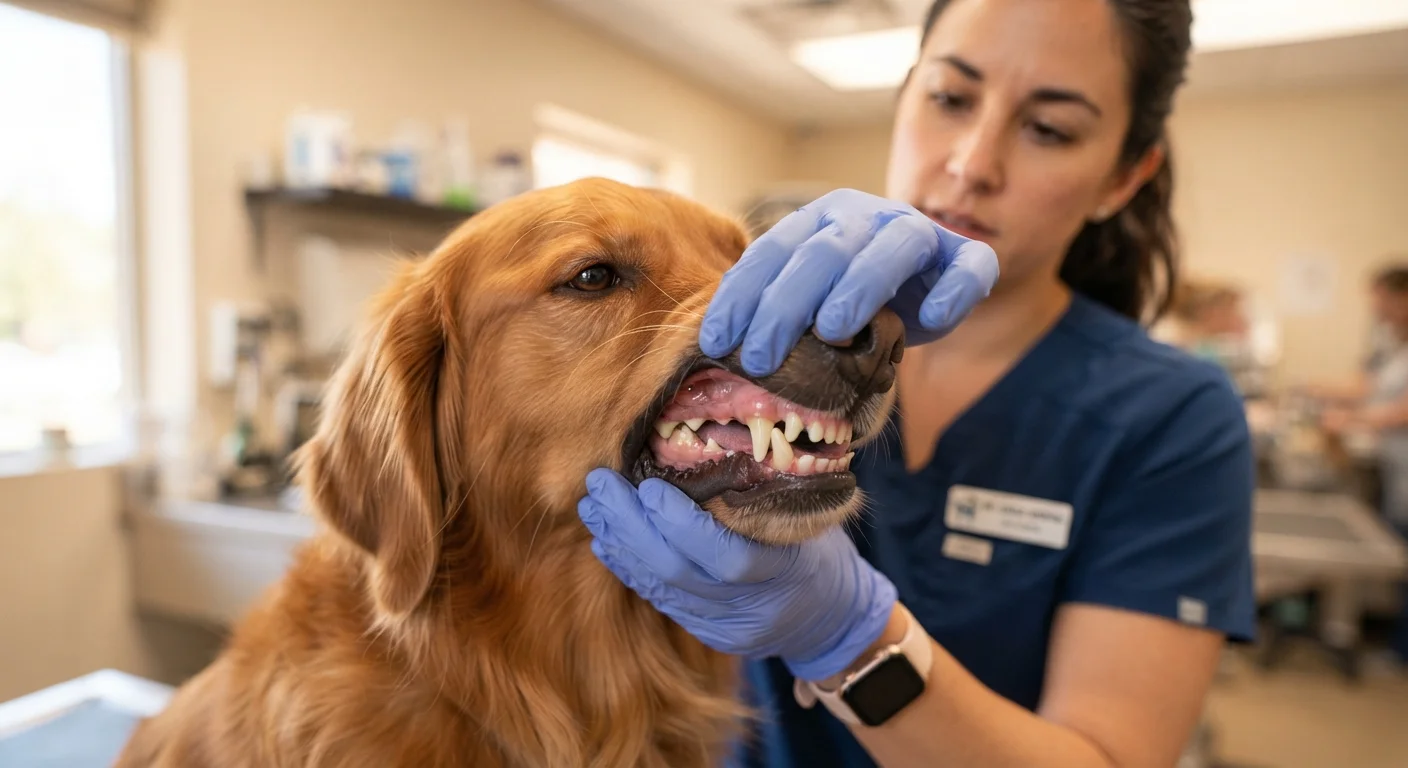
Photo credit: readerspanel.com
In this article
Untreated dental disease in pets can affect the heart, kidneys, and liver. Here's what owners should know about keeping teeth and gums healthy.
Key Takeaways
- Periodontal disease is the most common health condition diagnosed in adult dogs and cats.
- Bacteria from infected gums can travel through the bloodstream and affect the heart, kidneys, and liver.
- Most pets show no obvious signs of dental pain, so regular vet exams are the main line of detection.
- Daily tooth brushing is the most effective home care method for preventing plaque buildup.
- Professional dental cleanings under anesthesia are necessary once tartar has hardened on the teeth.
Why dental disease is more than a mouth problem
Most pet owners associate dental disease with bad breath or visible tartar. The actual concern runs deeper. When bacteria accumulate along and below the gumline, they can trigger inflammation that allows pathogens to enter the bloodstream. This process, sometimes called bacteremia, has been linked in veterinary research to changes in heart valve tissue, kidney function, and liver health over time.
The American Veterinary Dental College notes that periodontal disease is the most common clinical condition in adult dogs and cats, with most pets showing some degree of disease by age three. Because the progression is gradual and pets rarely signal pain the way humans do, owners and even veterinarians can underestimate severity without a thorough oral exam.
This matters especially for older pets. A dog or cat already managing a heart murmur or early kidney disease faces compounded risk when oral bacteria go unchecked. Proactive dental care is not cosmetic; it is part of whole-body health management.
How dental disease develops
Plaque forms within hours of eating. It is a soft, colorless film of bacteria and saliva proteins that coats the teeth and gumline. Without physical removal through brushing or abrasion, plaque mineralizes into tartar (also called calculus) within days. Tartar bonds tightly to the tooth surface and cannot be removed by brushing alone.
As tartar accumulates, it pushes bacteria beneath the gumline. The immune system responds with inflammation: the gums redden, swell, and bleed. At this early stage, called gingivitis, the damage is still reversible with a professional cleaning. If bacteria continue to spread, they destroy the connective tissue and bone anchoring the teeth, advancing to irreversible periodontal disease.
80%
Dogs with dental disease by age 3
The American Veterinary Medical Association reports that approximately 80% of dogs and 70% of cats show signs of oral disease by age three.
70%
Cats with dental disease by age 3
Cats develop periodontal disease at nearly the same rate as dogs, yet dental care for cats is often less consistent among owners.
Stage 1-4
Grading scale for periodontal disease
Veterinary dental scoring uses a four-stage scale; only Stage 1 gingivitis is fully reversible with professional treatment.
Certain pets are at higher risk. Small and toy breeds have proportionally crowded teeth that trap debris. Flat-faced (brachycephalic) breeds like bulldogs and Persian cats have misaligned teeth prone to food retention. Older pets and those with immune compromise also progress more quickly.
What to look for at home
Pets mask discomfort instinctively. A dog that continues eating kibble enthusiastically may still have a painful mouth. That said, there are observable signs worth knowing.
- Persistent bad breath (beyond normal "dog breath") that smells foul or sweet
- Yellow or brown deposits along the tooth base, particularly on back molars
- Gums that look redder than a normal pale pink
- Pawing at the face or rubbing the mouth on surfaces
- Dropping food, chewing only on one side, or reluctance to pick up toys
- Excessive drooling, especially if tinged with blood
None of these signs alone confirms dental disease, and their absence does not rule it out. A veterinary oral exam, and often dental X-rays, is the only way to accurately assess what is happening below the gumline. Understanding your pet's stress signals during vet visits can help these appointments go more smoothly for everyone involved.
Building a home dental care routine
Daily toothbrushing is the most effective way to prevent plaque accumulation between professional cleanings. Use a toothbrush sized for your pet and toothpaste formulated for animals: human toothpaste contains fluoride and xylitol, both of which are toxic to pets.
Introduce brushing gradually, especially with a pet that has never experienced it. Start by letting your pet taste the toothpaste, then progress to touching the teeth with your finger before introducing the brush. Most pets adapt within a few weeks when the process is paired with calm handling and positive reinforcement.
Starting toothbrushing with a reluctant pet
Begin with a small amount of pet-safe toothpaste on your fingertip and simply let your pet lick it off for several days. Once accepted, gently rub the outside of the upper back teeth with your finger before introducing a brush. Short, calm sessions of 30 seconds are more sustainable than one long struggle, and consistency matters more than perfection.
For pets that will not tolerate brushing, veterinary-approved alternatives exist. Water additives, dental gels, and dental wipes can reduce bacterial load, though less effectively than brushing. Dental chews carrying the Veterinary Oral Health Council (VOHC) seal have demonstrated measurable plaque or tartar reduction in controlled studies. Diet also matters: common feeding habits like offering only soft food can accelerate plaque buildup because there is less mechanical abrasion on the teeth.
Professional cleanings and what to expect
A professional veterinary dental cleaning requires general anesthesia. This is not optional: a fully awake animal cannot safely hold still for the subgingival scaling (below the gumline cleaning) and probing that make a cleaning medically meaningful. Anesthesia-free dental procedures that scrape visible tartar do not address bacteria beneath the gumline and can create a false impression of health.
During the procedure, the veterinary team scales and polishes all tooth surfaces, probes the gum pockets, and typically takes full-mouth dental X-rays to identify bone loss or root problems not visible on the surface. Teeth that are non-viable are extracted to prevent ongoing infection.
Pre-anesthetic bloodwork is standard before most cleanings, giving the vet a picture of kidney, liver, and red blood cell status. This information directly shapes anesthetic drug selection and monitoring intensity. A transparent conversation with your vet, including building the kind of open communication that lets you ask questions about risk and recovery, makes the whole process less stressful.
This article is for general informational purposes and does not constitute veterinary medical advice. Always consult a licensed veterinarian for guidance specific to your pet's health needs.
Frequently Asked Questions

Author
Pets & Animals Editorial Team
Pets & Animals Editorial Team is the collective byline for our editorial team and contributor network. Articles published under this byline or an editorial pen name are researched, written, and reviewed according to our editorial standards for clarity, consistency, and independence before publication.
View all articles →