
Impulse Control Exercises Every Dog Owner Should Know
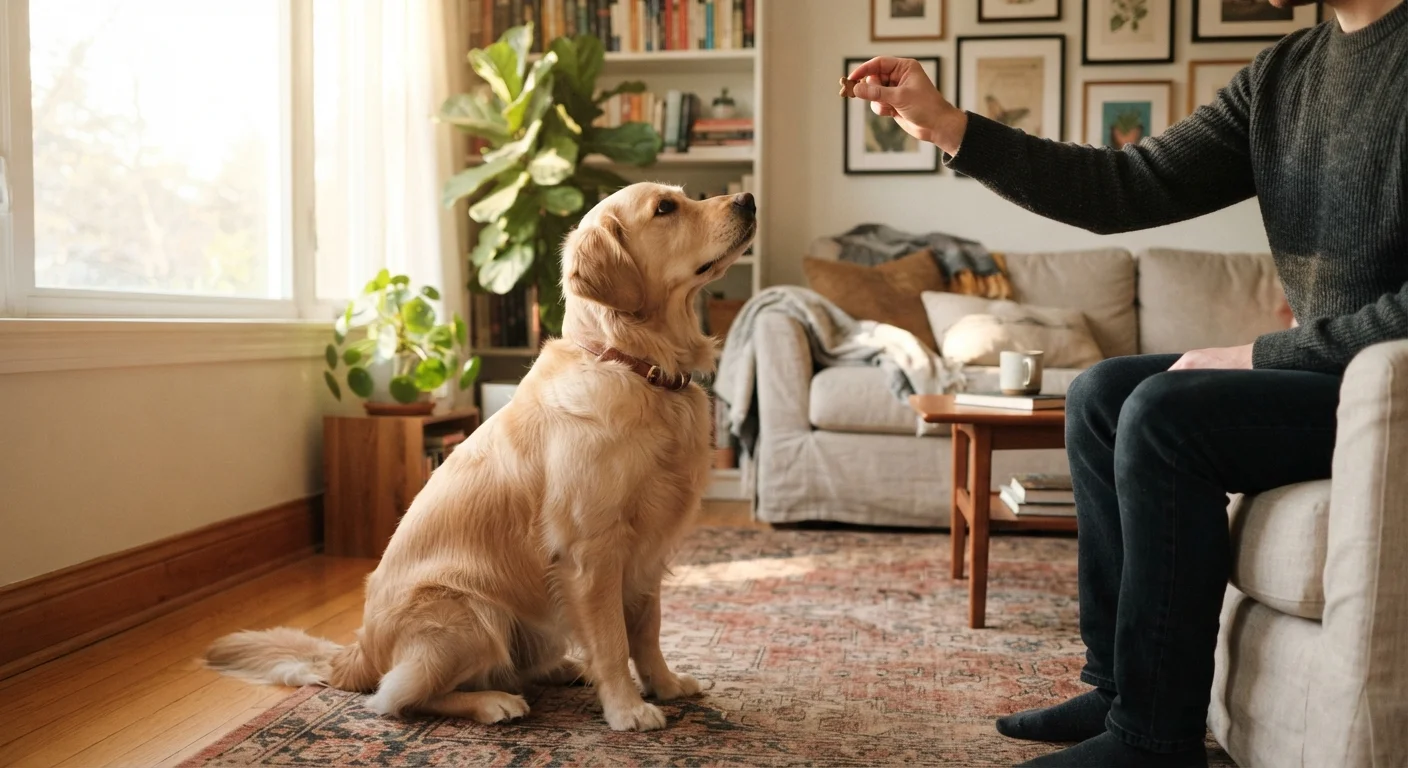
Photo credit: readerspanel.com
Teaching a dog to pause and check in before acting makes everyday life calmer. These foundational exercises build self-control without frustration for either party.
Key Takeaways
- Impulse control is a teachable skill, not a personality trait dogs either have or lack.
- Short, consistent practice sessions produce more reliable results than long, infrequent ones.
- Most foundational exercises require nothing more than treats and a quiet space to start.
- Building self-control in one context tends to carry over into other real-life situations.
- Dogs that learn to pause before acting are generally safer and easier to live with daily.
Why impulse control matters for everyday dogs
A dog that lunges at every squirrel, snatches food from a child's hand, or bolts through the front door is not a bad dog. It is a dog that has not yet learned to pause between impulse and action. That pause, however brief, is what impulse control training builds.
The exercises below are drawn from force-free, positive reinforcement methods. If you want the behavioral science behind why food rewards make this kind of learning stick, see how operant conditioning works in practice. Each exercise here teaches the dog that waiting, checking in, and deferring to you produces something better than the impulsive option.
Work through these at whatever pace suits your dog. Some dogs pick up one exercise in a single session; others need a week. Both outcomes are normal.
The hand-target check-in
Hold your palm flat in front of your dog's nose. The moment the dog's nose touches your hand, mark the behavior with a verbal cue like "yes" and deliver a treat from your other hand. Once the dog understands the gesture, use it to redirect attention away from distractions before the dog has a chance to react. The hand touch gives the dog something specific to do instead of lunge, bark, or pull.
Practice this first in a quiet room, then gradually introduce mild distractions: a toy on the floor, another person walking by. The goal is a dog that chooses to orient toward you when the environment gets interesting.
A dog that learns to touch your hand on cue has a built-in pause button for high-distraction moments.
Leave it with a closed fist
Place a low-value treat in your closed fist and hold it at your dog's nose level. The dog will lick, paw, and nudge. Say nothing and hold still. The instant the dog pulls back or looks away, open your hand and deliver the treat. Over several repetitions, the dog learns that disengaging from the thing it wants is what earns the reward.
Progress slowly: move to an open palm with the treat visible, then to a treat on the floor with your foot ready to cover it, then to treats at a distance. Pairing this with puzzle feeders at home can extend the same mental effort across the dog's day.
Pulling away from something tempting is the behavior you reward, not sitting or staying.
The sit-and-wait at doorways
Before opening any door, ask your dog to sit. Begin to open the door. If the dog breaks the sit, calmly close the door and ask for the sit again. When the dog holds the position while the door opens fully, release with a word like "free" or "okay" and let the dog through. No drama, no repeated commands.
This exercise addresses one of the most common household safety risks: a dog that bolts through open doors. It also generalizes well. Dogs that learn door manners often apply the same waiting behavior to gates, car doors, and stairs without additional training.
Closing the door calmly the moment the dog breaks position is all the feedback the dog needs.
Settle on a mat
Place a small mat or towel on the floor. Lure your dog onto it and reward any calm behavior: sitting, lying down, resting a chin on the mat. Build duration by waiting a beat longer before each reward. Add a word like "settle" once the dog is reliably choosing to stay on the mat.
The mat becomes a portable cue for calm behavior. Bring it to the vet's waiting room, to a friend's house, or to an outdoor cafe. Dogs learn to associate the mat itself with the expectation of settling, which makes it useful in environments you cannot fully control. This exercise pairs naturally with crate training, which builds the same sense of a designated calm space.
A mat is a portable cue that travels with the dog into any environment.
Down-stay with a distraction walk-by
Ask your dog to lie down and stay. Walk a few steps away, then return and reward. Gradually increase the distance and add a mild distraction: drop a toy nearby, have someone else walk past, knock on a surface. Each time the dog holds the down-stay through a distraction, the dog is practicing the exact neural pathway that impulse control relies on.
Keep sessions short. Five clean repetitions ending on success build more reliable behavior than twenty repetitions where the dog fails repeatedly. If the dog breaks the stay more than twice in a row, reduce the distraction level rather than repeating the failed attempt.
Five clean repetitions build more than twenty frustrated attempts at a level that is too hard.
Offered eye contact
Hold a treat at eye level beside your face, then wait. Do not call the dog's name or prompt in any way. The moment the dog's gaze moves from the treat to your eyes, mark and reward. This is often called "auto-watch" and it trains the dog to check in with you voluntarily rather than fixating on the environment.
Dogs that develop a strong offered-eye-contact habit tend to be more responsive on leash and in public settings because looking at the owner is already a well-rewarded behavior. Practice it during calm moments so it becomes automatic before you need it in a crowded or stressful situation.
Voluntary eye contact is the foundation of a dog that chooses connection over distraction.
Putting it all together in daily life
These exercises are most useful when you move them out of dedicated training sessions and into ordinary moments: before meals, at doorways, when guests arrive, on walks. A dog that has practiced "leave it" with a treat on the floor will not automatically apply it to a dead bird on the trail, but repeated practice across varied settings closes that gap over time.
Keep sessions short and frequent
Three to five minutes once or twice a day produces faster progress than a single thirty-minute session. Dogs consolidate learning between sessions, so spacing practice out across the day gives each repetition more weight. End every session before the dog loses interest, not after.
If your dog shows intense guarding behavior around food or objects during any of these exercises, slow down and consult a trainer before continuing. Understanding resource guarding first will help you approach those moments safely. For days when outdoor practice is not possible, indoor mental games can keep a dog's mind engaged and complement the self-control work you are doing together.
This article is for general educational purposes and is not a substitute for guidance from a certified professional dog trainer or veterinary behaviorist, particularly for dogs displaying fear, aggression, or intense reactivity.

Author
Pets & Animals Editorial Team
Pets & Animals Editorial Team is the collective byline for our editorial team and contributor network. Articles published under this byline or an editorial pen name are researched, written, and reviewed according to our editorial standards for clarity, consistency, and independence before publication.
View all articles →