
Serpentine Belt Wear: A Small Part With Outsized Consequences
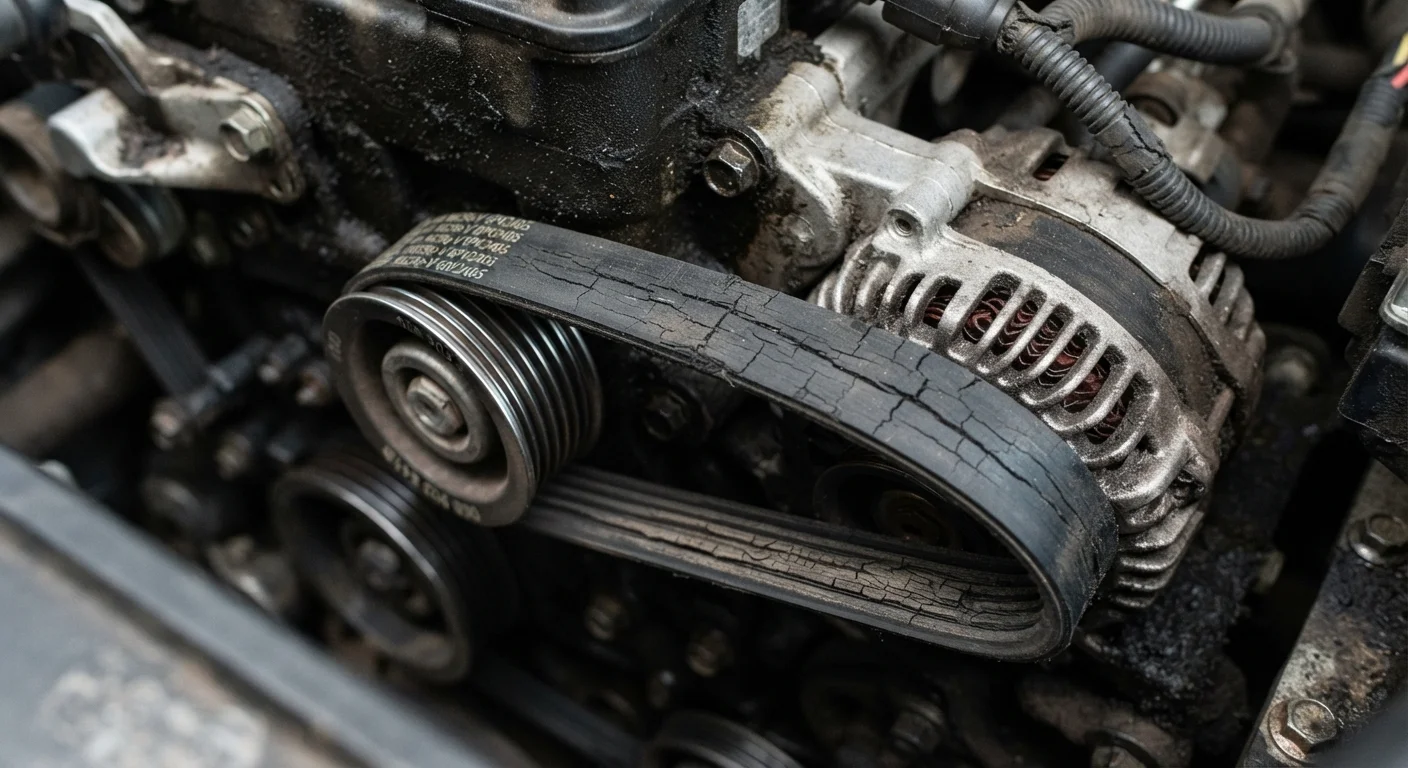
Photo credit: readerspanel.com
In this article
The serpentine belt drives your alternator, AC, and power steering. Understand how it ages, what warning signs look like, and why timing matters.
Key Takeaways
- One serpentine belt drives multiple engine accessories simultaneously, so failure affects your charging system, steering, AC, and sometimes cooling all at once.
- Most manufacturers recommend inspection every 60,000 to 100,000 miles, though heat, oil contamination, and driving conditions can shorten that window.
- Visible cracks, fraying edges, squealing noises, or a glassy sheen on the belt surface are signs the belt needs attention soon.
- Replacement is far less expensive than the roadside tow, battery discharge, or overheating damage that can follow an unexpected break.
- A belt that looks intact can still be near the end of its life; mileage and age both matter when assessing condition.
What the serpentine belt actually does
Older vehicles used multiple individual belts, each dedicated to one accessory. Modern vehicles consolidate that into a single serpentine belt that loops through the entire system. The crankshaft pulley at the bottom of the engine spins when the engine runs, and that rotation travels through the belt to every accessory pulley in the circuit.
The alternator depends on this belt to generate electricity and keep the battery charged while driving. The power steering pump (on hydraulic systems) depends on it for steering assist. The AC compressor, and in many vehicles the water pump, are also in the loop. When the belt breaks, all of those systems lose power simultaneously. That is the part that surprises drivers most: it is not one thing that goes wrong, it is everything at once.
For vehicles where the water pump is belt-driven, a sudden break can also cause overheating within minutes. That is why understanding which components your specific belt drives matters before a problem occurs. Your owner's manual will list what the serpentine belt powers on your vehicle.
How belts wear and why rubber degrades
Serpentine belts are made from EPDM rubber (ethylene propylene diene monomer), which handles heat and flex well but still degrades over time. Heat from the engine, ozone exposure, and repeated bending around pulleys cause the rubber compounds to harden and lose elasticity. Tiny cracks form on the belt's surface and between the ribs on the underside.
Oil or coolant leaks that drip onto the belt accelerate that process. A contaminated belt loses grip, can slip on pulleys, and degrades faster than a clean one. A misaligned pulley creates uneven side-load wear. A failing tensioner that cannot maintain consistent pressure causes the belt to slap or skip under load.
EPDM belts can hide wear
Modern EPDM rubber belts do not crack as visibly as older neoprene belts did. A belt can look smooth and intact while the rib material has worn to a point where slipping is imminent. Rib depth measurement tools are available at most auto parts stores if you want a more precise check than a visual inspection alone. Mileage and age both count when assessing belt condition.
EPDM belts do not crack as visibly as older neoprene belts did. A belt can look smooth and intact while the rib material has worn down to a point where slipping is imminent. Rib depth measurement tools are available at most auto parts stores if you want a more precise assessment than a visual check alone.
Mileage and age both count. A belt that has sat unused for several years on a low-mileage vehicle can still harden and crack from ozone exposure, even without the stress of regular driving.
Warning signs to watch for
A high-pitched squeal when the engine starts or when you turn on the AC is the most common early signal. The squeal comes from the belt slipping on a pulley, often due to a worn tensioner or a glazed belt surface. It can come and go at first, which leads some drivers to ignore it longer than they should.
Physical inspection takes about two minutes with the engine off. Look for:
- Cracks visible on the top surface or between the ribs
- Fraying or chunks missing from the edges
- A shiny or glazed appearance on the belt's flat side
- Visible stretching or looseness when you press the belt with a finger
A battery warning light while driving can indicate the alternator is not charging, which sometimes traces back to belt slippage rather than alternator failure itself. Power steering that feels suddenly heavier, or AC that stops cooling without any refrigerant warning, can also point to the belt. These symptoms overlap with other issues, so a mechanic should confirm the cause before any repair.
Other maintenance items that quietly degrade follow a similar pattern: no dramatic failure, just a slow drift toward the point where something stops working.
Replacement intervals and what affects them
Manufacturer intervals for serpentine belt replacement commonly fall between 60,000 and 100,000 miles, but those figures assume average operating conditions. Vehicles driven frequently in extreme heat, dusty environments, or stop-and-go traffic tend to wear belts faster. Check your owner's manual for the specific interval your vehicle's manufacturer recommends.
When a belt is replaced, it is worth having the tensioner and idler pulleys inspected at the same time. A belt that runs on a worn tensioner or a rough-bearing idler pulley will degrade faster than a belt running on good hardware. Mechanics typically recommend replacing the tensioner with the belt if the vehicle has high mileage, since the labor cost for coming back later is the same.
The cost of belt replacement is modest compared to what a failure can cause. A tow, a discharged battery that needs replacement, or overheating damage to the engine are all realistic outcomes of running a belt past its limit. Scheduled maintenance consistently costs less than the repairs it prevents, and the serpentine belt is one of the clearer examples of that math.
If your vehicle is approaching the recommended interval or showing any of the symptoms above, ask a qualified mechanic to inspect the belt and tensioner. They can measure rib wear and assess pulley condition in a few minutes, giving you a clearer picture of where things stand.
Frequently Asked Questions

Author
Automotive Life Editorial Team
Automotive Life Editorial Team is the collective byline for our editorial team and contributor network. Articles published under this byline or an editorial pen name are researched, written, and reviewed according to our editorial standards for clarity, consistency, and independence before publication.
View all articles →