
Routine Maintenance That Prevents Much Costlier Repairs
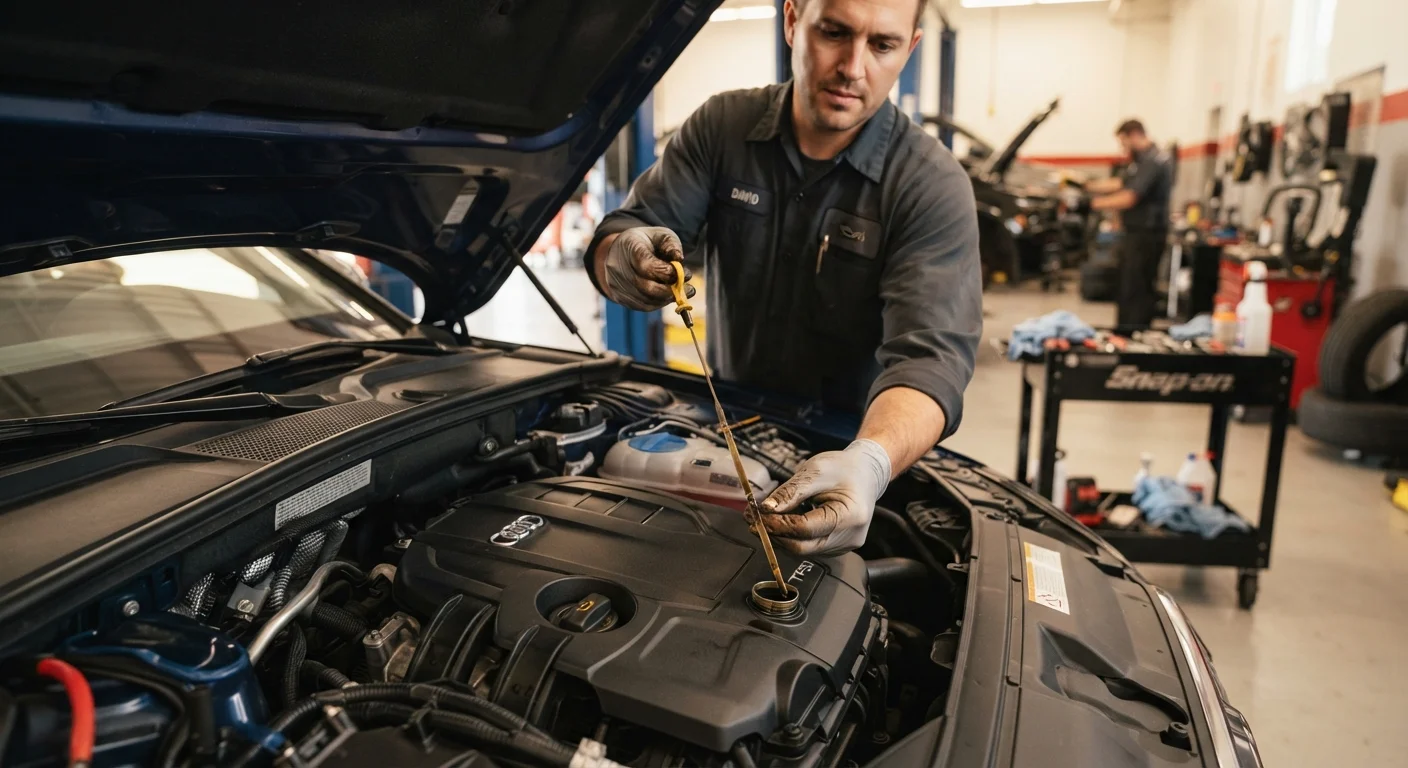
Photo credit: readerspanel.com
In this article
Skipping oil changes and tire rotations can turn small costs into large ones. Here's what regular upkeep actually protects you from.
Key Takeaways
- Skipping oil changes is one of the fastest ways to turn a $50 service into a $4,000 engine repair.
- Tire rotations and alignment checks extend tire life and protect steering and suspension components.
- Coolant, brake fluid, and transmission fluid each degrade on a schedule and cause cascading damage when ignored.
- Most manufacturer-recommended service intervals are printed in the owner's manual and cost far less than the repairs they prevent.
- Catching a worn belt or a low fluid level early is almost always cheaper than replacing what breaks because of it.
Why deferred maintenance costs more than the service itself
Every car has a maintenance schedule built into its design. Automakers set those intervals based on how long components last under normal operating conditions. When a service gets skipped, the component continues to degrade, and the failure it eventually causes rarely stops at one part.
An engine running on old, broken-down oil generates more heat and friction. That friction wears bearing surfaces. Worn bearings can spin, and a spun bearing is an engine replacement, not a repair. The oil change that prevents it costs a fraction of what follows from skipping it. The same logic applies across nearly every system on the car.
For a full picture of how these costs compound over a vehicle's life, the annual car ownership cost audit is a practical starting point. The car maintenance hub also covers the broader scope of upkeep that keeps a vehicle reliable.
The services that do the most financial work
Not every maintenance item carries equal weight. Some protect systems that are expensive to rebuild. Others protect systems that are expensive to replace outright. Knowing which services matter most helps drivers prioritize when budgets are tight.
Cooling system neglect is one of the more common sources of large, unexpected repair bills. Coolant degrades over time and becomes acidic, corroding the radiator, water pump, and heater core from the inside. A coolant flush typically runs $100 to $150. Replacing a water pump, radiator, or head gasket that failed because of corrosion costs several times more.
Brake fluid absorbs moisture from the air over time. As moisture content rises, the fluid's boiling point drops. In hard braking, degraded fluid can boil inside the lines, creating vapor pockets that reduce braking force. Most manufacturers recommend replacing brake fluid every two to three years. The service is inexpensive; the alternative is a brake system that performs unpredictably.
Transmission fluid protects a transmission's internal clutch packs and planetary gear sets. In automatic transmissions especially, old fluid loses its ability to cushion those parts. Rebuilding or replacing an automatic transmission is one of the largest single repair bills a driver will face. Major expenses like these arrive on a schedule most owners never anticipate.
Tires, alignment, and what they protect beyond themselves
Tires are the only contact point between the vehicle and the road, which makes their condition relevant to braking distance, handling, and fuel consumption all at once. Rotation moves tires between positions so they wear at a similar rate. Without it, front tires on a front-wheel-drive vehicle wear significantly faster than the rears, forcing early replacement of two tires while two others still have life in them.
Alignment affects more than tire wear. A car that pulls to one side or has wheels angled incorrectly puts constant lateral stress on suspension components, tie rod ends, and ball joints. Those parts wear faster under that stress, and they are not cheap to replace. An alignment check costs $80 to $120 at most shops. A ball joint or control arm replacement costs several times that.
Drivetrain layout changes which tires carry the most load and how often rotation matters, so it is worth understanding how your specific vehicle distributes power before setting a rotation schedule.
Building maintenance into your budget before the bill arrives
Maintenance is predictable in a way that repairs are not. Oil changes, tire rotations, fluid flushes, and belt inspections all happen on known schedules printed in the owner's manual. That predictability makes them budgetable.
Setting aside a small fixed amount each month for scheduled maintenance smooths out the cost so no single service feels like a crisis. Practical budgeting strategies can help fold that line item into a household spending plan without disruption.
Simple habits between shop visits, like checking tire pressure monthly and glancing at fluid levels every few weeks, catch problems early without requiring a mechanic. A low power steering fluid reservoir or a tire losing pressure faster than the others is information worth having before it becomes an emergency.

Author
Automotive Life Editorial Team
Automotive Life Editorial Team is the collective byline for our editorial team and contributor network. Articles published under this byline or an editorial pen name are researched, written, and reviewed according to our editorial standards for clarity, consistency, and independence before publication.
View all articles →