
Micronutrients You May Be Missing Without Realising It
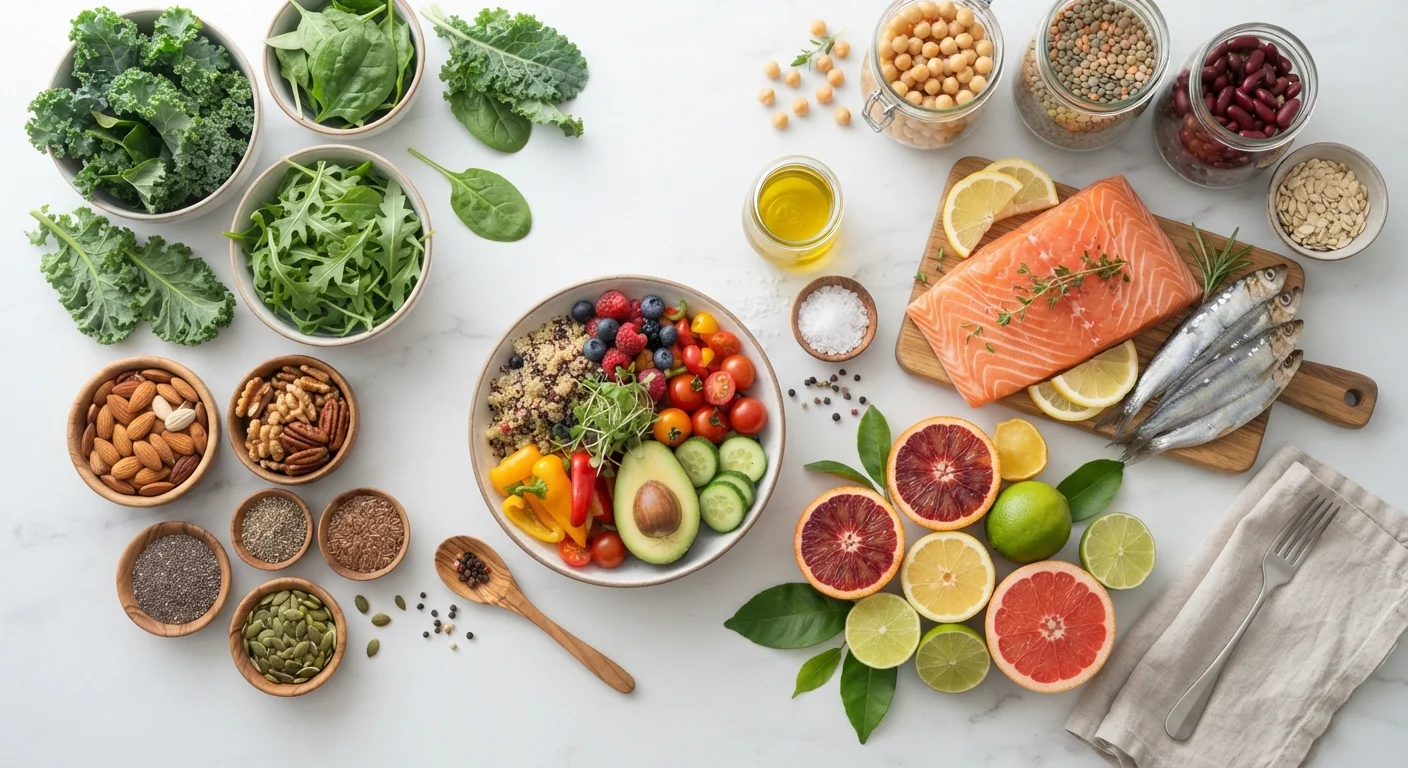
Photo credit: readerspanel.com
In this article
Iron, magnesium, vitamin D, and potassium are frequently under-consumed. Learn what roles they play and where to find them in food.
Why certain nutrients go missing
Most Americans eat enough calories. What gets short-changed is the nutritional density packed into those calories. Federal dietary survey data has consistently shown that iron, magnesium, vitamin D, and potassium fall below recommended intakes for large portions of the population, often without any obvious symptoms in the short term.
This is a reference guide to those four nutrients: what they do in the body, which foods supply them, and who is most likely to run low. It is general health information, not a substitute for guidance from your doctor or a registered dietitian.
Micronutrient
Vitamins and minerals the body requires in relatively small amounts to function correctly. Unlike macronutrients (carbohydrates, protein, fat), they provide no energy directly but are needed for nearly every metabolic process.
Heme iron
A form of dietary iron found in animal-based foods such as meat, poultry, and seafood. The body absorbs it more efficiently than the non-heme iron in plant foods.
Hemoglobin
A protein in red blood cells that binds oxygen and carries it from the lungs to the rest of the body. Adequate iron is required to produce it.
Enzymatic reaction
A chemical process in the body that is sped up (catalyzed) by a protein called an enzyme. Magnesium acts as a cofactor in hundreds of these reactions.
Hypokalemia
A clinical condition in which blood potassium levels fall below the normal range. Symptoms can include muscle weakness, cramps, and heart rhythm changes. It requires medical evaluation.
Fat-soluble vitamin
A vitamin that dissolves in fat rather than water and is stored in body fat and the liver. Vitamins A, D, E, and K are fat-soluble; because they accumulate, excessive intake can reach harmful levels.
If you are trying to stretch your grocery budget while covering these bases, eating well on a tight budget offers practical strategies worth reading alongside this guide.
Iron: more than just red meat
Iron is needed to produce hemoglobin, the protein in red blood cells that carries oxygen through the body. Low iron stores can leave you feeling fatigued and finding it harder to concentrate, though those symptoms overlap with many conditions, so a blood test is the only way to confirm a deficiency.
There are two forms of dietary iron. Heme iron, found in meat and seafood, is absorbed more readily. Non-heme iron, found in plant foods, is absorbed at a lower rate but absorption rises when you eat it alongside vitamin C. Beans, lentils, tofu, pumpkin seeds, and dark leafy greens are all solid plant-based sources.
Women of reproductive age and people who follow plant-based diets are more likely to have lower iron stores. Certain gastrointestinal conditions can also limit absorption. If you are in any of these groups, a conversation with your healthcare provider about iron status is worth having rather than self-supplementing.
Magnesium: involved in hundreds of body processes
| Recommended daily magnesium (adult women) | 310 to 320 mg (National Institutes of Health Office of Dietary Supplements) |
| Recommended daily magnesium (adult men) | 400 to 420 mg (National Institutes of Health Office of Dietary Supplements) |
| Adequate daily potassium intake (adults) | 2,600 to 3,400 mg (National Academies of Medicine, 2019) |
| Recommended daily iron (women aged 19 to 50) | 18 mg (National Institutes of Health Office of Dietary Supplements) |
| Recommended daily iron (men aged 19 and over) | 8 mg (National Institutes of Health Office of Dietary Supplements) |
| Daily vitamin D recommendation (adults under 70) | 600 IU (15 mcg) (National Institutes of Health Office of Dietary Supplements) |
Magnesium participates in over 300 enzymatic reactions, including those that regulate blood sugar, blood pressure, and muscle and nerve function. It is also involved in converting food into usable energy.
Whole grains, nuts (particularly almonds and cashews), seeds, legumes, and dark chocolate are all good sources. Leafy greens like spinach contain useful amounts too. The challenge is that heavily processed diets strip away much of the magnesium present in whole foods.
Chronically low magnesium intake has been associated in observational research with increased risk of type 2 diabetes and cardiovascular disease, though correlation studies cannot establish direct cause. Getting more of it through food is a reasonable, low-risk goal for most people. Magnesium supplements are widely available, but high doses can cause gastrointestinal side effects, so consult a healthcare provider before starting any supplement.
Vitamin D: the sunlight nutrient most people are short on
Vitamin D supports calcium absorption for bone health and is involved in immune function. The skin synthesizes it in response to UVB sunlight, but cloud cover, sunscreen use, indoor lifestyles, and living at higher latitudes all reduce that synthesis substantially. Darker skin pigmentation also reduces synthesis at a given UV level.
Very few foods naturally contain meaningful amounts of vitamin D. Fatty fish (salmon, mackerel, sardines), egg yolks, and UV-exposed mushrooms are the main natural sources. Many dairy products and plant-based milks are fortified with vitamin D, and those fortified foods are often the most practical everyday source.
Vitamin D status is measured with a blood test. If a provider finds your levels low, they may recommend a supplement at a specific dose for your situation. Do not self-prescribe high-dose vitamin D without medical guidance, as it is fat-soluble and excess amounts accumulate in the body.
For a broader look at nutrient-dense vegetables that can support several gaps at once, vegetables you may be undereating is a useful companion read.
Potassium: the electrolyte most people ignore
Potassium works alongside sodium to regulate fluid balance, nerve signals, and muscle contractions, including the heart muscle. Higher potassium intake is associated in research with lower blood pressure, though this relationship is complex and individual responses vary.
Potassium is not a nutrient most people associate with deficiency because severe deficiency (hypokalemia) is relatively uncommon in otherwise healthy adults. However, habitual intakes well below recommended levels are common in the U.S., largely because Americans eat fewer fruits and vegetables than dietary guidelines suggest.
Bananas get most of the attention, but white potatoes (with skin), sweet potatoes, avocado, white beans, lentils, spinach, and orange juice all contain substantial potassium. Spreading intake across several of these foods each day is far more effective than relying on one. Packaged and restaurant foods are worth scrutinizing too: nutrition claims on packaging can help you read labels more critically.
This article is for informational purposes only and is not medical advice. Speak with a qualified healthcare professional before making changes to your diet or starting any supplement.

Author
Health & Wellness Editorial Team
Health & Wellness Editorial Team is the collective byline for our editorial team and contributor network. Articles published under this byline or an editorial pen name are researched, written, and reviewed according to our editorial standards for clarity, consistency, and independence before publication.
View all articles →