
Eating Well on a Tight Budget: Strategies That Actually Hold Up
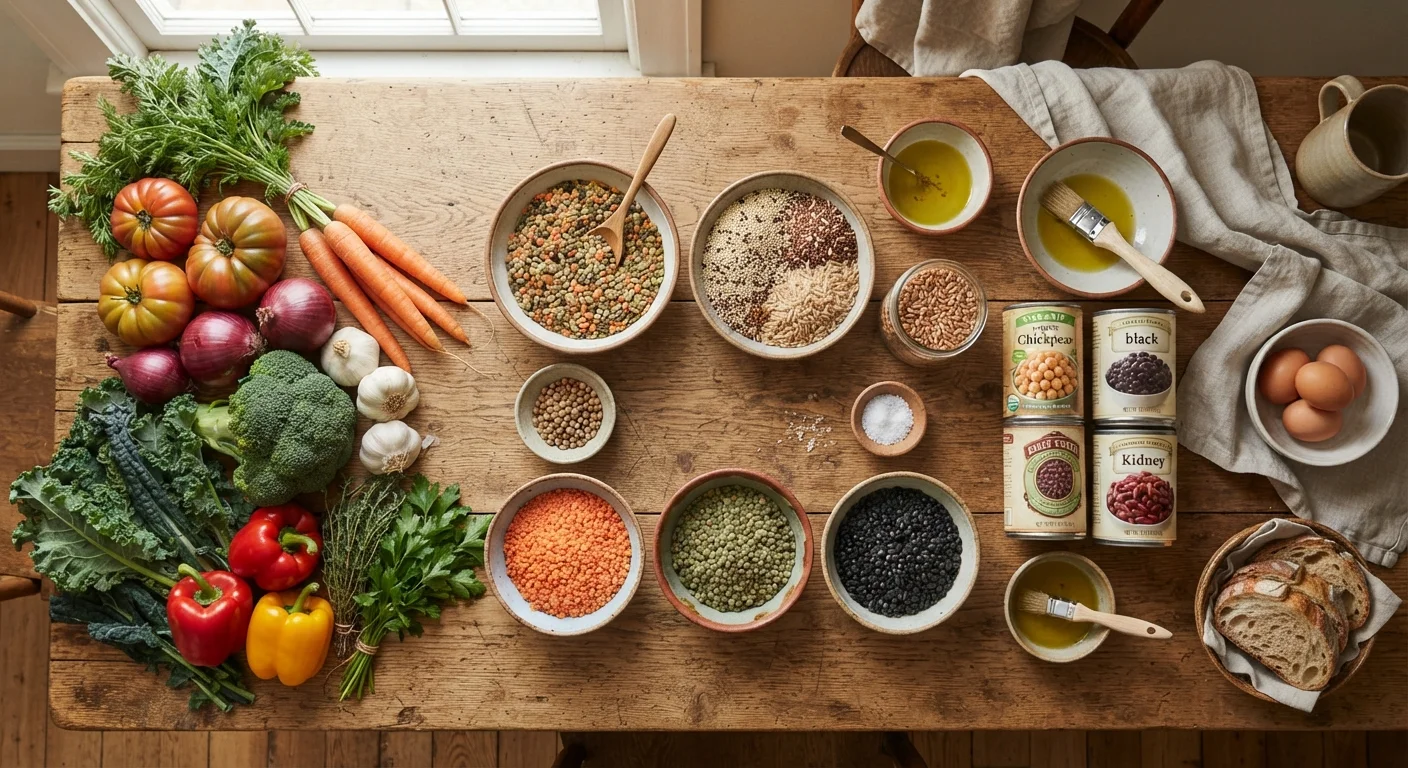
Photo credit: readerspanel.com
In this article
Nutritious food doesn't have to be expensive. Explore practical, evidence-informed approaches to nourishing meals on a limited grocery spend.
Key Takeaways
- Whole grains, legumes, and frozen vegetables deliver strong nutrition at low cost per serving.
- Planning meals around weekly store sales and seasonal produce reduces grocery spend meaningfully.
- Cooking in batches and using versatile ingredients cuts both food waste and daily effort.
- Protein needs can be met affordably through plant-based sources like beans, lentils, and eggs.
- A realistic grocery budget built around your actual eating habits is more sustainable than cutting categories.
Why eating well on a budget is more achievable than it sounds
The idea that healthy food is expensive has real roots, but it is not the whole picture. Processed convenience foods often look cheaper per package, yet calorie-for-calorie and nutrient-for-nutrient, many whole foods cost less. Dried lentils, canned beans, oats, cabbage, sweet potatoes, and frozen spinach consistently rank among the most affordable items in any grocery store, and each one carries a strong nutritional profile.
The challenge is not usually the price of nutritious food. It is knowing which items to build around, how to avoid waste, and how to turn simple ingredients into meals that feel satisfying. That is what the steps below address.
For a broader look at the eating patterns that research tends to support, see our guide to evidence-backed eating patterns. If your household is also navigating tight finances more broadly, budgeting strategies for tight incomes covers the wider picture.
Identify your highest-value staples
Start by stocking a short list of ingredients that are inexpensive, nutrient-dense, and flexible enough to appear in many different meals. Good candidates include:
- Dried or canned beans and lentils (protein, fiber, iron)
- Oats and brown rice or whole-grain pasta (complex carbohydrates, B vitamins)
- Eggs (complete protein, affordable per serving)
- Frozen vegetables such as broccoli, peas, and spinach (micronutrients at low cost)
- Cabbage, carrots, and sweet potatoes (long shelf life, high nutrient value)
- Canned fish like sardines or tuna (omega-3s, protein)
These are not the only good options, but building around them gives you a nutritious base before you add anything else. For a closer look at plant-based protein specifically, see protein sources beyond meat.
Plan meals before you shop
Write out four to five meals for the week before you go to the store. This does not have to be rigid, but having a rough plan prevents buying items that go unused. Check what you already have on hand, then list only what you need to complete those meals.
Planning around store sales and what produce is currently in season brings the cost down further. Seasonal vegetables are picked closer to peak ripeness and tend to cost less than out-of-season imports. Frozen produce is a reliable year-round alternative because it is harvested and frozen at peak nutrition.
Set a realistic grocery number
Guessing your grocery budget rarely works. Instead, track what you actually spend for two to four weeks, then look at where money is going. Common areas to adjust include pre-cut produce (which costs more than whole vegetables), brand loyalty on items where store brands are nutritionally identical, and beverages beyond water.
A budget that ignores how your household actually eats will not hold. Our article on building a grocery budget that fits your household goes deeper on this.
Cook in batches to reduce per-meal cost
Cooking one large batch of a grain, legume, or soup at the start of the week and using portions across multiple meals is one of the most effective ways to lower both food spending and time spent cooking daily. A pot of lentil soup, for example, can serve as lunch for three days or be repurposed into a grain bowl with different toppings each time.
This approach also reduces the chance of defaulting to expensive takeout or delivery on tired evenings, which is where budget-conscious eating often breaks down.
Reduce food waste deliberately
The average American household wastes a substantial portion of the food it buys. Reducing that waste is functionally equivalent to lowering your grocery bill. Practical steps include:
- Storing leafy greens in a damp paper towel inside a sealed container to extend freshness
- Keeping older items at the front of the refrigerator so they get used first
- Using vegetable scraps and chicken bones for homemade stock
- Freezing bread, bananas, and cooked grains before they spoil
Waste reduction pairs well with batch cooking because you are already using ingredients purposefully rather than buying them speculatively.
Check your micronutrient gaps
Eating on a tight budget can sometimes lead to gaps in specific micronutrients, particularly if the focus falls heavily on carbohydrates and convenience items. Common shortfalls include iron, magnesium, potassium, and vitamin D. Many of these are available in affordable foods: dark leafy greens, beans, seeds, and canned fish cover several of them.
Our article on micronutrients people commonly miss explains what each one does and which foods contain them. You might also find our piece on vegetables worth eating more of useful for rounding out produce variety without adding much cost.
If you have concerns about specific nutritional deficiencies, a registered dietitian can give personalized guidance that a general article cannot.
Building habits that make the strategy stick
Following a budget-conscious eating plan once is easy. Sustaining it week after week takes a few structural habits. The most useful one is a short weekly planning session, even 10 to 15 minutes, where you check what is already in your kitchen, scan store circulars, and sketch out four or five meal ideas. Our weekly meal planning checklist walks through this process in practical detail.
Batch cooking is a second habit worth building gradually. Cooking a large pot of grains or beans once and using them across several meals during the week saves time and keeps you from defaulting to expensive last-minute options. Our beginner-friendly meal prep guide is a good starting point if the idea feels like too much.
Start with one change, not a full overhaul
Switching your entire grocery routine at once is harder to sustain than making one or two adjustments. Try swapping one meat-based meal per week for a lentil or bean dish, or replacing a processed snack with oats or fruit. Small consistent shifts tend to hold better than complete diet overhauls. Research on behavior change consistently supports gradual adjustment over restriction.
Food waste is one of the largest hidden costs in most households. Buying only what you have a plan to use, storing produce correctly, and repurposing leftovers directly reduces how much money leaves your kitchen without becoming a meal. Connecting better shopping habits to less waste is covered in our grocery shopping habits guide.
This article provides general nutrition and budgeting information and is not a substitute for personalized advice from a registered dietitian or qualified financial professional. Individual needs vary; consult a qualified professional before making significant changes to your diet or financial plan.

Author
Health & Wellness Editorial Team
Health & Wellness Editorial Team is the collective byline for our editorial team and contributor network. Articles published under this byline or an editorial pen name are researched, written, and reviewed according to our editorial standards for clarity, consistency, and independence before publication.
View all articles →