
Budgeting on a Tight Income: Strategies That Prioritize Stability Over Perfection
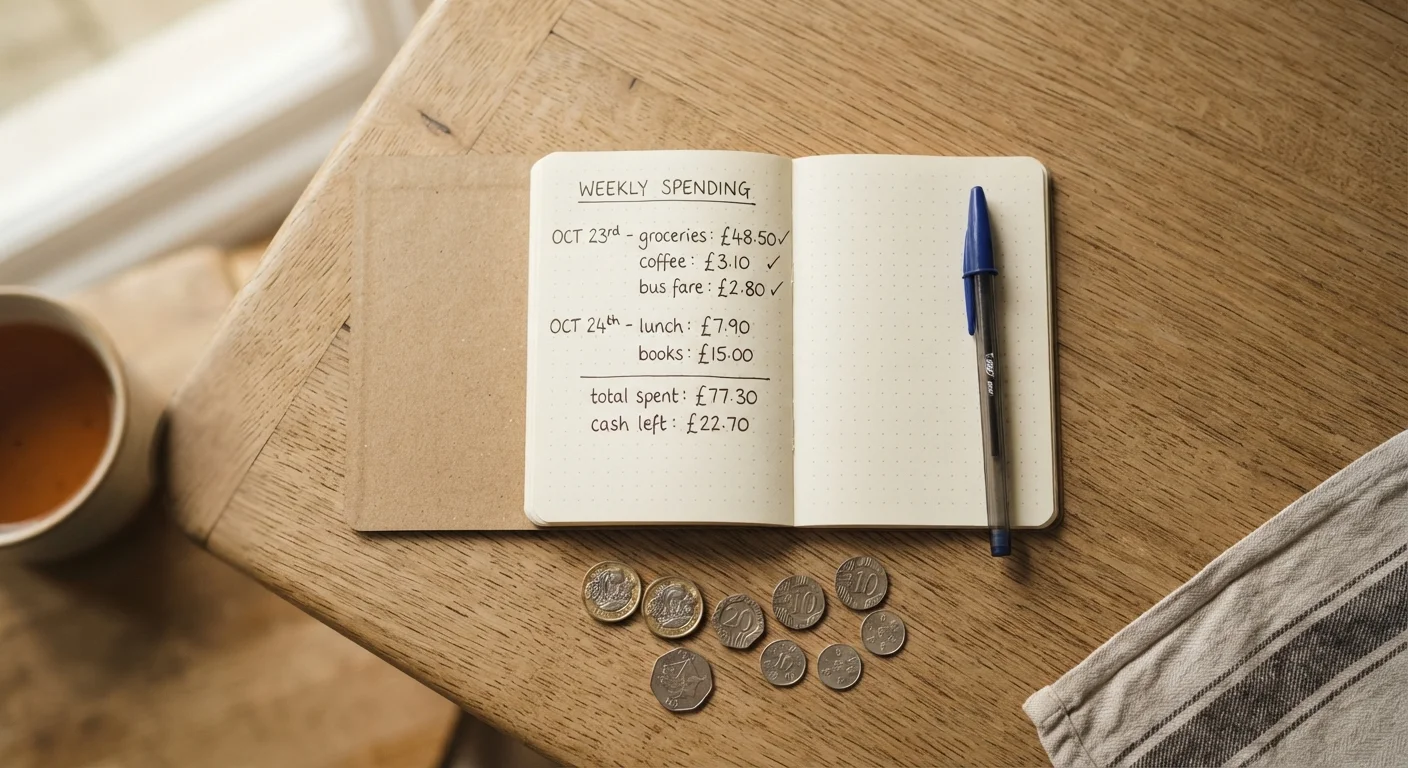
Photo credit: readerspanel.com
In this article
When every dollar is already spoken for, standard budgeting advice often misses the mark. These approaches focus on stability and avoiding financial crises first.
Key Takeaways
- Covering essential expenses before anything else protects against the crises that derail budgets entirely.
- A small, irregular emergency fund built over time does more than a perfect savings plan you cannot maintain.
- Tracking actual spending for two to four weeks reveals where money goes before you try to change it.
- Flexible budget categories reduce the guilt of imperfect months and make the system easier to continue.
- Reducing one fixed expense has a larger long-term effect than cutting many small variable ones.
Why standard budgeting advice falls short on a tight income
Most budgeting frameworks assume there is surplus to allocate. The 50/30/20 rule, for example, expects 20 percent of income to flow toward savings and debt payoff after needs and wants. For households where income barely covers rent, utilities, and groceries, that math does not work. Forcing the numbers into a framework built for a different income level produces a budget that fails within days, followed by the conclusion that budgeting itself does not work.
The goal on a tight income is not optimization. It is stability: making sure the most disruptive financial crises stay avoidable while building the smallest possible buffer against the ones that are not. If your budget feels impossible to follow, the problem is often the structure of the plan rather than a lack of discipline.
The approaches below are ordered by impact, starting with what protects against immediate harm and moving toward what builds longer-term resilience.
Practical strategies for budgets with little margin
Cover shelter, utilities, and food before allocating anything else
Missing a rent payment or having utilities shut off creates cascading costs, from late fees to security deposits, that are much harder to recover from than any other budget failure. Treating these as non-negotiable first draws protects against the worst outcomes.
Build a micro-emergency fund before focusing on debt payoff
Without any cash buffer, a flat tire or a missed shift forces credit card use, which adds to the debt load. Even $200 to $500 set aside in a separate account interrupts that cycle. The amount matters less than having something accessible.
Use spending tiers instead of rigid category limits
A budget that allows no flexibility collapses the first time an unexpected cost appears. Tiered categories, where each category has a floor (the minimum needed) and a ceiling (the maximum allowed), give the budget room to absorb variation without requiring a complete rebuild.
Identify which fixed expenses can be reduced or renegotiated
Fixed costs repeat every billing cycle, so a single reduction compounds over time. Many providers, from internet carriers to insurance companies, have retention options that are not advertised but are available to customers who ask.
Plan for irregular but predictable expenses in advance
Annual costs like car registration, back-to-school supplies, or holiday spending are not surprises, but they disrupt budgets that treat them as if they were. Dividing a known annual cost by twelve and setting that amount aside monthly converts a crisis into a planned withdrawal.
For households running on one income, these approaches apply with particular weight. Single-income household budgeting involves the same prioritization logic but with fewer income variables to adjust.
Starting where you actually are
Before adjusting any spending, track what is already happening. Write down every transaction for two to four weeks, without changing behavior during that period. The point is a realistic baseline, not an idealized one. Many people discover that their mental model of their spending differs from reality by a meaningful amount.
Once the baseline is clear, compare whether a percentage-based or dollar-amount approach fits your income pattern. Irregular income often works better with dollar-amount floors per category rather than percentages that shift every month.
Reducing one fixed cost, such as a subscription, a phone plan tier, or an insurance deductible level, tends to have a larger cumulative effect than trimming many small discretionary purchases. Fixed expenses repeat every cycle; variable ones do not. How you categorize fixed and variable costs affects which levers you actually have.
This article is for general informational purposes only and does not constitute personalized financial advice. For guidance specific to your situation, consult a qualified financial professional.

Author
Smart Shopping Editorial Team
Smart Shopping Editorial Team is the collective byline for our editorial team and contributor network. Articles published under this byline or an editorial pen name are researched, written, and reviewed according to our editorial standards for clarity, consistency, and independence before publication.
View all articles →