
Meal Prepping for People Who Find It Overwhelming
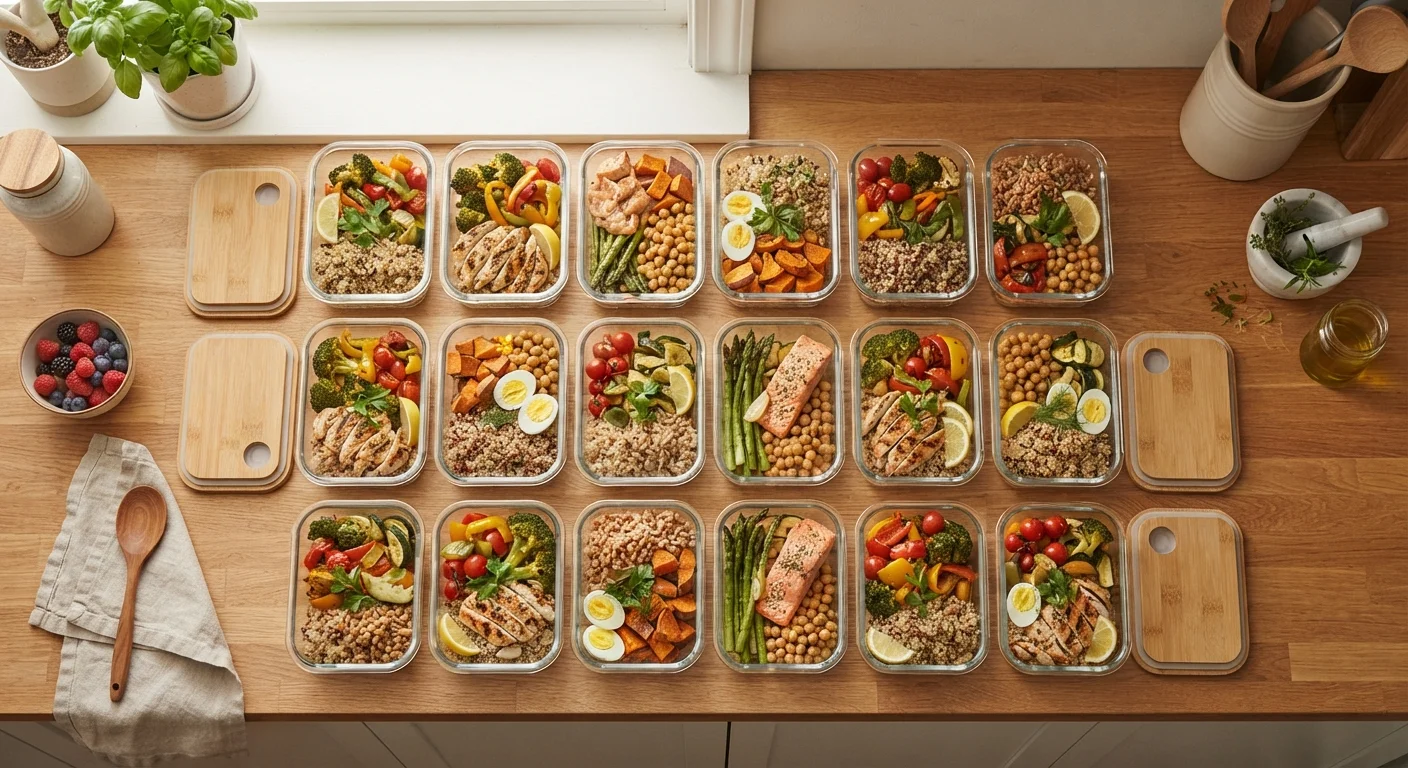
Photo credit: readerspanel.com
In this article
Start small and stay consistent. A beginner-friendly approach to planning and preparing meals without spending your whole Sunday in the kitchen.
Key Takeaways
- You don't need to prep every meal to get real benefit from meal prepping.
- Starting with just one or two components, like a cooked grain and chopped vegetables, is enough.
- A consistent but modest prep habit is more sustainable than an ambitious one you abandon.
- Good shopping habits make meal prep significantly easier before you even start cooking.
- Prepped food generally keeps well for three to four days in the refrigerator when stored properly.
Why meal prep feels so hard (and why it doesn't have to)
The version of meal prep that goes viral online, color-coded containers, twelve identical lunches, an entire Sunday sacrificed, sets an unrealistic bar. Most people see that and quietly decide it isn't for them. That reaction is reasonable.
What actually works for most households is much smaller in scope. Meal prepping, at its most useful, just means doing a bit of food preparation ahead of time so you have options ready when you're hungry and pressed for time. That might be washing salad greens on Sunday so they're usable all week, or cooking a batch of rice while you're making dinner anyway.
The resistance usually comes from an all-or-nothing framing. If you think prep means handling every meal for seven days in one session, the task feels enormous before you even begin. Dropping that expectation is the first practical step.
Component prepping
Preparing individual ingredients, such as cooked grains or chopped vegetables, rather than complete meals. This gives you flexibility to mix and match throughout the week.
Batch cooking
Cooking a larger quantity of one item at once so it can be used across multiple meals. For example, cooking a full pot of quinoa to use in lunches and dinners over several days.
Airtight container
A food storage container with a lid that seals tightly, limiting air exposure. Proper sealing slows spoilage and helps prepped food stay fresh longer in the refrigerator.
Mise en place
A French culinary term meaning 'everything in its place.' In home cooking, it refers to measuring, chopping, and organizing ingredients before you begin cooking to make the process smoother.
Food safety window
The period during which cooked food is safe to eat when stored correctly. Most cooked foods are considered safe for three to four days in the refrigerator.
What to actually prep first
The most useful starting point is prepping components, not complete meals. A cooked whole grain (brown rice, farro, or quinoa), a batch of roasted vegetables, and a simple protein source give you the building blocks to assemble many different meals quickly throughout the week. You aren't locked into eating the same thing every day, and nothing feels wasted if your plans change.
Grains are worth starting with because they take the most hands-off time. You can set a pot of rice to simmer and do other things while it cooks. Roasted vegetables are similarly low-effort: chop, toss with a little oil and salt, spread on a sheet pan, and the oven does the work.
Proteins require a bit more attention to food safety. Cooked chicken, hard-boiled eggs, or canned beans (rinsed and drained) are reliable options that refrigerate well. For anyone managing a tighter grocery budget, affordable protein choices like eggs and legumes are worth leaning on heavily.
What you bring home from the store shapes what prep is even possible. Shopping with a loose weekly plan before you go, rather than browsing and deciding on the spot, makes the prep session faster and reduces food waste.
Building a simple prep routine
Pick one consistent day and a realistic time window. For most people, an hour to an hour and a half is enough to cook a grain, roast vegetables, and prep a protein. Saturday afternoon or Sunday morning tend to work because they're before the week's busiest stretch begins.
A useful sequence for a beginner session:
- Start the grain first, since it takes the longest.
- While the grain cooks, chop vegetables and get them into the oven.
- While vegetables roast, handle the protein (cook chicken, boil eggs, or open and rinse canned beans).
- Let everything cool before sealing containers, since sealing warm food traps steam and shortens fridge life.
For a more structured approach to planning the week's meals before you shop or cook, the weekly meal planning checklist covers portioning, variety, and inventory in a step-by-step format.
Cool food before sealing containers
Placing hot food directly into sealed containers traps steam inside, which creates excess moisture and shortens how long the food stays fresh. Let cooked items rest at room temperature for no more than two hours before sealing and refrigerating. Spreading food out on a baking sheet speeds up cooling if you're short on time.
This article provides general nutrition information and is not a substitute for personalized advice from a registered dietitian or other qualified healthcare professional.
Keeping it going without burning out
The most common reason people quit meal prepping is that their first attempt was too ambitious. They planned ten meals, spent four hours in the kitchen, and felt exhausted rather than accomplished. A smaller, repeatable session done consistently does more over time.
Rotate the components you prep rather than repeating the exact same items every week. If you had rice and roasted broccoli this week, try lentils and sweet potato next week. Variety in the base ingredients keeps the habit from feeling monotonous.
When life gets busy and a full prep session isn't realistic, even partial prep counts. Washing and drying greens, portioning out snacks, or cooking one extra serving of whatever you're making for dinner all reduce friction during the week.
Eating away from home is also part of most people's lives, and a good prep habit doesn't require perfect adherence. Navigating restaurant meals with some awareness of your nutrition goals fits alongside meal prep rather than conflicting with it. The goal is a workable pattern that fits your actual schedule, not a rigid system that demands perfection.
Frequently Asked Questions

Author
Health & Wellness Editorial Team
Health & Wellness Editorial Team is the collective byline for our editorial team and contributor network. Articles published under this byline or an editorial pen name are researched, written, and reviewed according to our editorial standards for clarity, consistency, and independence before publication.
View all articles →