
Grocery Shopping Habits That Make Healthy Eating Easier All Week
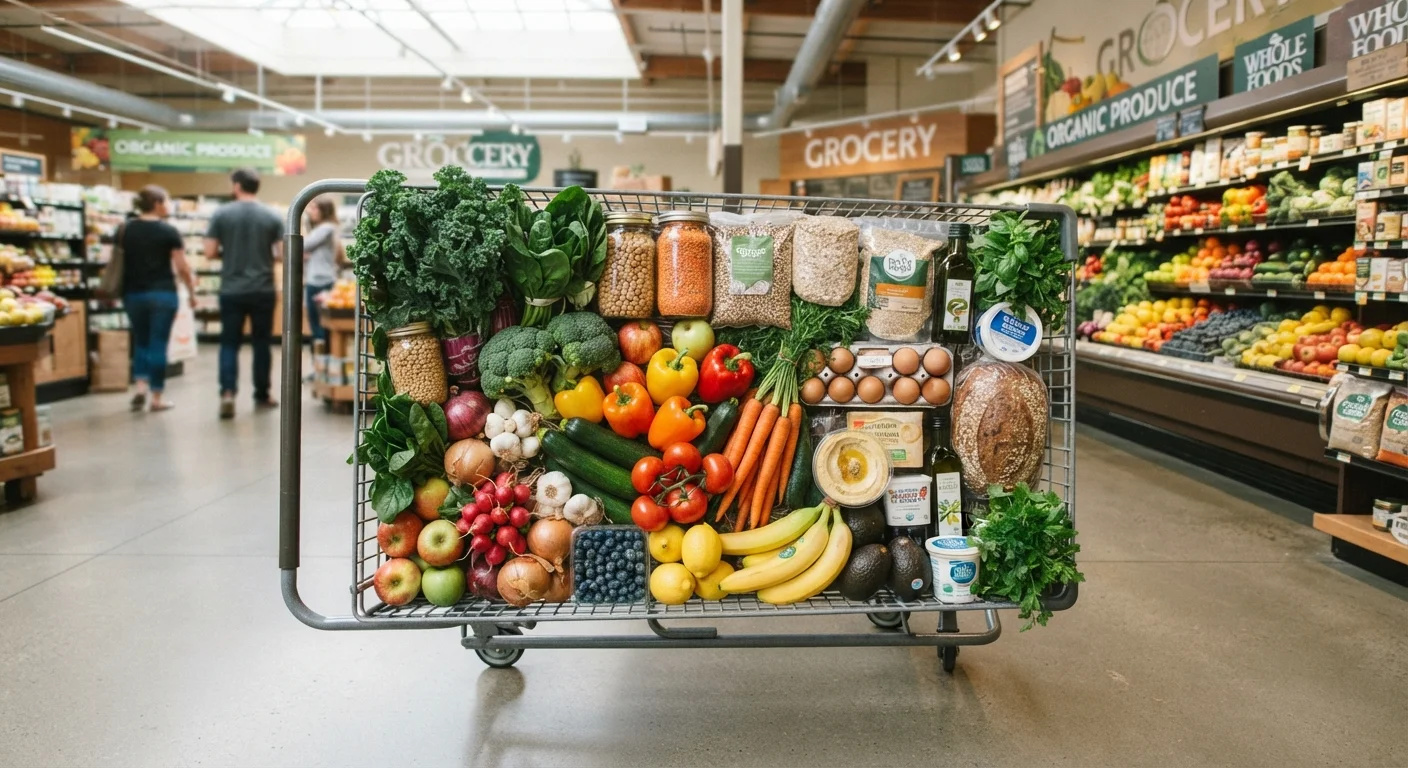
Photo credit: readerspanel.com
In this article
What you bring home shapes what you eat. Practical shopping strategies that set you up for balanced meals without extra effort.
Key Takeaways
- Shopping with a plan reduces impulse buys and keeps nutritious options stocked throughout the week.
- Organizing your cart and list by store section saves time and helps you avoid less nutritious aisles.
- Stocking versatile whole foods like grains, legumes, and frozen vegetables makes weeknight cooking far simpler.
- Reading ingredient labels briefly before buying helps you notice added sugars and sodium you might otherwise miss.
- A regular shopping schedule builds habits that take the decision fatigue out of healthy eating.
Why your cart predicts your diet
The food you eat during the week is largely determined before you ever turn on the stove. When your refrigerator and pantry hold nutrient-rich options, those are the foods you reach for when tired, rushed, or hungry. When they hold mostly processed snacks and little else, that shapes your choices just as powerfully.
This is not about perfection or strict rules. It is about making your home environment work for you rather than against you. A few consistent shopping habits can shift the weekly default toward more balanced eating with no special willpower required. The weekly meal planning checklist is a natural next step once your shopping habits are in place.
Build a list around meals, not just ingredients
Shopping without a plan typically means buying what looks appealing in the moment, which often leaves you with ingredients that do not combine into actual meals. Before you go to the store, sketch out three to four dinners for the week and note what proteins, vegetables, and grains each one needs. This takes about ten minutes and prevents the mid-week scramble that ends in takeout.
Group your list by store section: produce together, proteins together, pantry staples together. Moving through the store with a section-by-section list reduces time in processed-food aisles and makes it easier to stick to what you planned. If your household is also watching spending, the strategies for eating well on a tight budget article covers how to stretch a grocery list without cutting nutrition.
Stock the right building blocks
Healthy weeknight cooking gets much easier when your pantry holds a core set of versatile ingredients. Whole grains like brown rice, oats, and farro can anchor many meals. Canned or dried legumes provide protein and fiber quickly and cheaply. A good stock of frozen vegetables lasts for weeks and retains most of their nutrition, making them a reliable fallback when fresh produce runs low.
For produce variety, aim to pick up at least one or two vegetables you do not typically buy. The vegetables most Americans undereat article is worth a look if your cart tends toward the same three or four options. If you rely heavily on meat for protein, plant-based protein sources can show you how legumes and grains fill that role effectively.
Read labels with a light touch
You do not need to scrutinize every package, but a brief look at the ingredient list and nutrition facts on a few key products can be informative. Added sugars appear under many names including cane syrup, dextrose, and fruit juice concentrate. Sodium levels in canned soups, sauces, and deli items add up quickly when multiple servings are consumed in a day.
A practical habit is to compare two similar products when you have a few seconds, such as two pasta sauces or two yogurt varieties. The one with a shorter ingredient list and lower added sugar is usually the better routine choice. This is not about obsessing over numbers; it is about building a general sense of what is in the food your household eats regularly.
This article is for general informational purposes only and is not a substitute for personalized advice from a registered dietitian or other qualified health professional.

Author
Health & Wellness Editorial Team
Health & Wellness Editorial Team is the collective byline for our editorial team and contributor network. Articles published under this byline or an editorial pen name are researched, written, and reviewed according to our editorial standards for clarity, consistency, and independence before publication.
View all articles →