
Protein Beyond Meat: Plant-Based Sources That Cover Your Needs
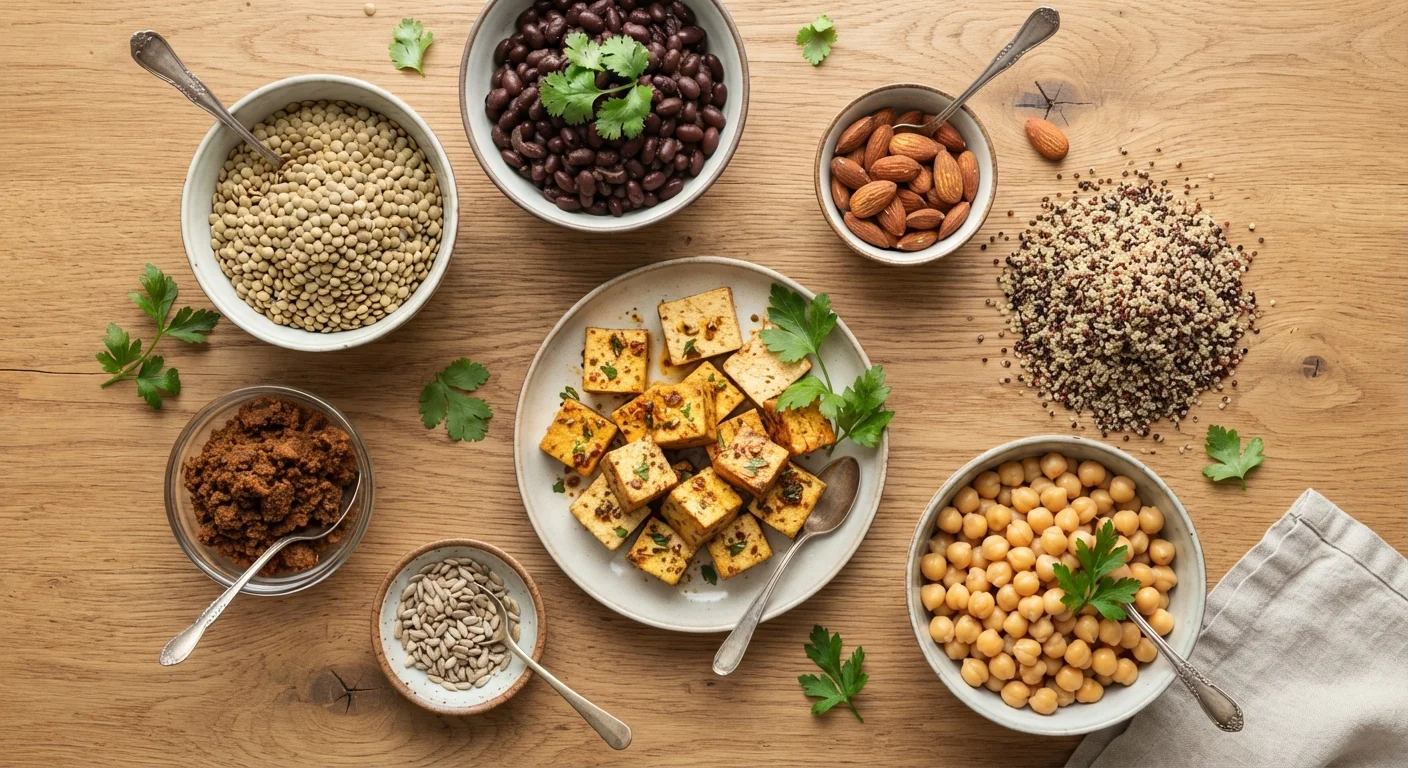
Photo credit: readerspanel.com
In this article
A practical look at legumes, grains, nuts, and seeds as protein sources, including how to combine them effectively.
Why plant protein deserves a second look
Many Americans associate protein almost exclusively with chicken, beef, or eggs. That association is understandable, but it leaves a wide range of affordable, nutrient-dense foods on the margins of everyday meals. Legumes, whole grains, nuts, and seeds all supply meaningful protein alongside fiber, vitamins, and minerals that animal proteins largely lack.
This is not an argument for eliminating meat. It is a practical case for broadening the protein sources already in your kitchen. Doing so can lower grocery costs, add dietary variety, and support long-term health, without restrictive rules. If you want guidance on building a full week of balanced meals, the weekly meal planning checklist covers pantry strategy and portioning in detail.
Complete protein
A food that contains all nine essential amino acids in amounts sufficient to meet the body's basic needs. Animal proteins and soy foods are common examples.
Essential amino acids
The nine amino acids the body cannot produce on its own and must obtain through food. They are required for muscle repair, immune function, and many other processes.
Legumes
A plant family that includes beans, lentils, peas, and peanuts. Legumes are notable for high protein and fiber content relative to their cost and calorie level.
Tempeh
A fermented soy product with a firm texture and dense protein content. Fermentation makes some nutrients more bioavailable and gives tempeh a mildly nutty flavor.
Bioavailability
The proportion of a nutrient that the body can actually absorb and use. Cooking, fermentation, and food combinations can all affect bioavailability.
The main plant protein categories
Plant proteins fall into a few practical groups, each with different culinary uses and nutritional profiles.
Legumes
Lentils, black beans, chickpeas, edamame, and split peas are among the most protein-dense plant foods available. Cooked lentils supply roughly 18 grams of protein per cup, and canned beans are nearly as concentrated. Legumes are also among the most affordable pantry staples you can buy, a point worth noting if budget is a concern. See eating well on a tight budget for strategies that stretch grocery dollars further.
Soy-based foods
Edamame, tofu, tempeh, and plain soy milk are complete proteins, meaning they contain all nine essential amino acids in adequate amounts. Tempeh, a fermented soy product, supplies around 31 grams of protein per cup and has a firm texture that works well in stir-fries or grain bowls.
Whole grains
Quinoa is a complete protein and provides roughly 8 grams per cooked cup. Amaranth, farro, and oats also contribute meaningful amounts, though they are best paired with a legume to round out the amino acid profile.
Nuts and seeds
Hemp seeds, pumpkin seeds, and peanuts lead this group. Two tablespoons of hemp seeds contain about 10 grams of protein and mix easily into yogurt, oatmeal, or smoothies. Peanut butter offers roughly 8 grams per two-tablespoon serving.
Combining proteins: what you actually need to know
For decades, nutrition guidance insisted that plant proteins had to be combined at every single meal to form complete proteins. Current evidence from registered dietitians and major nutrition organizations does not support that strict approach. As long as you eat a variety of plant foods across the day, your body assembles the amino acids it needs.
That said, some pairings are genuinely useful because they taste good together and happen to complement each other nutritionally. Rice and beans is the classic example: rice is low in lysine, beans are high in it. Hummus and whole grain pita, lentil soup with a grain roll, and peanut butter on whole wheat bread all follow the same logic naturally.
| Protein in cooked lentils (1 cup) | ~18 g (USDA FoodData Central) |
| Protein in cooked tempeh (1 cup) | ~31 g (USDA FoodData Central) |
| Protein in cooked quinoa (1 cup) | ~8 g (USDA FoodData Central) |
| Protein in hemp seeds (2 tbsp) | ~10 g (USDA FoodData Central) |
| Protein in peanut butter (2 tbsp) | ~8 g (USDA FoodData Central) |
| Soy foods that are complete proteins | Tofu, tempeh, edamame, soy milk |
Practical ways to add more plant protein
Small, consistent swaps tend to work better than large overhauls. A few approaches that fit into normal cooking:
- Stir canned white beans into pasta sauce or soup for a protein boost that barely changes the flavor.
- Swap half the ground meat in chili or taco filling with cooked lentils.
- Add a tablespoon of hemp or pumpkin seeds to a salad or grain bowl.
- Use plain Greek yogurt alongside tofu scrambles to vary protein sources at breakfast.
- Keep a container of cooked quinoa or farro in the refrigerator for quick weekday meals.
When you are already working to eat more produce, the transition is easier than it looks. The vegetables you may be undereating article pairs well with this approach, since many nutrient-dense vegetables also contribute small but real amounts of protein. And making these foods a regular habit starts at the store: grocery shopping habits that support healthy eating can help you stock the right staples consistently.
This article is for general informational purposes only and is not a substitute for advice from a registered dietitian or qualified healthcare professional. Individual nutritional needs vary. Please consult a professional for guidance tailored to your health situation.

Author
Health & Wellness Editorial Team
Health & Wellness Editorial Team is the collective byline for our editorial team and contributor network. Articles published under this byline or an editorial pen name are researched, written, and reviewed according to our editorial standards for clarity, consistency, and independence before publication.
View all articles →