
Vegetables You're Probably Undereating and Why They Matter
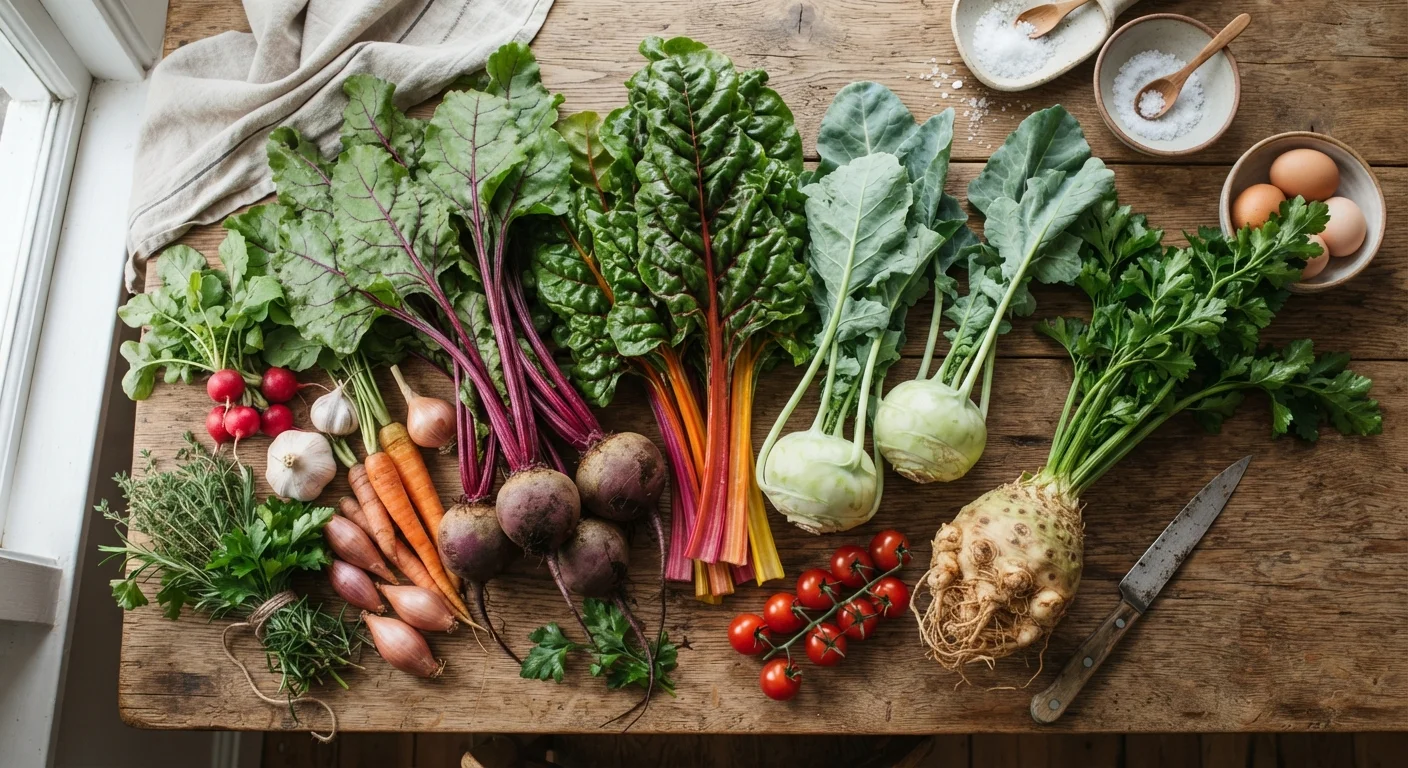
Photo credit: readerspanel.com
In this article
Most Americans fall short on produce variety. Discover which vegetables are especially nutrient-dense and easy to add to meals.
Key Takeaways
- Most American adults fall well short of the recommended vegetable intake, especially in variety.
- Some of the most nutrient-dense vegetables rarely appear on the average dinner plate.
- Adding one or two unfamiliar vegetables at a time is a realistic, sustainable approach.
- Frozen and canned versions of these vegetables can be just as nutritious as fresh.
- Always consult a healthcare professional for personalized dietary guidance.
Why vegetable variety matters more than quantity alone
Eating the same three or four vegetables week after week does cover some nutritional ground, but different vegetables supply different combinations of vitamins, minerals, fiber, and phytonutrients. Relying on a narrow range means you are likely missing compounds that those vegetables simply do not contain. Federal dietary data consistently shows that Americans eat far less produce variety than guidelines recommend, and the shortfall is widest among vegetables outside the iceberg-lettuce-and-corn tier.
The good news: you do not need to overhaul your diet. Swapping or adding one or two vegetables at a time is enough to meaningfully broaden your nutrient intake. If building a shopping list that supports this sounds daunting, the strategies in this guide to grocery shopping habits can help you make it automatic.
Beets
Beets supply folate, manganese, and dietary nitrates. Dietary nitrates are compounds the body converts to nitric oxide, which supports healthy blood vessel function. Beets also contain betalains, pigments with antioxidant properties that are relatively rare in other vegetables. Both roasted beets and canned beets (rinsed to reduce added sodium) work well in salads or grain bowls. People taking blood pressure medication should check with their doctor before adding large amounts, since beets can have a mild blood-pressure-lowering effect.
Beets contain dietary nitrates that the body converts to nitric oxide, supporting blood vessel health.
Swiss chard
Swiss chard is one of the more nutrient-dense leafy greens available, yet it appears far less often than spinach or kale in American kitchens. One cooked cup provides substantial amounts of vitamins K, A, and C, plus magnesium and potassium. The leaves wilt quickly in a hot pan, so it is a fast add to stir-fries, soups, or pasta. People who take blood thinners should keep their vitamin K intake consistent rather than suddenly increasing it, so check with a provider before eating large quantities regularly.
Swiss chard delivers vitamins K, A, and C alongside magnesium and potassium in a single cooked cup.
Kohlrabi
Kohlrabi looks unusual but tastes mild, somewhere between broccoli stems and a water chestnut. It belongs to the cruciferous family (alongside broccoli, cabbage, and Brussels sprouts), which means it supplies glucosinolates, plant compounds studied for their potential health properties. It is also a good source of vitamin C and dietary fiber. Raw kohlrabi slices work well with dip; roasted or shredded into slaws, it holds up well with stronger flavors.
Kohlrabi belongs to the cruciferous vegetable family and provides vitamin C and dietary fiber.
Edamame
Frozen edamame is one of the most convenient ways to add both vegetables and plant-based protein to a meal. A half-cup serving of shelled edamame contains roughly 9 grams of protein alongside folate, vitamin K, and iron. Because edamame is a complete protein source (meaning it contains all essential amino acids), it can support meals that are light on animal protein. For a fuller picture of plant protein options, this guide to plant-based protein sources goes deeper on combining and using legumes effectively.
Edamame is a complete plant protein that also provides folate, vitamin K, and iron.
Celeriac (celery root)
Celeriac is the bulbous root of a celery variety bred specifically for its root rather than its stalks. It has a mild, slightly nutty flavor and a starchy texture that holds up to roasting, mashing, or adding to soups. Nutritionally, it provides vitamin C, phosphorus, and a reasonable amount of fiber. It is lower in starch than potatoes, making it a practical way to add volume and nutrients to meals. The rough outer skin peels off easily with a knife.
Celeriac is a starchy root vegetable with a mild flavor that works well roasted, mashed, or in soups.
Arugula
Arugula is a leafy green with a peppery bite that many people associate only with restaurant salads. It contains vitamin K, folate, and calcium, and like other cruciferous vegetables supplies glucosinolates. Because the flavor is stronger than romaine or iceberg, it pairs well with mild grains, roasted vegetables, or a simple lemon dressing to balance it. Baby arugula has a gentler taste if the full peppery version feels too intense.
Arugula supplies vitamin K, folate, and calcium and belongs to the nutrient-rich cruciferous vegetable family.
Turnip greens
When turnips are sold with their greens attached, most people discard the tops. Those greens are nutritionally dense, with high levels of vitamins K, A, and C, plus calcium and folate. They cook similarly to collard greens or mustard greens, and a short braise or saute with garlic softens both their texture and their slightly bitter edge. If you buy turnips without greens, look for them sold separately in the produce section of stores that carry Southern or soul food staples.
Turnip greens are often discarded but contain high levels of vitamins K, A, C, calcium, and folate.
Making these vegetables work in real life
Raw preparation is not required for most of the vegetables above. Roasting, steaming, and sauteing all preserve meaningful levels of nutrients, and for some compounds, light cooking actually improves availability. Frozen versions of beets, edamame, and leafy greens are nutritionally comparable to fresh and much easier to keep stocked. If budget is a factor, eating well on a tight budget covers how to get strong nutritional value without higher grocery bills.
Several of these vegetables also supply micronutrients that many Americans under-consume, including magnesium, potassium, and folate. For a broader look at which nutrients tend to fall short across different eating patterns, see this overview of commonly missed micronutrients.
Start with one new vegetable at a time
Trying to incorporate several unfamiliar vegetables at once often leads to wasted produce and abandoned plans. Pick one from this list, find a preparation method that sounds straightforward, and give it two or three attempts before deciding whether it fits your routine. Taste preferences can shift with repeated, low-pressure exposure.
This article is for general informational purposes only and is not a substitute for personalized medical or dietary advice. Talk to a registered dietitian or your healthcare provider before making significant changes to your diet, especially if you have an existing health condition.

Author
Health & Wellness Editorial Team
Health & Wellness Editorial Team is the collective byline for our editorial team and contributor network. Articles published under this byline or an editorial pen name are researched, written, and reviewed according to our editorial standards for clarity, consistency, and independence before publication.
View all articles →