
Pruning Timing Errors That Set Back Flowering Shrubs by a Full Season
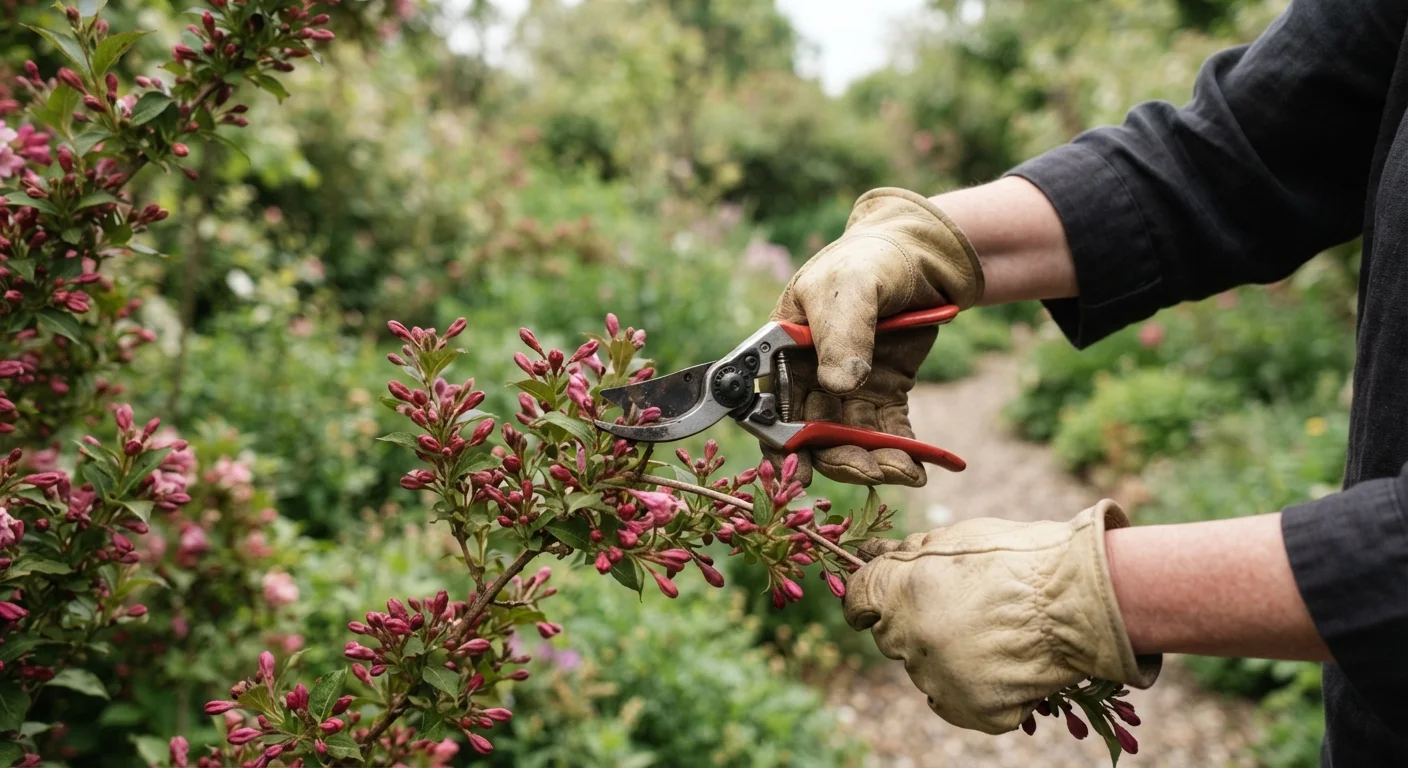
Photo credit: readerspanel.com
In this article
Pruning at the wrong time removes next year's buds before they ever bloom. Understand bloom cycles to know when each shrub should actually be cut.
Key Takeaways
- Spring-blooming shrubs set their flower buds in summer and fall, so pruning after midsummer removes next year's blooms.
- Summer-blooming shrubs flower on new wood and tolerate late-winter or early-spring pruning well.
- A shrub that fails to bloom rarely needs more fertilizer; mistimed pruning is the most common cause.
- Knowing whether a shrub blooms on old wood or new wood is the single most useful pruning fact you can learn.
- Hard renovation cuts can be staged over two to three years to avoid eliminating all flowering wood at once.
Why timing matters more than technique
Most flowering shrubs fail to bloom for one reason: someone pruned them at the wrong time of year. The cut itself may have been clean and well-placed, but if it happened while the plant was carrying next season's flower buds, those buds were gone the moment the blade closed. Understanding when buds form, and on what type of wood, prevents a full year of waiting for flowers that will never arrive.
Flowering shrubs fall into two broad categories. Shrubs that bloom in spring and early summer, such as lilac, forsythia, azalea, and viburnum, develop their buds on wood that grew the previous season. That wood is already present by midsummer. Shrubs that bloom in mid to late summer, such as butterfly bush, rose of Sharon, and most hydrangeas that flower on new growth, form buds on the current season's stems. Each group needs a different pruning window, and confusing the two is the most common timing error home gardeners make.
Common pruning timing mistakes and how to avoid them
Pruning spring-blooming shrubs in fall or late winter.
Why it happens: Fall feels like a natural cleanup time, and many gardeners apply the same schedule to all shrubs regardless of bloom type. Late-winter pruning feels productive before spring growth begins.
Shearing all shrubs on the same annual date as a routine task.
Why it happens: A uniform schedule is easier to remember and execute, especially in larger yards. Many homeowners inherit this habit from landscaping crews who prioritize speed over bloom cycles.
Cutting back a late-summer bloomer in early summer before it has set buds.
Why it happens: Gardeners sometimes confuse the timing rules and assume new-wood bloomers need to be left alone in spring as well. Others prune reactively when a shrub looks leggy.
Performing a hard renovation cut on an old-wood bloomer all at once.
Why it happens: An overgrown shrub looks like it needs an aggressive reset, and the one-cut approach seems efficient.
Pruning any shrub immediately after a heat wave or drought stress.
Why it happens: Gardeners may assume that cutting back a stressed plant will reduce its water demand and help it recover faster.
Timing errors compound quickly. A single misguided fall pruning of an old-wood bloomer wipes out both the current bud set and the branch structure that would have carried the next flush of growth. If you are uncertain about a shrub's bloom cycle, wait one full season and observe when it flowers before reaching for the pruners. That patience costs nothing and prevents a year of lost color.
For more on protecting your garden before winter sets in, see the fall garden prep checklist, which covers which shrubs benefit from light protective wrapping versus those that need no intervention at all.
Old wood versus new wood: the essential distinction
Old wood is any stem that grew during a prior season and has hardened over winter. New wood is the current season's growth, still green and actively elongating. Spring-blooming shrubs produce buds on old wood during the summer following their bloom, meaning the window to prune without sacrificing flowers closes shortly after the flowers fade. For most spring bloomers, the safe window is roughly four to six weeks after the last flower drops.
New-wood bloomers are more forgiving. Because they produce buds on stems that emerge in spring, cutting them back in late winter or very early spring removes only old, spent wood. This actually encourages vigorous new growth and, with it, more flowering stems. Butterfly bush and panicle hydrangeas (Hydrangea paniculata) fall here. Bigleaf hydrangeas (Hydrangea macrophylla) and smooth hydrangeas (Hydrangea arborescens) can be more variable, and some cultivars bloom on both old and new wood, so confirming the specific cultivar before pruning prevents surprises.
4-6 weeks
Safe pruning window after bloom for old-wood shrubs
Horticulture extension programs at land-grant universities consistently cite this post-bloom window as the cutoff before next season's buds begin forming on old-wood shrubs.
1/3
Maximum stems to remove per year in renovation pruning
The one-third annual removal rule for overgrown shrubs is a standard guideline taught by cooperative extension services to balance rejuvenation with continued flowering.
2-3 years
Seasons to complete a full shrub renovation
Spreading hard renovation cuts across two to three seasons prevents the complete loss of bud-bearing wood and keeps a shrub blooming throughout the process.
Renovation pruning and the multi-year approach
Overgrown shrubs sometimes need substantial cuts to restore shape and air circulation. The temptation is to do it all at once, but a single hard cut on an old-wood bloomer removes every bud-bearing stem simultaneously. A staged approach spreads the work over two to three seasons: cut one-third of the oldest stems to the base each year, leaving the remaining wood to carry buds and flowers while new growth regenerates below.
This method works well for lilacs, forsythia, weigela, and old-growth azaleas. The shrub never goes fully dormant from a visual standpoint, and it continues blooming on the uncut wood each spring. By the third year, the entire plant consists of younger, more productive stems. The same principle applies when timing is off in the garden more broadly: fertilization timing mistakes follow a similar pattern where a single well-intentioned action at the wrong moment sets a plant back by a full growth cycle.
When shrubs are genuinely struggling despite correct pruning timing, check soil drainage, light exposure, and root competition before assuming any other cause. Correcting the pruning calendar is the first step; ruling out site problems is the second.

Author
Home & Garden Editorial Team
Home & Garden Editorial Team is the collective byline for our editorial team and contributor network. Articles published under this byline or an editorial pen name are researched, written, and reviewed according to our editorial standards for clarity, consistency, and independence before publication.
View all articles →