
Lawn Fertilization Timing and Why Getting It Wrong Hurts More Than It Helps
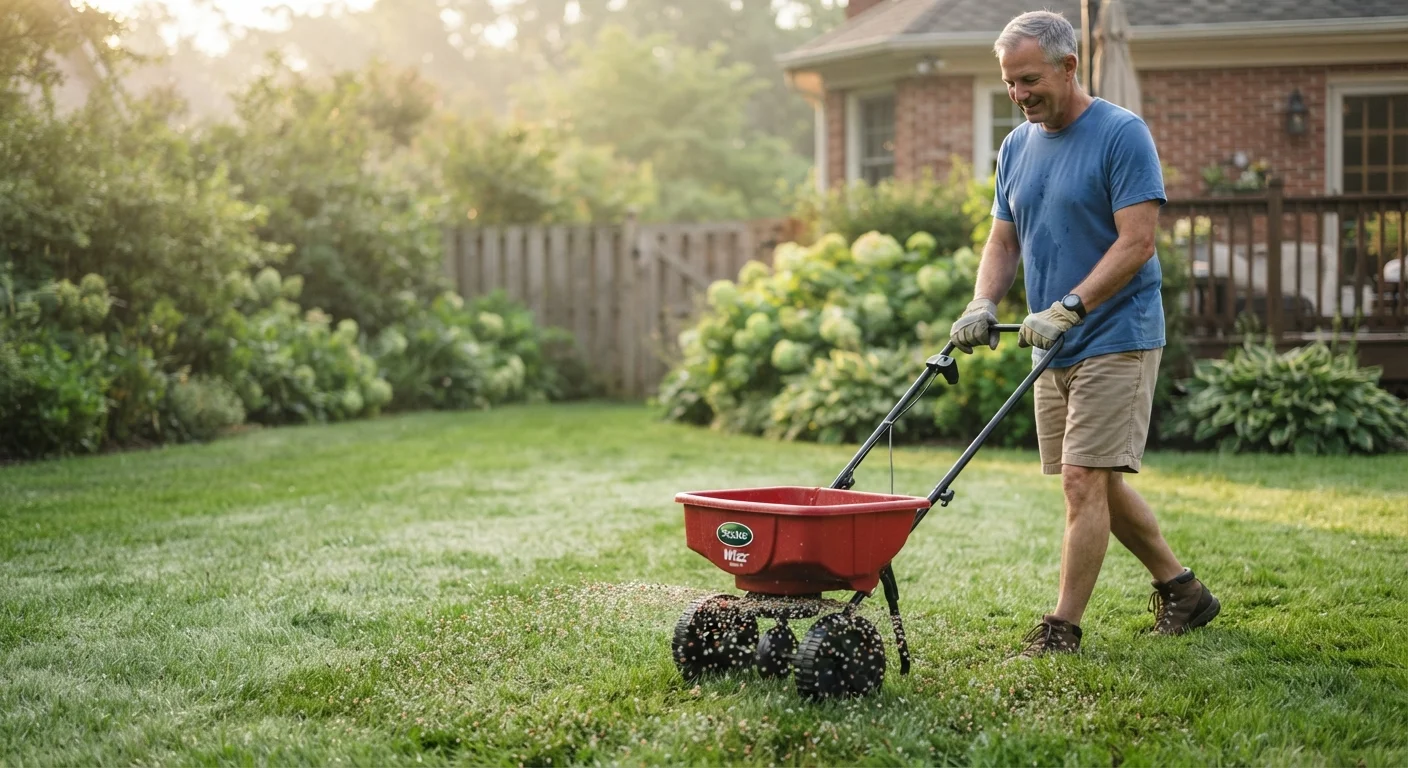
Photo credit: readerspanel.com
In this article
Fertilizing at the wrong time wastes money and can stress your grass. Learn when different grass types actually need feeding and why.
Key Takeaways
- Grass type determines fertilization timing: cool-season and warm-season grasses need feeding at opposite times of year.
- Fertilizing during summer heat or drought stress can burn grass and worsen existing damage.
- A soil test before fertilizing prevents over-application of nutrients the lawn already has in excess.
- Fall feeding is often the most productive window for cool-season grasses like fescue and bluegrass.
- More fertilizer does not mean faster growth; excess nitrogen leaches into groundwater and weakens root systems.
Why timing matters more than product choice
Lawn fertilizer works only when the grass is actively growing and ready to absorb nutrients. Apply it outside that window and the nitrogen, phosphorus, and potassium either sit unused in the soil, volatilize into the air, or wash away in the next rain. The grass gets nothing useful, and you may cause damage in the process.
The single biggest variable is grass type. Cool-season grasses grow most actively in fall and spring, when soil temperatures range from roughly 50 to 65 degrees Fahrenheit. Warm-season grasses grow hard through summer and go dormant in winter. Feeding either type during its dormant or stressed period wastes fertilizer and can set the lawn back by weeks. Timing your applications to match active growth cycles is more effective than any premium formula on a store shelf.
Watering habits also interact with fertilization. A lawn that receives shallow, frequent watering develops weak surface roots that cannot absorb nutrients efficiently. Deep, infrequent watering encourages roots to grow downward, where soil nutrients are more stable and available.
Fertilizing cool-season grass in midsummer, when it is already under heat stress.
Why it happens: Homeowners see slow growth or yellowing in July and assume the lawn needs feeding, not realizing summer dormancy is a natural survival response.
Feeding warm-season grass in early spring before it fully breaks dormancy.
Why it happens: The calendar says spring, so fertilizing feels like the right next step, even if the soil temperature is still too low for Bermuda, zoysia, or St. Augustine to absorb nutrients.
Skipping a soil test and guessing at what the lawn needs.
Why it happens: Soil tests feel like an unnecessary extra step when bags of lawn fertilizer are already available and the problem looks obvious.
Applying fertilizer before heavy rain or on waterlogged soil.
Why it happens: Homeowners often treat a rainy forecast as convenient watering, not realizing that runoff will carry soluble nutrients off the lawn before they can be absorbed.
Fertilizing too frequently because the lawn looks like it needs a boost.
Why it happens: More feeding seems like it should produce better results, and annual feeding schedules from fertilizer bags do not always account for the lawn's actual condition or local soil.
How to build a fertilization schedule that fits your lawn
Start by identifying your grass type, then find your region's average soil temperature patterns. Most university extension programs publish guides specific to US climate zones, and many offer free or low-cost soil testing through local county offices. That test result tells you what is actually deficient rather than what you assume is missing.
For cool-season lawns, a fall application (September through early November, depending on your region) is the most productive of the year. Roots store nutrients over winter and use them for vigorous spring green-up. A moderate early-spring application is optional if the soil test shows a deficit. Skip summer entirely unless your soil test reveals a specific micronutrient problem unrelated to nitrogen.
For warm-season lawns, wait for consistent green-up in late spring, apply through early summer, and stop feeding six to eight weeks before your area's first expected frost. Late-season nitrogen on warm-season grass pushes tender growth that frost will kill.
Timing errors in lawn care follow the same pattern as timing errors elsewhere in the garden. Pruning at the wrong moment removes next season's buds; fertilizing at the wrong moment removes the lawn's ability to respond. Off-season soil improvement strategies, like those described in cover cropping for home gardens, can also reduce how much synthetic fertilizer your lawn needs by building organic matter and natural nitrogen over time.
Fertilizing stressed grass causes damage
Applying fertilizer to drought-stressed, heat-stressed, or newly seeded grass accelerates damage rather than aiding recovery. Fertilizer salts draw moisture away from root cells when soil is dry, causing burn. Always water the lawn adequately before and after any fertilizer application, and skip feeding entirely during prolonged dry spells.
This article provides general lawn care information for educational purposes. Local soil conditions, grass varieties, and climate vary widely across the United States. Consult your local cooperative extension service for region-specific recommendations.

Author
Home & Garden Editorial Team
Home & Garden Editorial Team is the collective byline for our editorial team and contributor network. Articles published under this byline or an editorial pen name are researched, written, and reviewed according to our editorial standards for clarity, consistency, and independence before publication.
View all articles →