
Fall Garden Prep: What to Do Before the Ground Freezes
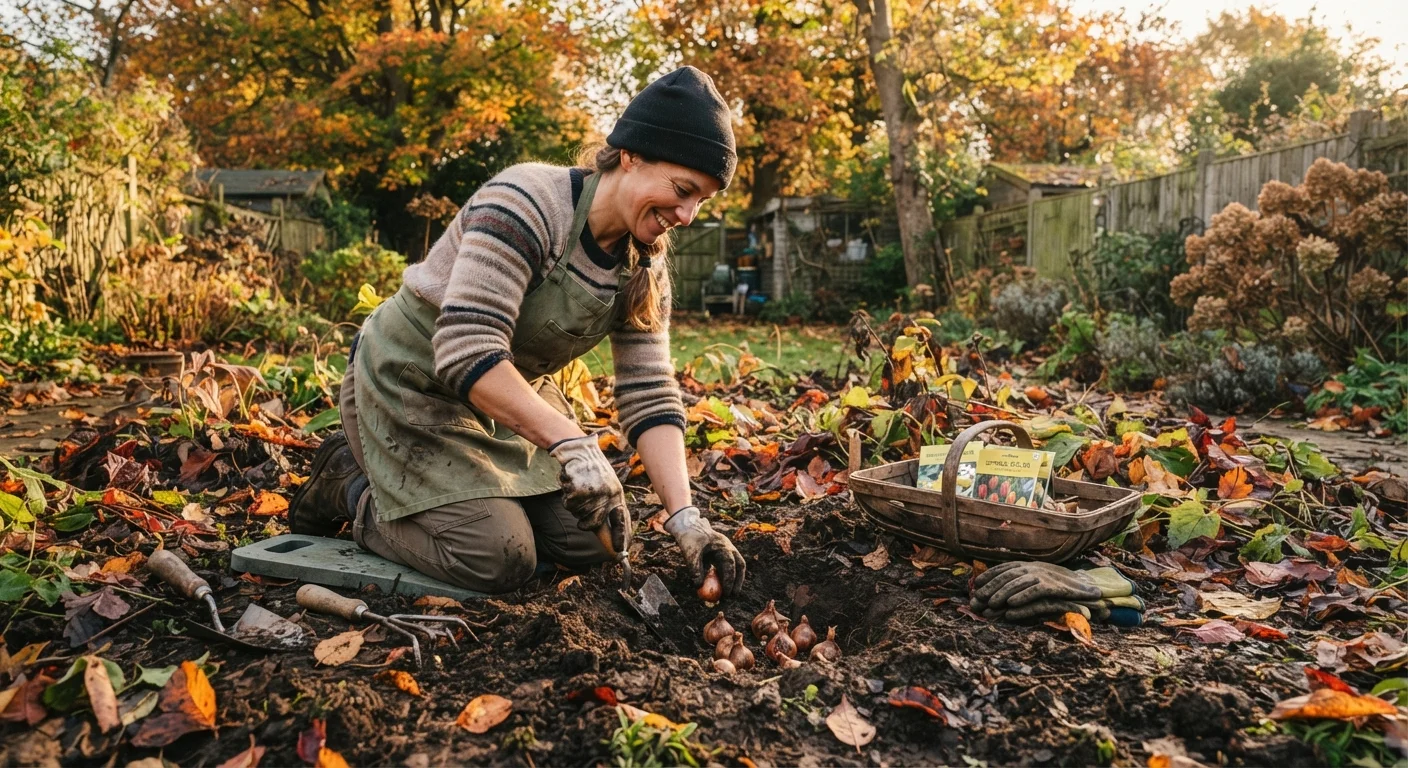
Photo credit: readerspanel.com
A practical seasonal checklist covering soil amendment, bulb planting, tool storage, and protective measures to set your garden up for spring.
Key Takeaways
- Amend soil with compost in fall so organic matter breaks down before spring planting.
- Spring-blooming bulbs such as tulips and daffodils must go in the ground before hard frost.
- Leaving perennial stems standing over winter can protect crowns and support beneficial insects.
- Drain and store hoses and irrigation lines before temperatures drop below freezing.
- A layer of mulch over beds insulates soil and reduces frost-heave damage to plant roots.
- Cover crops sown now protect bare soil and improve soil structure through winter.
Why fall prep matters more than spring cleanup
Most gardeners pour energy into spring, but the work done in fall often determines how well a garden rebounds the following year. Soil amendments applied now have months to integrate. Bulbs planted before frost lock in the chilling hours they need to bloom. Tools stored properly last longer. This checklist walks through the tasks worth doing before the ground freezes in your region, roughly from the first hard frost warning through late fall.
Timing varies by USDA hardiness zone. Gardeners in zones 3 to 5 may need to start in September; those in zones 7 to 8 often have until December. Check your local average first-frost date as a planning anchor.
Soil and beds
Bulbs and perennials
Mulching and protection
Water and irrigation
Tools and equipment
Notes on a few checklist items
Soil amendment: Fall is a practical time to add compost because you are not racing to plant. Work 2 to 3 inches of finished compost into the top 6 to 8 inches of bed soil. See the complete composting guide for tips on producing and using compost at home.
Cover crops: If you have bare vegetable beds, sowing a cover crop such as winter rye or crimson clover now prevents erosion and adds organic matter. The cover crops overview covers which types suit typical home garden beds.
Pruning shrubs: Fall is not the right time to prune most flowering shrubs. Cutting back now can remove next season's buds. The guide to pruning timing explains bloom cycles and when each shrub type should actually be cut.
Do not prune flowering shrubs in fall
Shrubs such as lilac, forsythia, and hydrangea paniculata set next year's buds in late summer or early fall. Cutting them back now removes those buds and reduces or eliminates next season's bloom. Hold all shrub pruning until the right point in their bloom cycle.
Spring seed starting: Once beds are prepped and mulched, note what you want to grow from seed next year. The indoor seed-starting guide covers germination timing and the transition to outdoor beds.

Author
Home & Garden Editorial Team
Home & Garden Editorial Team is the collective byline for our editorial team and contributor network. Articles published under this byline or an editorial pen name are researched, written, and reviewed according to our editorial standards for clarity, consistency, and independence before publication.
View all articles →