
How Veterinarians Assess a Healthy Weight in Pets
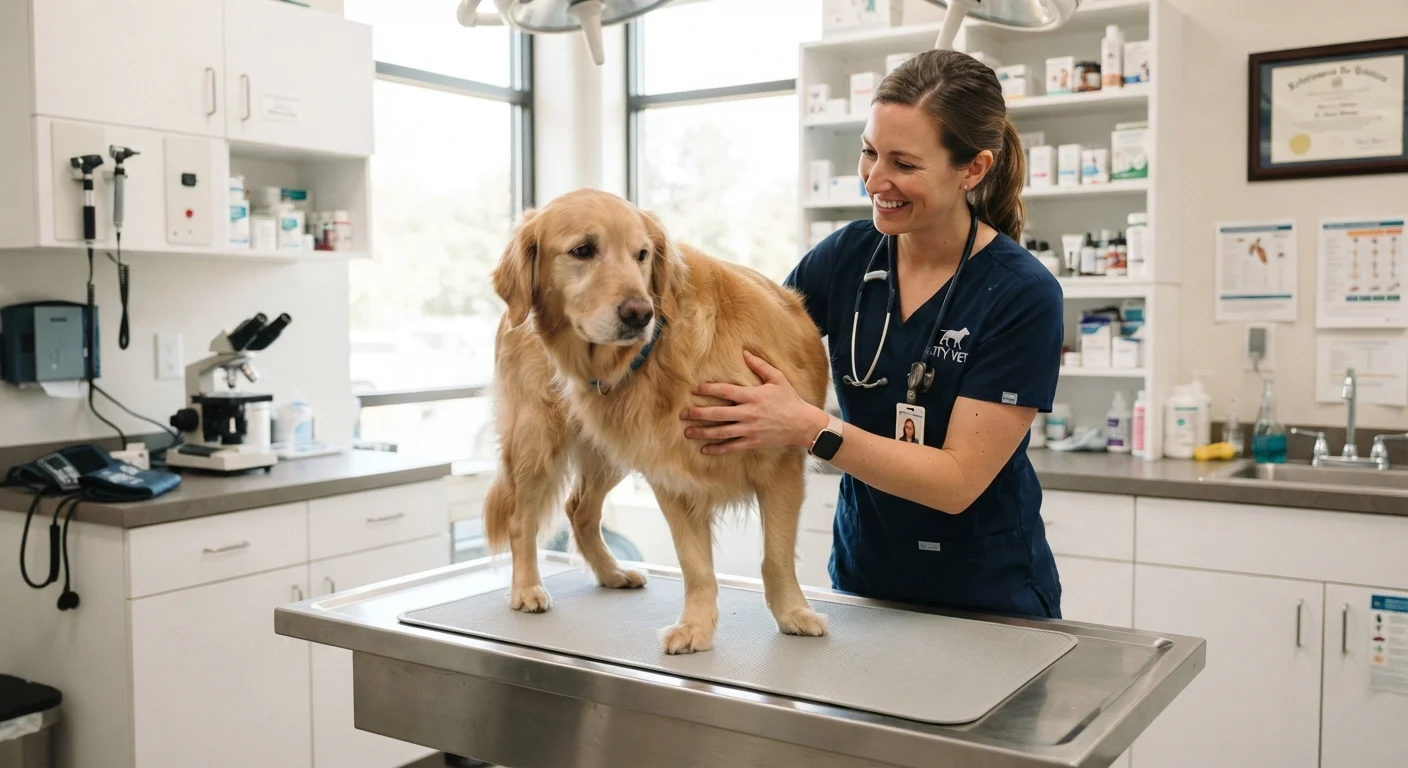
Photo credit: readerspanel.com
In this article
Body condition scoring, rib palpation, and waist visibility are tools vets use to gauge pet weight. Learn what they look for and why it matters.
Key Takeaways
- Body condition scoring, not scale weight alone, is the standard tool vets use to assess pet health.
- Vets check rib palpability and waist definition as two of the most reliable physical indicators.
- Overweight pets face increased risk of joint disease, diabetes, and shortened lifespan.
- Owners can learn basic BCS techniques at home to monitor pets between visits.
- Breed, age, and reproductive status all affect what a healthy weight looks like for an individual pet.
Why scale weight alone is not enough
When a pet steps on a clinic scale, the number is a useful starting point but it tells an incomplete story. A 12-pound cat could be lean and muscular or overweight and sedentary. A 70-pound Labrador could be at a healthy weight or carrying several extra pounds of fat under a thick coat. Vets use body condition scoring alongside weight measurements because body composition, how much of that weight is fat versus muscle and bone, is what connects to long-term health outcomes.
Body condition scoring gives every assessment a consistent framework. Whether a pet is seen by the same vet for years or visits a new clinic, a trained professional can evaluate the animal against the same criteria and communicate findings clearly. This consistency matters when tracking changes over time, which is where health risk often becomes visible first.
For owners, understanding what vets look for turns a routine weight check into something more meaningful. The annual vet visit covers more than vaccines, and the weight and BCS assessment is one of the most informative parts of a physical exam.
The three main things vets check
Veterinarians focus on three physical assessments when scoring body condition: rib palpation, waist definition, and abdominal tuck.
Rib palpation
The vet runs their fingers along the sides of the chest to feel the ribs. In a pet at a healthy weight, the ribs are easy to feel with light pressure, similar to running a finger over the back of your hand with skin covering the knuckles. If ribs require firm pressure to detect, excess fat is present. If ribs are immediately visible or feel sharp under minimal pressure, the pet may be underweight.
Waist definition
Viewed from directly above, a pet at a healthy weight shows an hourglass shape, with the body narrowing between the ribcage and the hips. Pets carrying excess weight lose this taper, and the body appears oval or rectangular from above.
Abdominal tuck
Seen from the side, the belly should angle upward from the ribcage toward the hindquarters. A pet with little to no tuck, where the underline is flat or sags downward, often carries excess abdominal fat. A severely tucked or sunken abdomen can signal underweight status or underlying illness.
Ask your vet to explain the score
At your next visit, ask the vet to show you where on the BCS scale your pet lands and what physical signs led to that number. Vets are generally happy to demonstrate rib palpation technique so owners can replicate a basic check at home. This takes less than two minutes and makes monitoring between visits far more accurate.
Taken together, these three checks let a vet assign a BCS number and describe the finding in language owners can understand and repeat at home.
How breed, age, and reproductive status affect the assessment
A BCS is always interpreted in context. Greyhounds, Whippets, and other sighthound breeds have naturally visible spinal processes and show more rib definition than most breeds, which is normal for their body type. Assigning a greyhound a BCS using criteria designed for a Labrador would produce a misleading result.
Age changes body composition even when weight stays the same. Older pets tend to lose muscle mass while fat percentage increases, a condition sometimes called sarcopenic obesity. A senior cat may weigh exactly what it did at age three but have significantly less muscle, which carries its own health implications separate from fat distribution.
Intact female pets and those who have recently given birth or are nursing have temporarily altered body needs and normal variation in their condition scores. Vets factor these states into the assessment rather than applying a fixed ideal across all animals of the same species.
Open communication with your vet about your pet's history, including past weight changes, diet, and activity level, helps the assessment reflect the full picture rather than a single data point.
What owners can do between vet visits
Owners can perform a simplified version of rib palpation and the overhead waist check at home. Place both hands on the sides of your pet's chest, thumbs along the spine, and apply gentle pressure with your fingers. If you can feel the ribs without pressing hard, that is a positive sign. If you cannot locate them without significant pressure, the pet may be carrying excess weight.
At-home monitoring is most useful when paired with a log. Noting changes in how easily ribs are felt, or whether the waist shape has shifted over several weeks, gives your vet information that a single annual snapshot cannot.
Weight gain in pets often happens gradually and is easy to miss. A pet that gains half a pound per month may look essentially the same from week to week, but over a year that adds up to six pounds, which for a small dog or cat is a significant proportion of body weight.
59%
Dogs classified as overweight or obese in the U.S.
According to the Association for Pet Obesity Prevention's 2022 clinical survey of veterinary practices across the United States.
61%
Cats classified as overweight or obese in the U.S.
From the same 2022 Association for Pet Obesity Prevention survey, based on body condition scoring conducted during routine vet exams.
If you notice changes in appetite, activity, or body shape between scheduled visits, contact your vet rather than waiting for the next routine appointment. Early assessment is more effective than correcting an established problem. See also how dental health connects to overall wellness, since weight and oral health are both tracked during routine exams.
This article is for general informational purposes only and is not veterinary medical advice. Always consult a licensed veterinarian for guidance specific to your pet's health needs.
Frequently Asked Questions

Author
Pets & Animals Editorial Team
Pets & Animals Editorial Team is the collective byline for our editorial team and contributor network. Articles published under this byline or an editorial pen name are researched, written, and reviewed according to our editorial standards for clarity, consistency, and independence before publication.
View all articles →