
What Your Dog's Annual Vet Visit Actually Covers
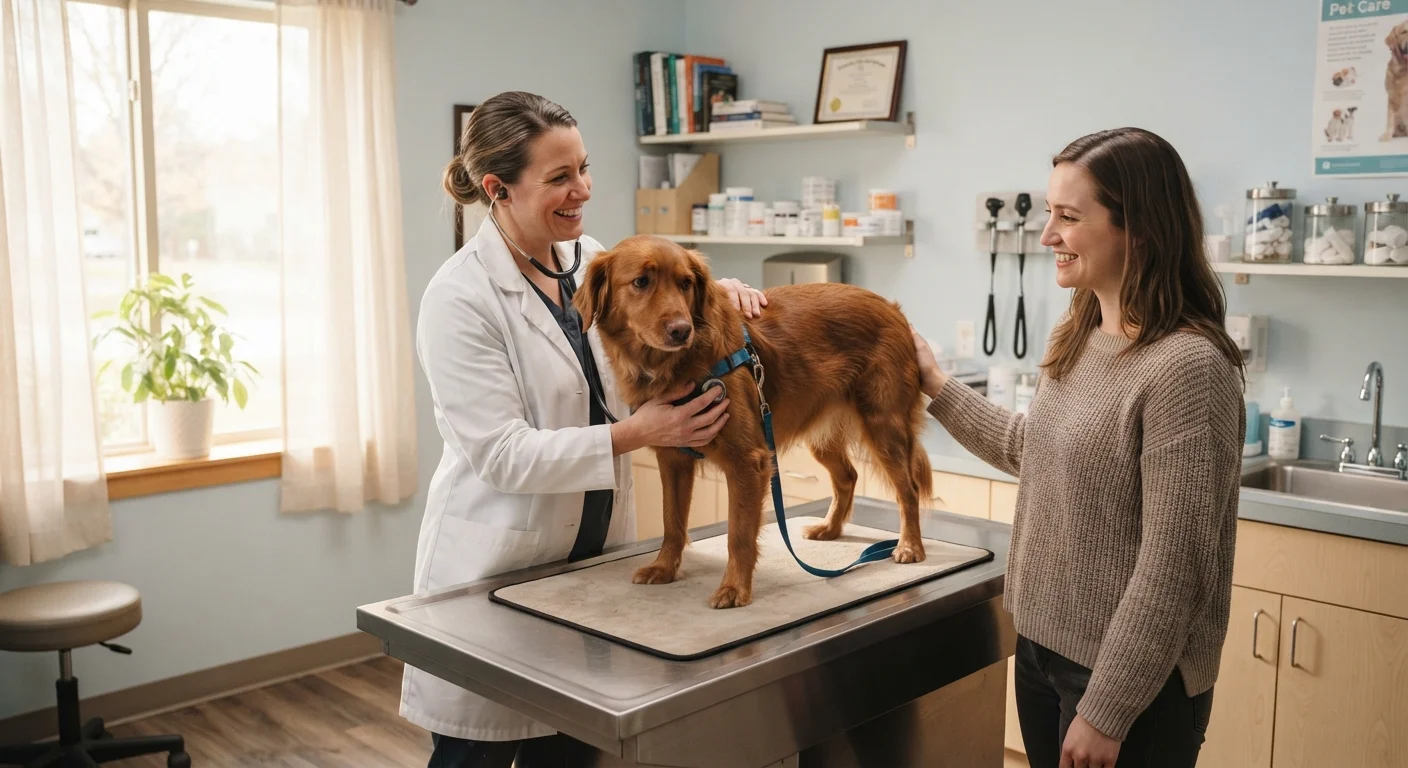
Photo credit: readerspanel.com
In this article
From physical exams to vaccine schedules, here's what happens during a routine canine checkup and why each step matters.
Key Takeaways
- The physical exam is the core of every annual visit, covering eyes, ears, teeth, heart, lungs, abdomen, skin, and joints.
- Vaccine schedules vary by dog age, lifestyle, and local disease risk, so your vet tailors recommendations rather than giving every shot every year.
- Parasite prevention and fecal testing are standard components, even for dogs that appear healthy.
- Vets use body condition scoring to assess weight in a way that goes beyond the scale.
- Bringing a written list of questions and a recent stool sample makes the visit more productive.
The physical exam: what the vet is checking and why
The physical examination is the foundation of every annual visit. Your vet works through the body systematically, and each step has a purpose.
Eyes and ears are checked for discharge, redness, cloudiness, or signs of infection. Early cataracts, glaucoma, and ear mites are easier to manage when caught before they cause discomfort. The mouth gets close attention: dental disease affects the majority of dogs over three years old, and gum inflammation can contribute to systemic health problems over time. Your vet will note tartar buildup, loose teeth, and any soft-tissue abnormalities.
Listening to the heart and lungs with a stethoscope can reveal murmurs or abnormal breathing sounds that owners cannot detect at home. The abdomen is palpated to check organ size and detect tenderness or unusual masses. Skin, coat quality, and lymph nodes are also assessed, since changes in these areas can signal allergies, infection, or other conditions worth investigating.
Joint mobility and muscle condition round out the exam, particularly for larger breeds or older dogs where early arthritis is common. Your vet will also assess your dog's weight using a body condition score, a more precise tool than the scale alone. You can read more about how that process works in our article on how vets assess healthy weight in pets.
Vaccines, parasite control, and diagnostics
Vaccination is one component of the visit, not the whole point of it. Core vaccines protect against diseases like rabies and distemper-parvovirus, but they do not all require annual boosters. Many follow three-year schedules after the initial series, though local law may require annual rabies certificates regardless. Non-core vaccines, such as those for Bordetella (kennel cough), leptospirosis, or Lyme disease, are recommended based on your dog's actual exposure risk rather than given universally.
Parasite screening is a standard part of the visit. A fecal exam checks for intestinal parasites including roundworms, hookworms, and giardia, which are not always visible to the naked eye. Heartworm testing is also routine in most regions, since heartworm disease is spread by mosquitoes and is present in every U.S. state. Your vet will review your current preventive medications and confirm the products and dosing are still appropriate for your dog's weight.
Bloodwork is not automatic for every healthy young adult dog, but your vet may recommend it based on age, breed predispositions, or medications. A basic panel can flag kidney function, liver values, thyroid levels, and blood cell counts before symptoms develop.
Bring a fresh stool sample
Collect a small stool sample within 24 hours of the appointment and store it in a sealed container in the refrigerator. Many clinics provide collection kits on request. Fecal tests require a fresh sample to be accurate, and bringing one saves a return trip.
Making the most of your time with the vet
Fifteen to twenty minutes of exam time goes fast. Writing down questions before the appointment prevents you from forgetting something in the moment. Behavioral changes worth mentioning include increased water intake, changes in appetite, altered sleep, new lumps, or shifts in activity level. Any of these can point your vet toward something worth investigating.
If your dog shows stress at the clinic, paying attention to their body language helps you and the vet work more effectively together. Our article on reading a pet's body language during a vet visit covers the signals that often go unnoticed.
The annual visit is also a good time to discuss upcoming life changes, whether that is travel, boarding, a new pet in the household, or a change in diet. Your vet can adjust recommendations based on what is actually happening in your dog's life, not just their chart history. Building that kind of ongoing communication makes the whole partnership more useful. See our guide on building a trustworthy relationship with your veterinarian for practical ways to do that.
This article is for general informational purposes only and is not a substitute for professional veterinary advice. Always consult a licensed veterinarian for guidance specific to your pet's health and circumstances.
Frequently Asked Questions

Author
Pets & Animals Editorial Team
Pets & Animals Editorial Team is the collective byline for our editorial team and contributor network. Articles published under this byline or an editorial pen name are researched, written, and reviewed according to our editorial standards for clarity, consistency, and independence before publication.
View all articles →