
The Anatomy of a Misleading Product Description
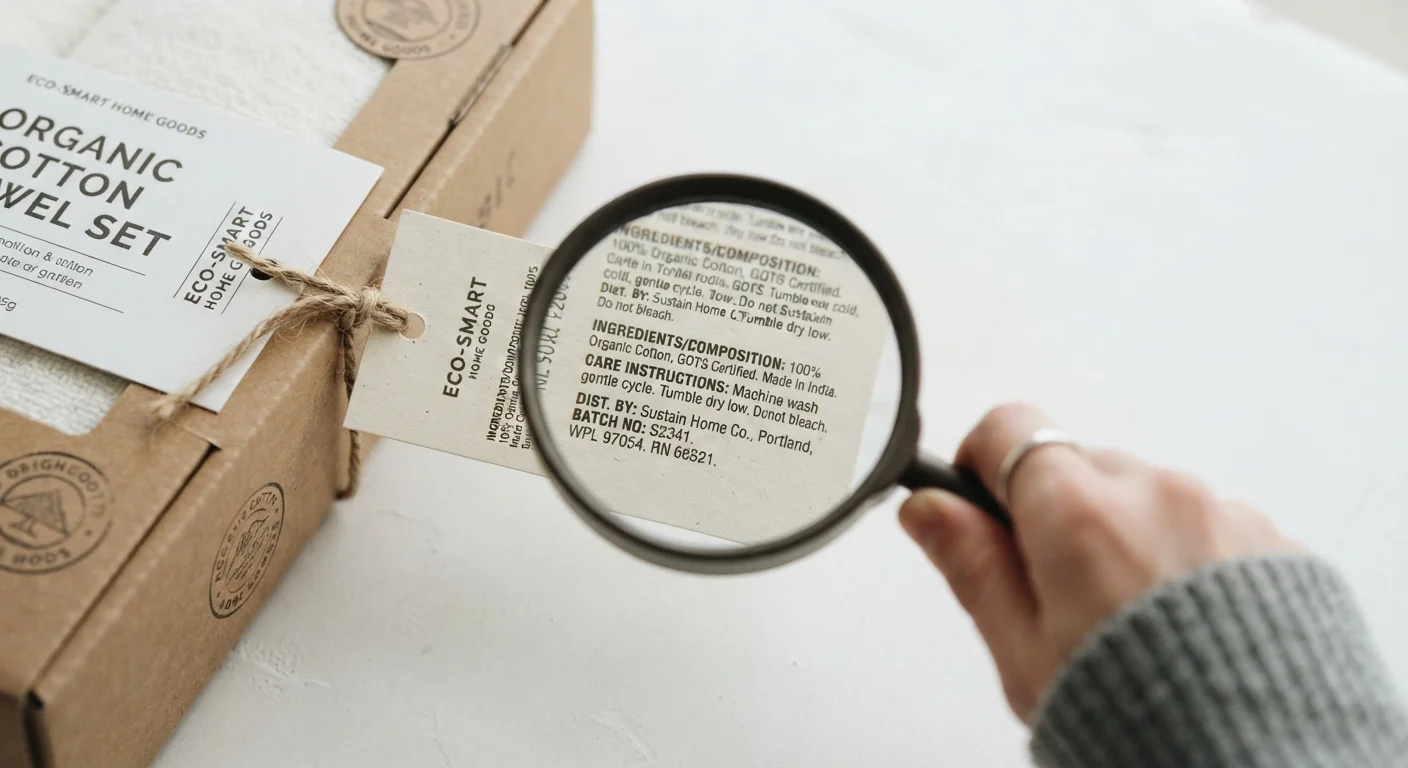
Photo credit: readerspanel.com
In this article
Vague adjectives, omitted specs, and technically-true-but-deceptive claims are common. Learn to spot the language patterns that obscure real product details.
Key Takeaways
- Vague adjectives like 'premium' and 'professional-grade' have no regulated definitions and signal nothing concrete.
- Omitting a key specification is as misleading as stating a false one.
- Technically true claims can still deceive when context is stripped away or comparisons are left undefined.
- Comparing product descriptions against published specification sheets reduces the impact of marketing language.
- The Federal Trade Commission holds that a claim's overall impression matters, not just its literal wording.
Why product descriptions are written the way they are
Product descriptions are sales copy, not technical documentation. The people who write them are measured on conversion, not accuracy. That incentive structure produces a specific category of language: words that generate confidence without committing to anything verifiable.
This is not a new phenomenon. What has changed is scale. Online retail means a single description, written once, reaches millions of shoppers who cannot touch, measure, or examine the item. The gap between impression and reality is easier to hide at that distance.
Understanding this does not require assuming bad faith in every listing. Many descriptions are written by writers who have never held the product. Vague language is often the result of ignorance as much as intent. The practical effect on you is the same either way.
Start with your own checklist
Before reading any product description, write down the three to five specifications you need for your actual use case. Read the listing against that list rather than letting the listing define what matters. This single habit exposes omissions that a straight reading of the copy would never reveal.
The language patterns worth recognizing
Hollow adjectives. Words like 'premium,' 'professional-grade,' 'artisan,' and 'military-inspired' carry no regulatory definition. They function as emotional signals. A product described as 'premium aluminum construction' may use aluminum, but 'premium' is purely subjective. Ask what the underlying specification is: the alloy grade, the wall thickness, the tensile rating.
Selective comparisons. 'Up to 40% faster' and 'lasts twice as long' are incomplete claims. Faster than what, under what conditions? Twice as long as a competing product, or the same product from a previous generation measured under different test conditions? When the comparison term is absent, the statistic is decorative.
Strategic omissions. A description that lists every favorable attribute while leaving out the one that would change your decision is structured deception. A portable speaker described in detail for sound output, frequency range, and Bluetooth version, with no mention of battery life, may be hiding a three-hour runtime. Specification sheets force those numbers into the open.
Technically-true framing. '100% cotton' on a blended product is false. But '100% cotton face' on a product with a synthetic back is technically true. '300-thread-count sheets' can be produced by counting individual threads or by counting each ply of a multi-ply yarn, producing wildly different fabric quality under the same number.
The same pattern appears on food packaging. Terms like 'natural' and 'multigrain' face similar regulatory gaps and invite the same skepticism.
What omission looks like in practice
Omission is harder to detect than false claims because there is no wrong statement to catch. The description is simply incomplete in a direction that benefits the seller.
A luggage listing describes a bag as 'lightweight aluminum frame construction.' The weight listed in the specs is 12 pounds.
A Bluetooth speaker is marketed with detailed frequency response data and six color photos, but no mention of battery life anywhere in the listing.
A supplement is labeled 'supports immune health,' with no clinical citation.
A set of bed sheets lists '1800 thread count' at a price well below comparable products.
The reliable counter is to build a checklist of specifications that matter for your specific use before you read any product listing. Then evaluate the listing against that checklist, not against its own internal logic. If a specification you need is absent, treat that absence as data. User reviews sometimes surface the omitted details, particularly one-star reviews from buyers who felt misled.
Building a practical filter
The goal is not suspicion of every listing. It is a consistent habit of separating what a description asserts from what it proves.
When you encounter a confident adjective, identify what measurable property it is supposed to describe, then look for that measurement elsewhere. When you see a statistic, identify what the comparison term is. When a description is enthusiastic about several features but silent on one you care about, search the manufacturer's spec sheet directly.
First impressions about quality are shaped by marketing cues more than physical evidence. Countering that requires moving from adjectives to numbers, from claims to verifiable specifications.
Regulated label terms carry actual definitions and can anchor your reading of a description. Unregulated terms cannot. Knowing which is which is the most durable skill a shopper can develop.
This article is for general informational and educational purposes only. It does not constitute legal or regulatory advice. For questions about specific product claims or consumer rights, consult the relevant regulatory authority or a qualified legal professional.
Frequently Asked Questions

Author
Smart Shopping Editorial Team
Smart Shopping Editorial Team is the collective byline for our editorial team and contributor network. Articles published under this byline or an editorial pen name are researched, written, and reviewed according to our editorial standards for clarity, consistency, and independence before publication.
View all articles →