
What Product Labels Actually Tell You (And What They Don't)
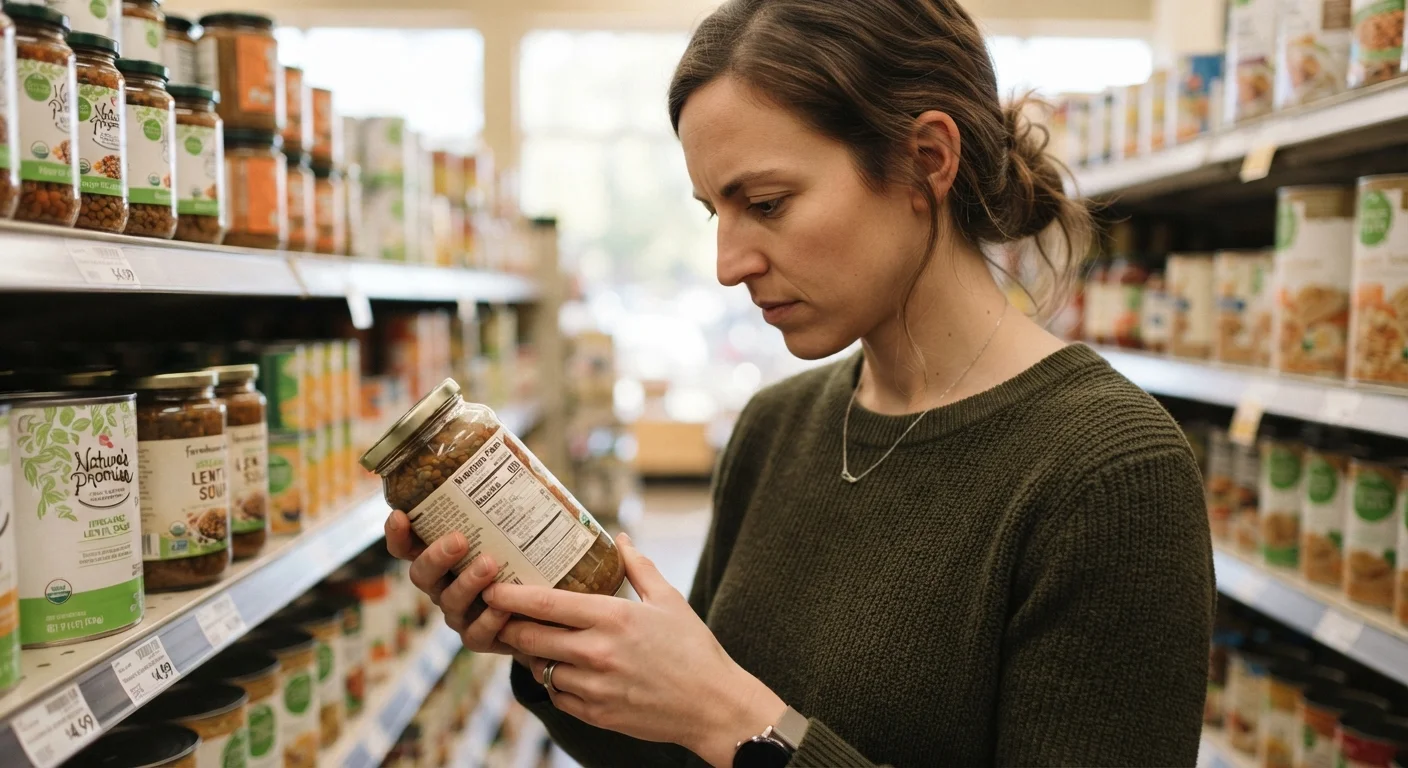
Photo credit: readerspanel.com
In this article
Decode the fine print on product labels. Learn which claims are regulated, which are marketing, and how to read them with confidence.
Key Takeaways
- Regulated claims like 'USDA Organic' and 'Nutrition Facts' must meet defined federal standards.
- Words like 'natural,' 'eco-friendly,' and 'premium' have no universal legal definition.
- Third-party certification marks are generally more reliable than manufacturer self-claims.
- Ingredient lists follow standardized ordering rules that reveal more than marketing copy does.
- Understanding which agency governs a label helps you judge how much weight a claim deserves.
Two types of claims on every label
Every product label mixes two very different kinds of information: regulated content that a manufacturer must get right by law, and discretionary marketing language that no agency pre-approves. Treating them the same is the most common mistake shoppers make.
Regulated content includes things like the Nutrition Facts panel on food, the Drug Facts box on over-the-counter medications, and the EnergyGuide label on appliances. These exist because federal agencies set the format, define the terms, and can take enforcement action when a manufacturer gets them wrong. The numbers and categories mean something specific.
Marketing language is everything else. Phrases like 'clinically inspired,' 'salon quality,' or 'maximum strength' are written by a brand's marketing team, not reviewed by a regulator before the product ships. A manufacturer can call a product 'premium' regardless of what is inside. This does not make every marketing claim false, but it does mean you cannot verify it the same way you would a regulated figure.
The fastest way to orient yourself on any label is to find the regulated section first, read it carefully, and treat the rest as context rather than fact.
What ingredient lists and panels actually show
Ingredient lists on food products follow a standardized rule: ingredients appear in descending order by weight. If sugar appears second on a list, the product contains more sugar by weight than everything below it. That ordering rule is more informative than any front-of-pack claim, because it cannot be reworded for appeal.
The same logic applies to reading the Nutrition Facts panel. Serving size is the number that shapes every other figure on the panel. A package that looks single-serving may declare two or three servings, which means doubling or tripling the sodium, calorie, and sugar figures to get the real per-container amount. The FDA updated serving size rules to better reflect amounts people actually consume, but the panel still requires active reading rather than a quick glance.
For non-food products, ingredient or material disclosure is less standardized. Cosmetics sold in the U.S. must list ingredients under FDA rules, but the term 'fragrance' can legally represent a blend of many undisclosed chemicals under trade-secret exemptions. Cleaning products face different and generally less stringent disclosure requirements. When completeness matters to you, checking a manufacturer's safety data sheet or a third-party database gives more detail than the label alone.
Start with the regulated section
On any product, find the federally required panel first: Nutrition Facts, Drug Facts, or EnergyGuide. These give you a factual baseline before you read anything else. Front-of-pack claims are a prompt to check those panels, not a substitute for them.
See how label data fits into a broader comparison by reading our guide on comparing products using specification sheets.
Claims that sound official but are not
'Natural' is one of the most widely used and least defined words in consumer packaging. The FDA has not established a binding definition for it on food labels. The word 'pure' is similarly unregulated in most contexts. 'Dermatologist tested' means a dermatologist was involved in some form of testing, but it does not specify what was tested, how many subjects participated, or what the results showed.
Environmental claims are a particular area of consumer confusion. Words like 'eco-friendly,' 'sustainable,' and 'green' have no universal legal definitions. The Federal Trade Commission's Green Guides set voluntary standards for environmental marketing claims, but manufacturers are not required to obtain pre-market approval. This is what makes third-party certification marks more reliable: organizations like the USDA National Organic Program or UL set specific, auditable criteria and require ongoing compliance.
The gap between self-made claims and certified claims is significant. A product that says 'made with organic ingredients' is not the same as one bearing the USDA Organic seal, which requires that at least 95 percent of ingredients meet certified organic standards. That difference is worth understanding before assuming two similar-sounding labels are equivalent.
For a fuller look at how misleading language patterns appear in product descriptions beyond the label itself, see the anatomy of a misleading product description.
How to use this in practice
When you pick up a product, start with the regulated section. On food, that is the Nutrition Facts panel and ingredient list. On an appliance, it is the EnergyGuide. On a medication, it is the Drug Facts box. These give you a factual baseline no marketing copy can override.
Next, look for third-party certification marks and verify the issuing organization if the claim matters to your decision. A mark you can trace to a named standard is worth more than one you cannot. Our certifications and safety marks reference guide lists common marks and explains what each one requires.
Finally, treat front-of-pack claims as a prompt to check the back, not as a conclusion. A product labeled 'low sugar' on the front still shows you exact grams on the panel. A product described as 'concentrated' still lists its active ingredient percentage if that information is regulated. When a claim sounds significant but you cannot find a number or a certifying body to back it up, that absence is itself useful information.
If you shop across categories, the same reading habit applies whether you are looking at pet food nutrition labels or household goods. The specific regulated terms differ, but the approach of separating verified content from marketing language stays the same.
Frequently Asked Questions

Author
Smart Shopping Editorial Team
Smart Shopping Editorial Team is the collective byline for our editorial team and contributor network. Articles published under this byline or an editorial pen name are researched, written, and reviewed according to our editorial standards for clarity, consistency, and independence before publication.
View all articles →