
Why So Many Travelers Leave Portugal Wanting to Return
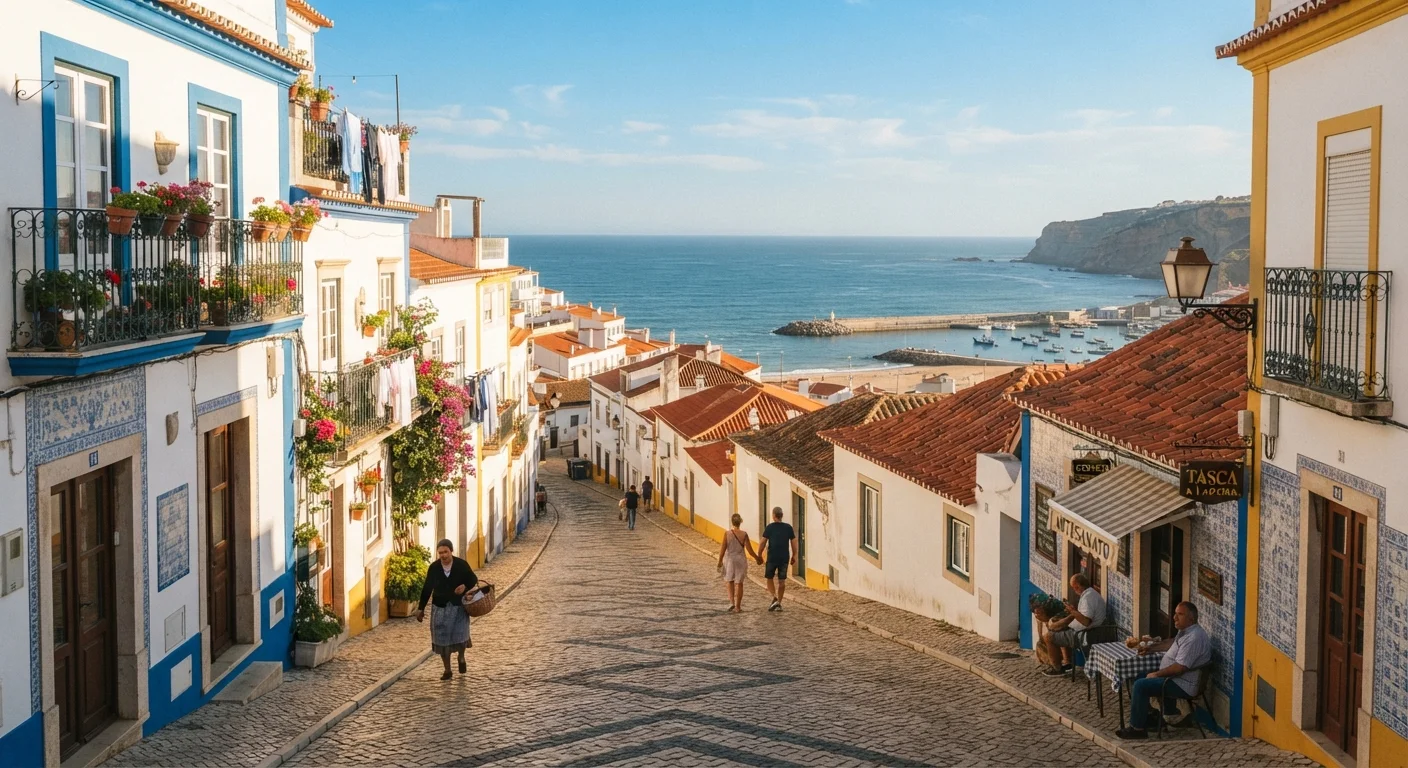
Photo credit: readerspanel.com
In this article
A look at what makes Portugal so enduringly appealing, from its coastal towns and food culture to the unhurried pace of daily life.
Key Takeaways
- Portugal offers distinct regions: Lisbon, Porto, the Alentejo plains, and the Algarve coast each feel noticeably different.
- The food culture is built around ingredients rather than technique, making even simple meals memorable.
- Coastal and inland landscapes sit within short driving distance of each other in most parts of the country.
- Travel costs in Portugal remain lower than in many comparable Western European destinations.
- The country suits both structured sightseeing and open-ended, slower forms of travel.
A country that works at different speeds
Portugal is one of those places where the itinerary you planned and the trip you actually take tend to diverge pleasantly. You plan to see the Manueline architecture of Belem in a morning and end up spending three hours at a cafe watching the river. That quality, the way the country allows you to slow down without feeling like you're missing something, is part of what brings people back.
The geographic range helps. Within a few hours of Lisbon you can be on a wild Atlantic beach, in a walled medieval town, or walking through the rolling cork forests of the Alentejo. Porto sits four hours north by train and feels like a different country: darker stone, steeper hills, a wine culture organized around the Douro Valley. Travelers who think they've seen Portugal after one city usually discover they've seen one version of it.
For anyone drawn to slow travel, Portugal is a practical fit. The infrastructure supports staying in one place for a week rather than moving every two days, and smaller towns have enough daily texture to hold your attention without a packed schedule.
What the food actually is
Portuguese food doesn't have the international profile of French or Italian cooking, which means first-time visitors often arrive with low expectations and leave genuinely surprised. The backbone of the cuisine is salt cod, grilled fish, pork, and olive oil, prepared in ways that are direct rather than fussy. A plate of grilled sardines at a harbor-side restaurant in Setubal or a slow-cooked pork and clam cataplana in the Algarve can be among the better meals you eat in Europe, without the restaurant needing a reservation list or a tasting menu.
Pastry culture runs deep. The pastel de nata, a custard tart with a caramelized top, originated at the Jeronimos Monastery bakery in Belem and has been made there since the 1830s. Versions of it appear across the country, but regional bakeries each have their own take. Wine is inexpensive by Western European standards: Vinho Verde, the young, lightly sparkling white from the north, costs a few euros a glass, and Alentejo reds have earned serious attention from wine writers over the past two decades.
1,794 km
Length of Portugal's Atlantic coastline
According to Portugal's national geographic data, the mainland coastline stretches nearly 1,800 kilometers, giving the country one of the longest Atlantic coastlines in Western Europe.
90 days
Visa-free stay for US travelers in Schengen Area
US citizens can travel within the Schengen Area, which includes Portugal, for up to 90 days in any 180-day period without a visa; travelers should verify current entry requirements with official sources before departure.
9
Islands in the Azores archipelago
The Azores consists of nine islands spread across the mid-Atlantic, each with distinct landscapes and activities, all accessible by domestic flights from Lisbon's Humberto Delgado Airport.
Cities with real neighborhoods
Lisbon gets a lot of attention for its tram lines and miradouros (viewpoints), and those are genuinely worth your time. But the city also has neighborhoods like Mouraria, Intendente, and Alcantara that feel inhabited rather than arranged for tourism. Markets, local hardware stores, and neighborhood cafes sit a short walk from the main tourist corridors.
Porto operates at a smaller scale and rewards wandering. The Ribeira waterfront is well-documented, but the Bonfim and Cedofeita neighborhoods have galleries, independent restaurants, and the sort of daily street life that doesn't disappear in the evening. The port wine lodges across the river in Vila Nova de Gaia can be toured, though the experience ranges from rushed and commercial to genuinely informative depending on which one you choose.
If you're deciding how much to plan in advance versus leaving room to explore, Portugal rewards flexibility. A flexible itinerary tends to serve you better here than a fully locked schedule, particularly outside the summer peak when fewer things book out weeks in advance.
The coast beyond the Algarve
The Algarve gets most of the coastal attention, and its limestone cliffs and clear water are not overstated. But the Portuguese coast extends well beyond the south. The Silver Coast (Costa de Prata) north of Lisbon has wide Atlantic beaches with serious surf and far smaller crowds than the Algarve in July and August. The Comporta area south of Setubal has long stretches of pine-backed beach that remain relatively undeveloped.
The Azores, an autonomous Portuguese archipelago about 900 miles west of Lisbon in the Atlantic, represent something different again: volcanic lakes, whale watching routes, and a landscape that looks nothing like mainland Portugal. Flights from Lisbon take about two hours. The islands suit travelers who want nature-focused travel over city sightseeing.
Verifying current entry requirements, transportation schedules, and any travel advisories with official government sources before you go is always worth the time, regardless of how straightforward a destination looks on paper.
Frequently Asked Questions

Author
Travel & Adventure Editorial Team
Travel & Adventure Editorial Team is the collective byline for our editorial team and contributor network. Articles published under this byline or an editorial pen name are researched, written, and reviewed according to our editorial standards for clarity, consistency, and independence before publication.
View all articles →