
Tire Pressure: The Maintenance Step Most Drivers Get Wrong
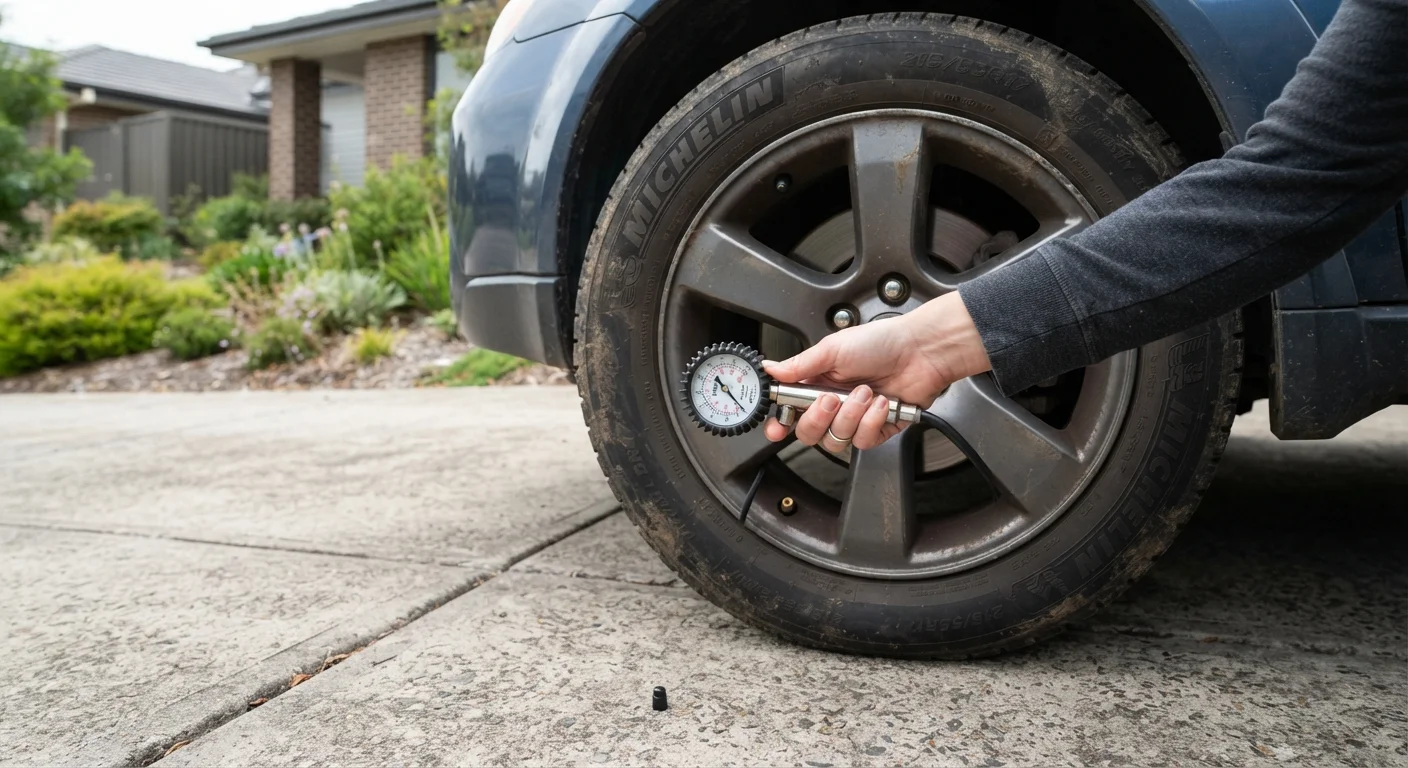
Photo credit: readerspanel.com
In this article
Running tires at the wrong pressure affects safety, fuel economy, and tread life. Here's what drivers consistently misunderstand about PSI.
Key Takeaways
- The correct PSI is printed on the driver's door jamb, not the tire sidewall.
- Tire pressure drops roughly 1 PSI for every 10-degree Fahrenheit temperature decrease.
- Both overinflation and underinflation accelerate tread wear and reduce traction.
- TPMS warning lights indicate a significant pressure loss, not a minor fluctuation.
- Checking pressure monthly, when tires are cold, gives the most accurate reading.
Why tire pressure is so frequently mismanaged
Tire pressure is one of the cheapest maintenance tasks a driver can perform, yet it is one of the most consistently neglected. The main reason is that a tire can be 10 or even 15 PSI below the recommended level and still look visually normal. Without a gauge, there is no reliable way to tell. Most drivers therefore assume their tires are fine until a warning light appears or a blowout forces the issue.
There is also widespread confusion about where the correct pressure figure comes from. Many drivers read the number molded into the tire sidewall, which is actually the maximum pressure the tire can safely hold, not the target pressure for everyday driving. Using that figure typically means overinflating the tire significantly.
Getting this habit right matters beyond convenience. Consistent pressure management affects braking distance, cornering stability, fuel economy, and how long a set of tires lasts. Drivers who want to manage vehicle ownership costs accurately will find tire pressure is one of the highest-leverage inputs they control.
Common tire pressure mistakes and how to avoid them
The following mistakes appear across all vehicle types and driver experience levels. Each one is correctable with a basic gauge and two minutes of attention.
Using the tire sidewall number as the target PSI.
Why it happens: The sidewall displays the tire's maximum rated pressure, and many drivers assume that is the recommended operating pressure.
Ignoring seasonal pressure changes, especially in winter.
Why it happens: Drivers set pressure once and assume it stays constant, not realizing that air contracts as temperature drops.
Relying solely on the TPMS light to signal a pressure problem.
Why it happens: Modern vehicles with a Tire Pressure Monitoring System (TPMS) give drivers the impression that any dangerous pressure drop will trigger a warning.
Checking pressure immediately after driving, when tires are hot.
Why it happens: Many drivers stop at a gas station and check pressure right after arriving, not realizing that heat from driving raises PSI readings.
Setting all four tires to the same pressure without checking the vehicle placard.
Why it happens: Drivers assume a single number applies to every tire on their vehicle, which is true for some cars but not all.
Drivers dealing with persistent uneven wear after correcting pressure should also consult what uneven tire wear patterns indicate, since alignment and balance problems can produce similar symptoms. Rotation, balancing, and alignment are separate jobs that serve different purposes, as covered in this overview of tire rotation, balancing, and alignment differences.
Pressure and traction in low-grip conditions
Tire pressure has a direct effect on contact patch size, the area of rubber actually touching the road at any moment. An underinflated tire bulges outward and can create uneven contact, while an overinflated tire rides on a smaller, stiffer patch. Both conditions reduce the predictable grip that safe driving depends on.
In wet weather or on winter roads, this margin matters more. Drivers who want to understand the physics behind traction loss will find useful context in this article on traction loss on wet roads, ice, and snow. Proper inflation does not replace winter tires or careful speed management, but it removes one avoidable variable from an already-reduced-grip situation.
TPMS is not a substitute for regular checks
A TPMS warning light means pressure has already dropped significantly, 25% or more below the recommended level. At that point, handling and braking may already be compromised. Waiting for the light before checking pressure means accepting a recurring safety deficit. A handheld gauge used monthly costs nothing significant and catches problems the sensor will not flag until they are serious.
For a broader picture of how neglected maintenance turns small costs into larger ones, see routine maintenance that prevents costlier repairs.

Author
Automotive Life Editorial Team
Automotive Life Editorial Team is the collective byline for our editorial team and contributor network. Articles published under this byline or an editorial pen name are researched, written, and reviewed according to our editorial standards for clarity, consistency, and independence before publication.
View all articles →