
Driving With Passengers: How Social Dynamics Inside the Car Affect Safety
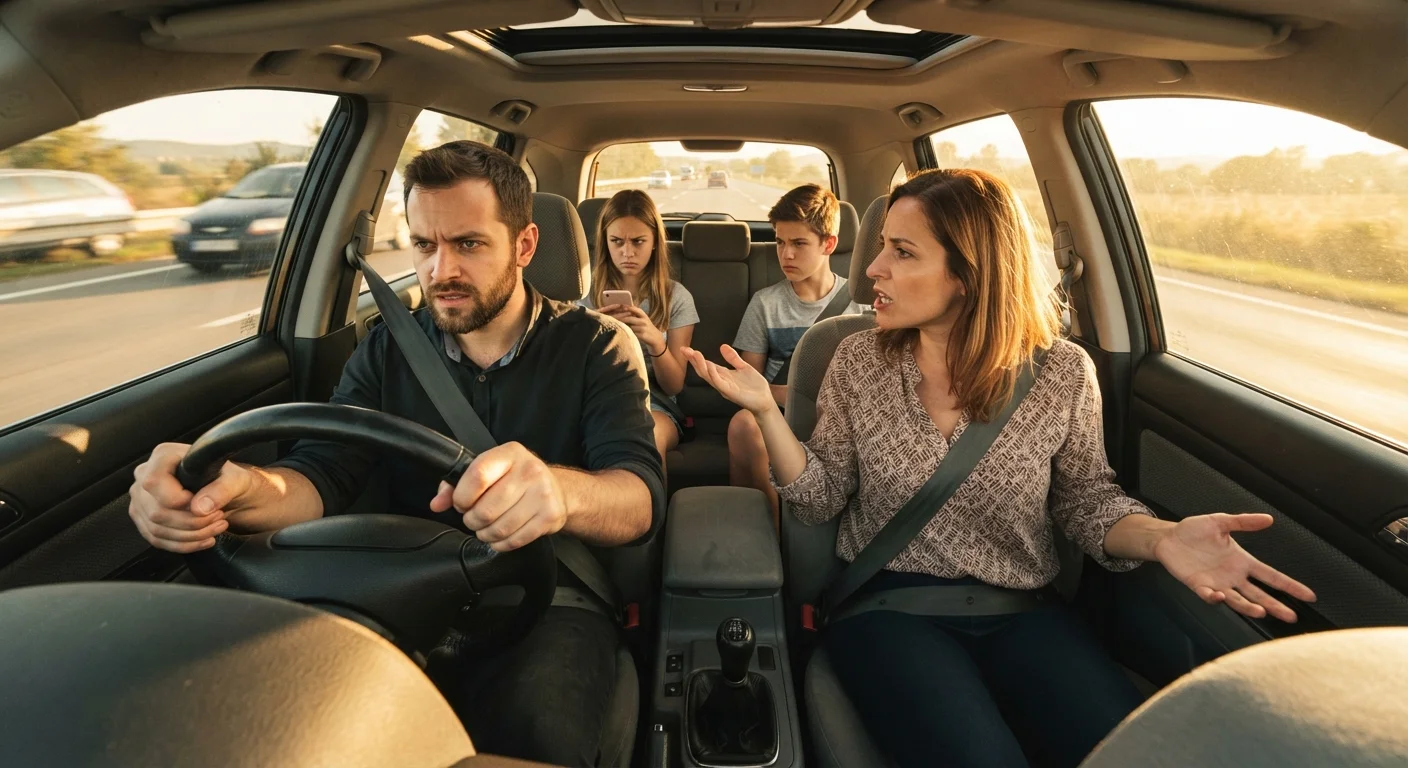
Photo credit: readerspanel.com
In this article
Passengers change driver behavior in measurable ways, sometimes for the worse. Understand the social pressures that affect focus and speed choices.
Key Takeaways
- Teen drivers face sharply higher crash risk with each additional peer passenger in the vehicle.
- Adult passengers often have a calming or corrective effect, but animated conversation still diverts attention.
- Drivers tend to speed up, take shorter following distances, and accept riskier gaps when passengers are present.
- Social pressure, real or imagined, shapes speed choices even when no one says a word.
- Setting ground rules before a trip is one of the most practical ways to manage in-car social dynamics.
Why passengers change driver behavior
A driver alone on the road tends to rely on personal judgment about speed, following distance, and when to change lanes. Add passengers, and a second set of forces enters the equation: perceived expectations, conversation demands, and the low-level awareness of being observed. These social forces alter decisions, sometimes subtly, sometimes significantly.
The change is not always conscious. A driver who would normally ease off the gas on an unfamiliar exit ramp may hold speed longer if friends are talking loudly in the back seat. The distraction is not malicious; it is social. Attention that belongs on the road gets borrowed by the conversation happening two feet away.
This dynamic shows up in crash data. The AAA Foundation for Traffic Safety has documented that distraction from passengers inside the vehicle is among the leading contributors to teen driver crashes, and it is a factor in adult crashes as well. In-car conversation ranks alongside phone use as a meaningful distraction source, even though it rarely gets the same attention.
The numbers behind teen passenger risk
The risk pattern for young drivers is steep and well-documented. When a licensed teen driver carries one peer passenger, crash risk rises relative to driving alone. With two teen passengers, it rises further. With three or more, the increase is substantial enough that many states address it directly through graduated driver licensing laws that restrict passenger numbers for new license holders.
The mechanism is not simply noise or distraction volume. Peer passengers influence the social identity of the driver. Being seen as cautious can feel less appealing than being seen as confident, and that pressure translates into faster speeds and shorter headways. New drivers already lack the pattern recognition that experience builds, and peer pressure narrows the mental bandwidth they do have.
3x
Crash risk increase for teen drivers with multiple peer passengers
According to the AAA Foundation for Traffic Safety, carrying three or more teen passengers multiplies crash risk for young drivers compared to driving alone.
58%
Share of teen crash deaths involving distraction or passenger influence
Data from the CDC indicates that a majority of fatal crashes involving teen drivers include factors such as distraction, speed, and social influence from passengers.
Adult passengers in the same vehicle sometimes counteract this. A parent or older adult who speaks calmly and avoids amplifying in-car excitement tends to lower risk rather than raise it. The direction of the passenger effect depends heavily on who is in the car.
How adults are affected too
Adult drivers are not immune. Research on driving behavior consistently shows that adults speed more, accept shorter gaps in traffic, and brake later when carrying passengers than when driving alone. The effect size is smaller than for teens, but it is present.
Some of this reflects social performance. A driver who wants to seem competent or unhurried may accelerate more smoothly, which can mask the fact that the overall speed is higher than it would be solo. Conversation itself pulls visual attention toward the speaker for brief moments, which at highway speeds covers meaningful ground.
Emotional passengers add another layer. An upset passenger, an argument, or an excited group returning from an event all raise arousal levels in the car. Elevated arousal tends to produce faster reactions in simple tasks but worse judgment in complex ones, and highway driving falls firmly in the complex category. Aggressive driving patterns can emerge or escalate when emotional tension in the car is high.
Practical steps for managing in-car dynamics
The most effective approach is to treat passenger management as part of driving preparation, not as a reaction to problems once they arise.
- Before a long trip or a route with complex segments, tell passengers plainly that you may need quiet during merges or when navigating construction zones. Most people comply when asked directly.
- Keep music at a level that does not require raising voices to hold conversation. Loud audio raises overall arousal and competes with auditory cues from traffic.
- If a conversation becomes heated or absorbing, it is reasonable to say you need to pause it until you reach a less demanding stretch of road. Stopping distance grows fast with speed, and a few seconds of divided attention at 65 mph covers a lot of pavement.
- Passengers traveling with a new driver can help by staying calm, avoiding sudden loud reactions, and watching the road themselves. A second pair of eyes is a genuine safety asset when used well.
Drivers who are tired face compounding risk when passengers add social stimulation on top of fatigue. Tired drivers already underestimate how impaired their judgment is, and a lively car interior does not reliably offset that impairment.
The goal is not to ban conversation or make the car feel tense. It is to keep the social environment from borrowing attention the road needs.
Frequently Asked Questions

Author
Automotive Life Editorial Team
Automotive Life Editorial Team is the collective byline for our editorial team and contributor network. Articles published under this byline or an editorial pen name are researched, written, and reviewed according to our editorial standards for clarity, consistency, and independence before publication.
View all articles →