
Before Every Road Trip: A Pre-Drive Safety Walkthrough
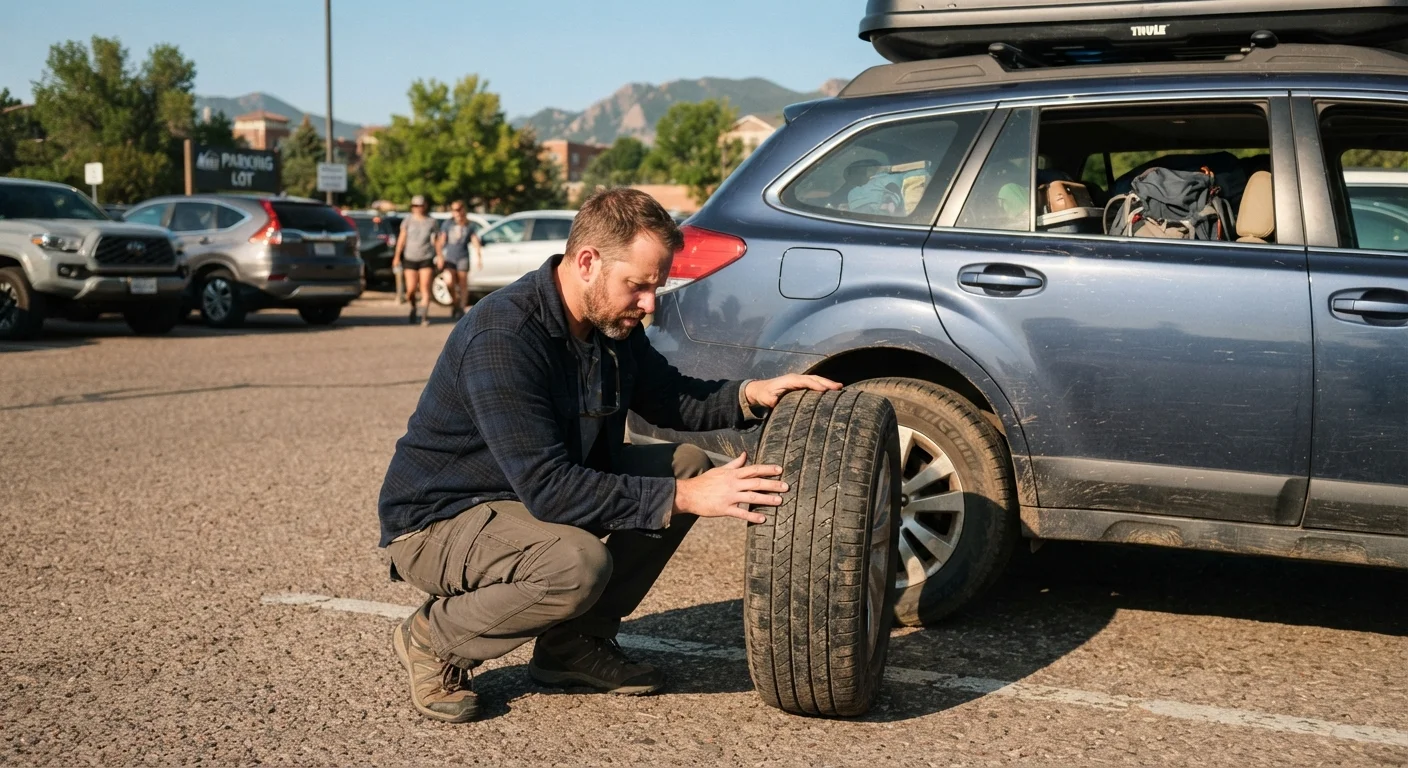
Photo credit: readerspanel.com
In this article
A practical checklist covering tires, lights, fluids, mirrors, and more so you roll out confident your vehicle is ready for the miles ahead.
Key Takeaways
- Tire pressure and tread condition are the two checks most likely to prevent a breakdown or accident.
- Fluid levels should be verified the evening before departure, not in the rush of morning.
- Every exterior light, including brake lights, needs a second person or a wall reflection to confirm.
- A glove-box document audit takes two minutes and can save hours at a traffic stop or accident scene.
- Your emergency kit is only useful if it is actually in the vehicle before you leave home.
Why a walkaround matters before any long drive
Most vehicle problems that strand drivers on the highway did not appear suddenly. Low tire pressure, a dim brake light, or a coolant level hovering near the minimum line were all detectable before the trip began. The walkaround checklist below is designed to surface those issues in your driveway, not on the side of a freeway.
If you are newer to vehicle ownership, the introduction to keeping a vehicle healthy covers the underlying maintenance context behind many of these checks. If you already keep up with shop visits, the habits you can do between service visits complement this checklist well.
Work through this list the evening before a trip when possible. Morning departures are rushed, and some checks (fluid top-offs, tire inflation) benefit from a cooled engine and a calm pace.
Tires
Fluids
Lights
Visibility and controls
Documents and emergency gear
Tools and supplies to have on hand
Most of these checks require nothing more than your eyes and a few inexpensive items you should already carry. The list below covers what is genuinely useful for the walkaround itself, plus what belongs in the vehicle before you leave.
Tire pressure gauge
Measures PSI in each tire so you can inflate to the spec on the door jamb placard.
Penny (or tread depth gauge)
Gives a quick, no-tool check of whether tread depth is above the safe minimum.
Flashlight or phone torch
Lets you inspect underneath the vehicle, into wheel wells, and inside the engine bay in low light.
Microfiber cloth
Cleans the interior windshield surface and mirrors to reduce glare before departure.
Portable jump-start pack
Lets you restart a dead battery without needing another vehicle nearby.
Basic first aid kit
Covers minor injuries until professional help is available; required content of a proper emergency kit.
For weather-specific preparation, particularly if rain is in the forecast, the guide to driving in heavy rain covers what to verify about wipers and visibility before and during a downpour.
Understanding what the checklist covers and what it does not
This walkaround addresses pre-trip condition checks a driver can perform without tools or mechanical training. It does not replace a professional inspection. If your vehicle is due for scheduled maintenance or you notice anything unusual during the walkthrough (a vibration, a warning light, a fluid that looks discolored), have a qualified mechanic evaluate it before the trip.
Do not ignore dashboard warning lights
If any warning light is active when you start the vehicle, do not assume it will resolve on its own during the drive. A check engine light, tire pressure monitor, or oil pressure warning all indicate a condition a mechanic should assess before a long trip. Driving hundreds of miles with an undiagnosed fault can turn a minor repair into a major one, or leave you stranded far from home.
The multi-point inspection overview explains what a shop evaluates on systems this walkaround cannot reach, such as brake pad thickness, suspension wear, and belt condition.
If you are traveling with pets, complete the vehicle check first, then work through the pet travel preparation steps separately. Combining the two lists in one pass often means both get done partially.
Tracking the cost of road trips over time, including fuel, tolls, and wear-related maintenance, fits into the broader annual car ownership cost audit.

Author
Automotive Life Editorial Team
Automotive Life Editorial Team is the collective byline for our editorial team and contributor network. Articles published under this byline or an editorial pen name are researched, written, and reviewed according to our editorial standards for clarity, consistency, and independence before publication.
View all articles →