
Traveling With Pets: What Actually Makes the Journey Smoother
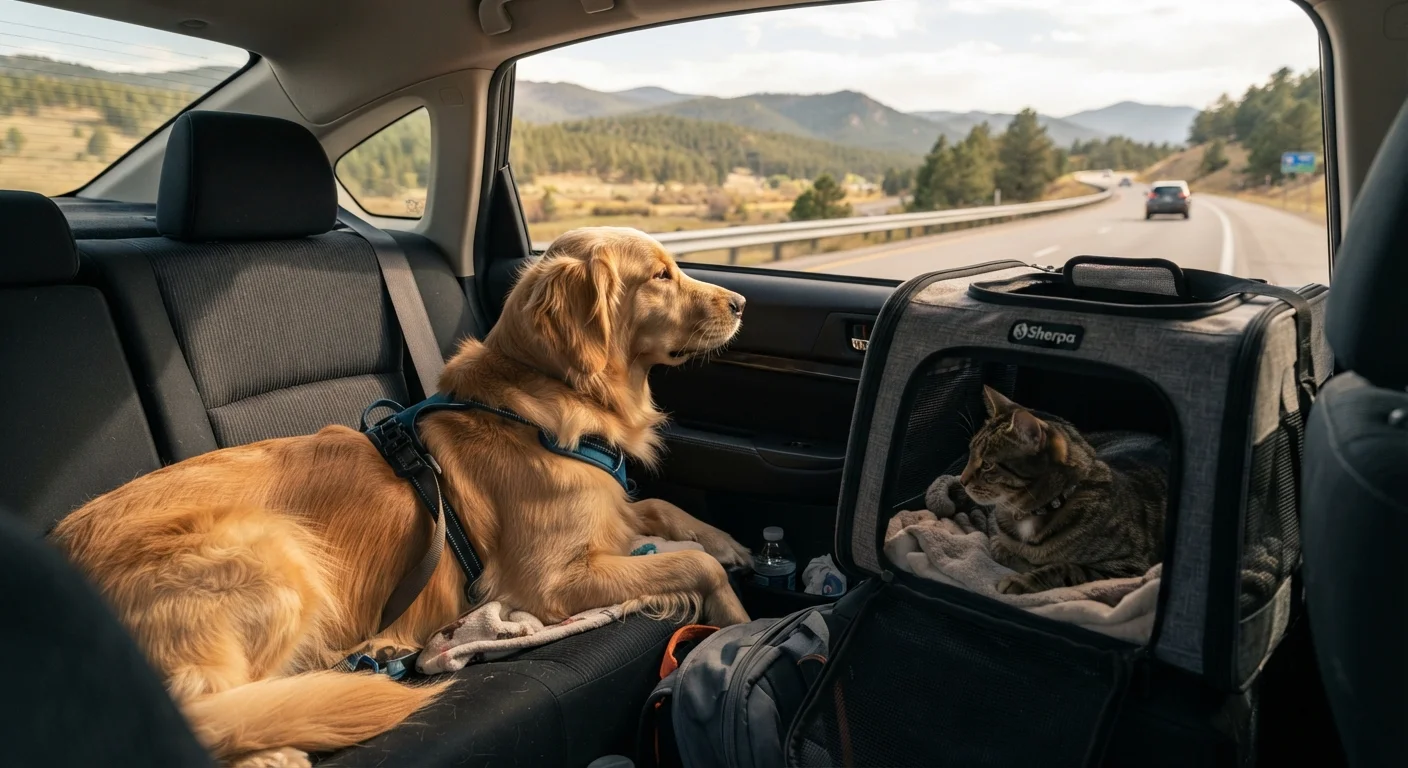
Photo credit: readerspanel.com
In this article
Road trips, hotels, and new environments can stress even calm animals. Here's how thoughtful prep makes travel less disruptive for both of you.
Key Takeaways
- Vet clearance and up-to-date records are the foundation of any pet travel plan.
- Animals adapt better to travel when they have practiced spending time in their carrier or crate before the trip.
- Routine cues like familiar bedding and consistent feeding times reduce stress in new environments.
- Hotel and rental policies vary widely, so confirming pet rules before booking prevents costly surprises.
- Watch for stress signals during the journey and adjust pace or stops accordingly.
Why prep matters more than the trip itself
Most travel friction with pets does not happen at the destination. It happens in the hours before departure when an unprepared animal faces a crate for the first time, or at a rest stop when a dog has not been acclimated to leash behavior outside its home territory. The checklist below addresses those gaps systematically.
For context on how animals signal discomfort, see how to recognize stress signs across species before you travel so you know what to watch for in real time.
Veterinary and documentation prep
Carrier and vehicle setup
Supplies and food planning
Accommodation and logistics
What to carry and confirm
Documentation and supplies often feel like afterthoughts until something goes wrong. A missing vaccine record at a state border or a forgotten prescription refill mid-trip creates real problems. Work through this section at least a week before departure so there is time to obtain anything missing.
Health certificates have strict timing windows
Many airlines and some state or international borders require a health certificate issued within 10 days of travel. If your certificate is dated outside that window, it may be rejected at check-in or the border. Confirm the exact timing requirement for your specific route and book your vet appointment accordingly. Do not rely on a certificate from a routine visit months earlier.
For a broader supply framework that also covers emergencies, the emergency preparedness checklist for pet owners pairs well with travel planning.
On the road and at the destination
Even a well-prepared pet may need adjustment time once travel begins. Dogs and cats that handle car rides calmly at home can show unfamiliar behaviors in longer or noisier conditions. Build in buffer time and keep your expectations flexible.
Never leave a pet in a parked vehicle
Temperatures inside a parked car can rise to dangerous levels within minutes, even on mild days and even with windows cracked. This applies in both warm and cold weather, since extreme cold is also dangerous for many animals. If you need to stop somewhere your pet cannot enter, arrange for someone to stay with the vehicle or use drive-through options.
Senior pets and animals with chronic conditions deserve extra attention when routines shift. The guidance on adapting daily life for aging pets applies directly to travel disruption. Younger pets in new environments also benefit from the seasonal pet care routine adjustments framework, since temperature and activity levels can shift significantly by location.
This article is for general informational purposes only and is not veterinary advice. Consult a licensed veterinarian before traveling with a pet that has known health conditions or anxiety.

Author
Pets & Animals Editorial Team
Pets & Animals Editorial Team is the collective byline for our editorial team and contributor network. Articles published under this byline or an editorial pen name are researched, written, and reviewed according to our editorial standards for clarity, consistency, and independence before publication.
View all articles →